In the realm of industrial automation and control systems, proximity sensors are indispensable components for non-contact object detection. Among the various configurations, the Normally Closed (NC) PNP type presents a specific and crucial operational logic that is essential for many safety and control applications. This article delves into the principles, wiring, and practical use cases of Normally Closed PNP proximity sensors.
Fundamentally, a proximity sensor detects the presence or absence of an object within its sensing range without physical contact, typically using electromagnetic, capacitive, or inductive principles. Inductive sensors, common for metal detection, are a frequent host for the NC PNP configuration. The terminology "Normally Closed" and "PNP" describes two distinct aspects: the switch's resting state and its output transistor type.
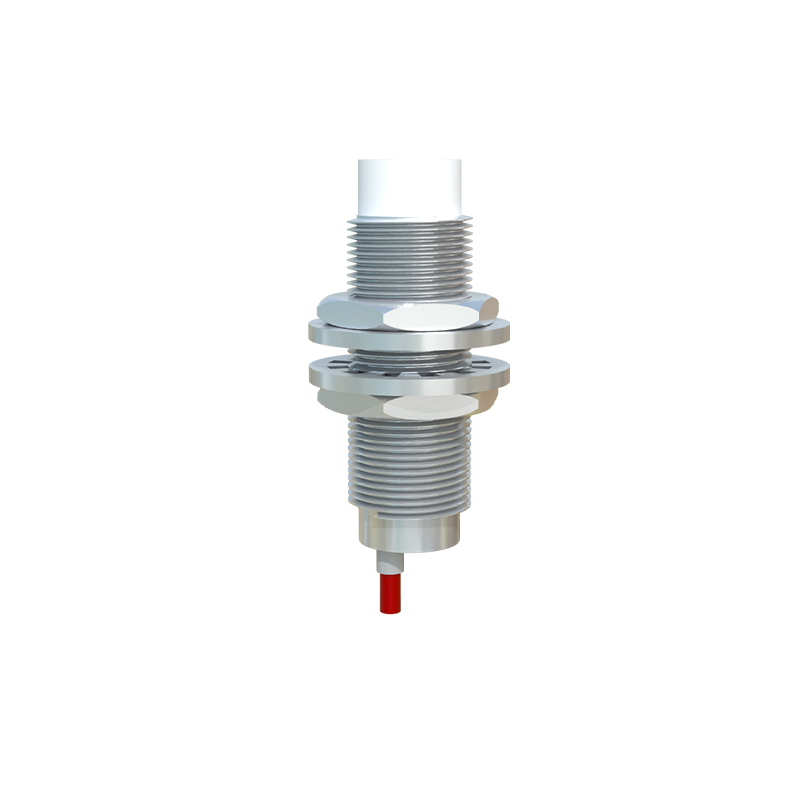
First, "Normally Closed" refers to the electrical state of the sensor's output when no target is present in the sensing field. In an NC sensor, the output circuit is closed (conducting) in its normal, non-actuated state. When a target enters the sensing range, the output circuit opens (stops conducting). This is the inverse of a Normally Open (NO) sensor. This behavior is critical for fail-safe designs. If the sensor wiring is cut or the sensor fails, the circuit opens, which can be configured to trigger a machine shutdown or an alarm, enhancing system safety.
Second, "PNP" specifies the type of transistor used in the sensor's solid-state output. A PNP sensor switches the positive voltage supply line. In a standard three-wire DC sensor, you will have connections for Brown (positive supply, typically +24V DC), Blue (common negative or 0V), and Black (the switched output signal wire). In a PNP configuration, when the sensor is activated (for an NO type) or in its normal state (for our discussed NC type), the Black wire is connected internally to the positive supply (Brown wire). The load (e.g., a PLC input, relay, or indicator light) is connected between the Black output wire and the negative supply (Blue wire). Therefore, a PNP sensor sources current to the load.
Combining these traits, a Normally Closed PNP proximity sensor operates as follows: With no target present, its output transistor is active, connecting the Black wire to the positive supply (+24V). The output is "ON," and current flows from the sensor through the load to ground. When a target enters the sensing range, the output transistor turns off, the connection to positive is broken, and the output voltage drops to near 0V. The output is "OFF."
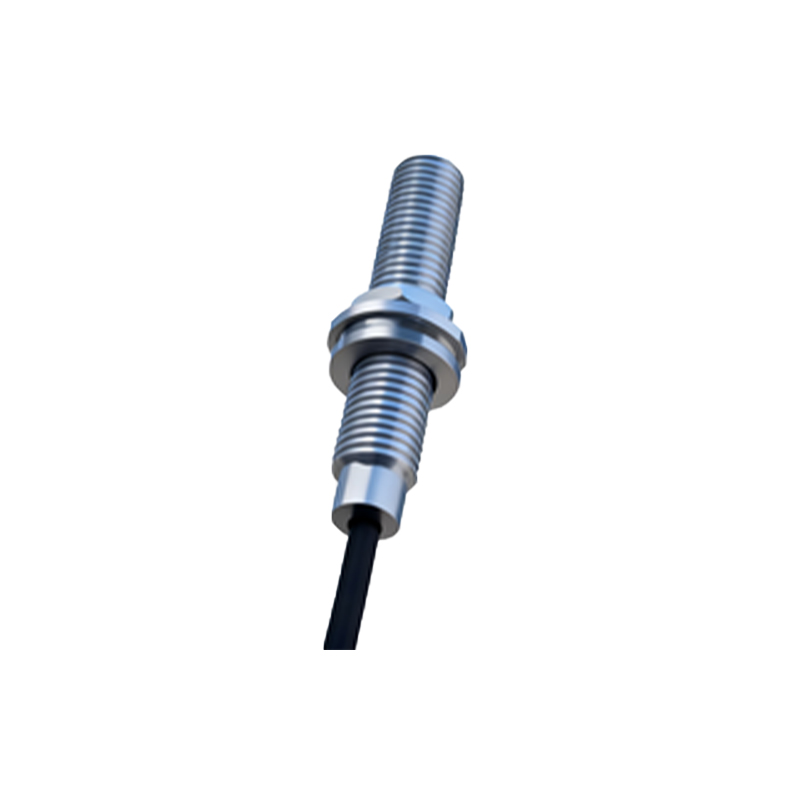
Wiring a Normally Closed PNP sensor requires attention. The Brown wire connects to +24V DC. The Blue wire connects to 0V DC (common). The Black wire is connected to one side of the load. The other side of the load is then connected to 0V DC. It is vital to verify the sensor's datasheet for voltage ranges and load current limits to prevent damage. A common diagnostic tool is the sensor's built-in LED, which usually indicates power and output status. For an NC sensor, the LED is often lit when no target is detected (output active) and turns off when a target is sensed.
The application of Normally Closed PNP sensors is widespread in scenarios where a safety-oriented "de-energize to trip" logic is preferred. A classic example is in safety guarding or door monitoring. A sensor can be placed on a protective guard door. When the door is properly closed (no target near the sensor), the NC output is active, allowing the machine to operate. If the door is opened (a target, like the door itself, moves away from the sensor), the output turns off, signaling the control system to halt the machine immediately. This fail-safe approach ensures that a wiring fault or power loss to the sensor results in a safe machine stop.
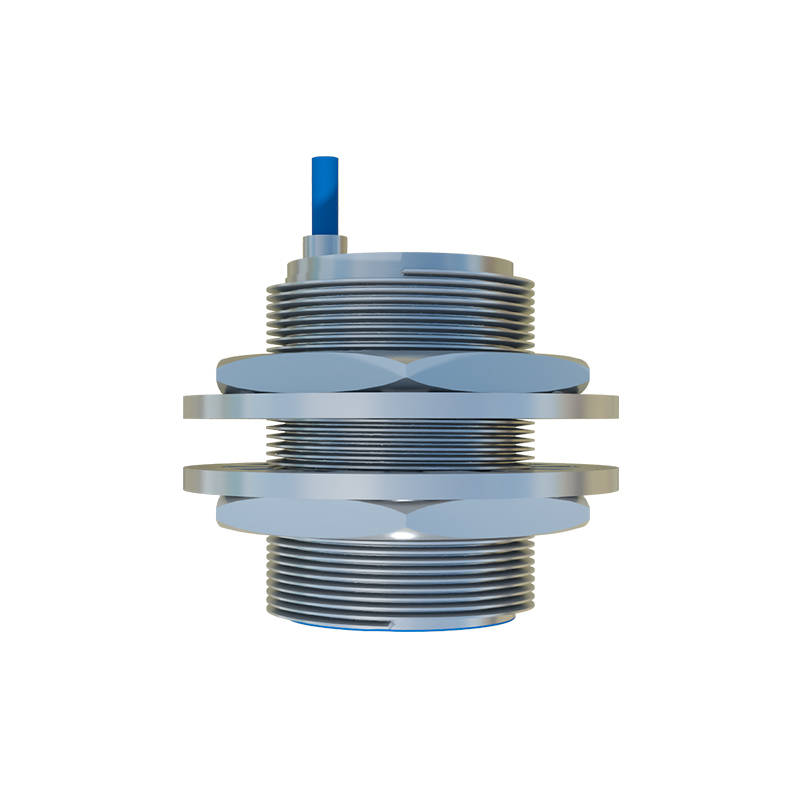
Other applications include detecting the absence of material in a feed chute, where an empty chute (target absent) keeps the output on to trigger a refill sequence, and the output turns off when material is present. They are also used in position verification where the normal state of a mechanism should maintain a circuit closure. In conveyor systems, an NC sensor can monitor for jams; if an object remains detected for too long (output off), it signals a jam.
Selecting between NO and NC, and between PNP and NPN, depends on the control system's logic (positive or negative logic) and safety requirements. PLCs from different regions often have preferences; PNP (sourcing) is common in Europe and many areas, while NPN (sinking) is prevalent in some Asian markets. The choice of NC provides a logical high signal (24V) during normal, non-actuated conditions, which can