In the industrial automation and process control sectors, laser water level sensors have become a pivotal technology for precise, non-contact measurement. Understanding the pricing structure of these devices is crucial for engineers, procurement specialists, and project managers making informed purchasing decisions. The cost of a laser water level sensor is not a single figure but a spectrum influenced by a confluence of technical specifications, performance requirements, and market dynamics.
At its core, the price is primarily dictated by the sensor's performance capabilities. Key specifications include measurement range, accuracy, and response time. A standard sensor with a range of 0-10 meters and an accuracy of ±1 mm will occupy a lower price tier, typically starting from $500 to $1,500 USD. In contrast, high-performance models designed for extreme ranges (e.g., 0-100 meters) or demanding applications requiring sub-millimeter accuracy (±0.1 mm) can command prices from $2,500 to $8,000 or more. The laser class and type also significantly impact cost. Class 2 lasers are common for shorter ranges and are more economical, while Class 3B or Class 4 lasers, necessary for long-range or measurements through steam or light interference, incorporate more expensive components and safety features, elevating the price.
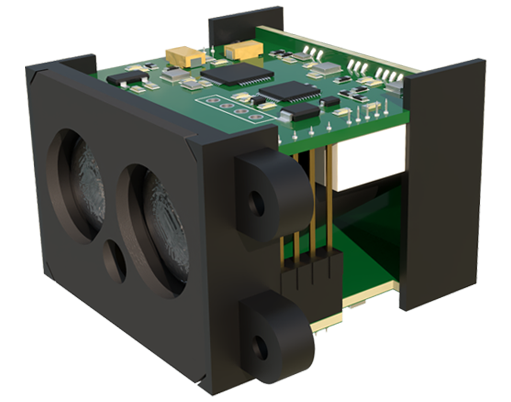
The complexity of the operating environment is another major cost driver. Sensors built with robust housings from materials like stainless steel (e.g., IP67, IP69K ratings) for use in hazardous, corrosive, or hygienic environments (food & beverage, chemical processing) carry a premium over basic polycarbonate-housed units for clean, indoor settings. Intrinsic safety certifications for use in explosive atmospheres (ATEX, IECEx) can add 20% to 40% to the base cost due to rigorous testing and specialized design.
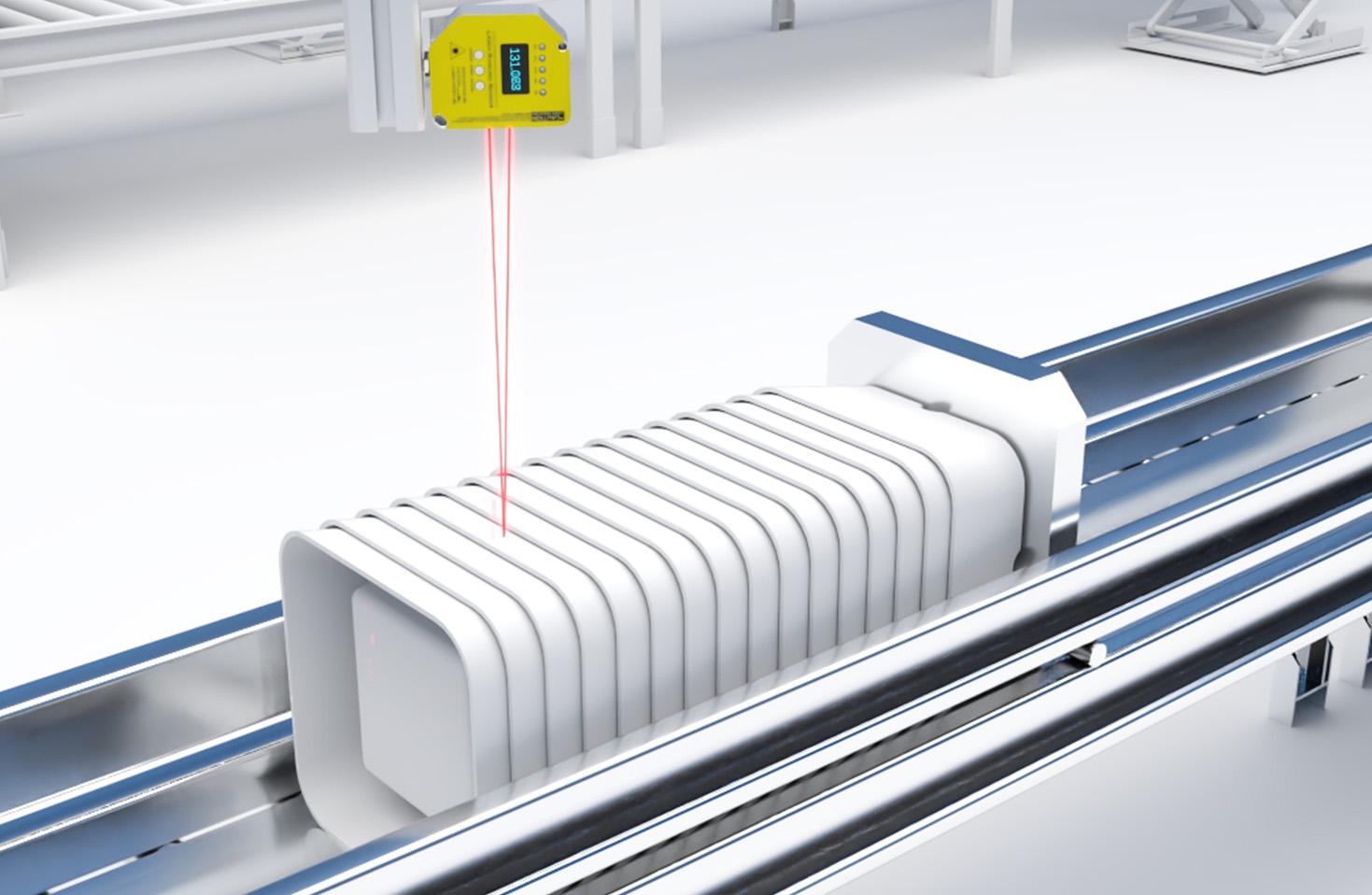
Furthermore, the level of integrated intelligence and connectivity shapes the price. Basic analog output (4-20mA) models are the most affordable. Sensors featuring digital interfaces (RS-485, Modbus, PROFIBUS), advanced onboard diagnostics, data logging, and Ethernet or wireless capabilities (IO-Link, Wi-Fi) offer greater integration into Industry 4.0 systems but at a higher initial investment. The brand reputation and origin of manufacture also play a role. Established European, North American, or Japanese brands often price their sensors higher, reflecting extensive R&D, quality assurance, and global support networks. Competitive alternatives from Asian manufacturers may offer similar specifications at a lower cost, though considerations around long-term support and warranty should be evaluated.
Market trends are currently exerting upward pressure on prices. The global push for water conservation, smart water management in municipalities, and stringent process control in pharmaceuticals and semiconductors are driving demand. However, supply chain challenges for critical electronic components, such as specialized photodiodes and laser diodes, have led to increased manufacturing costs and longer lead times, which are often passed on to the buyer. Conversely, technological advancements and increased production volumes are gradually reducing costs for standard models, making the technology more accessible.

For an accurate budgetary estimate, it is essential to define the application requirements clearly. A simple tank level monitoring application in a non-hazardous area will have a vastly different cost profile compared to a system monitoring effluent level in a wastewater treatment plant with aggressive vapors. Always factor in the total cost of ownership, which includes not just the sensor unit price but also installation accessories, calibration tools, potential software licenses, and maintenance. Requesting detailed quotations from multiple suppliers with your specific technical data sheet is the most reliable method to obtain competitive and accurate pricing. Ultimately, selecting a laser water level sensor should balance performance, reliability, and cost to ensure optimal value and operational efficiency for your specific measurement challenge.