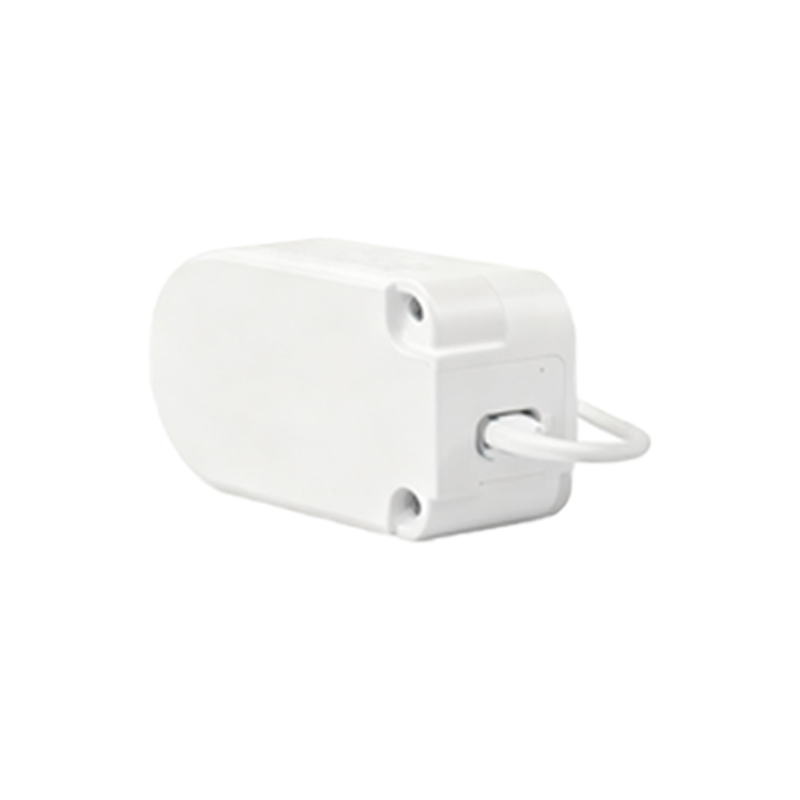
In the realm of industrial automation and control systems, proximity sensors are ubiquitous components, silently detecting the presence or absence of objects without physical contact. A fundamental question that arises during sensor selection, wiring, and troubleshooting is: "How many wires does a proximity sensor have?" The answer is not a single number but depends on the sensor's internal construction, output type, and functionality. Primarily, proximity sensors are categorized into 2-wire, 3-wire, and 4-wire (or more) configurations, each with distinct electrical characteristics and wiring implications.
The most basic type is the 2-wire proximity sensor. This design simplifies installation as it connects in series with the load, much like a mechanical switch. It has only two terminals: one for the power supply (typically labeled as Brown or +) and the other as the output/switched line (typically Blue or -/Load). The sensor itself consumes a small amount of operating current (leakage current) even when in the "off" state, which must be considered to avoid ghost voltages or unintended activation of highly sensitive loads. A key advantage is the reduced wiring effort and space. However, a potential drawback is a slightly higher voltage drop across the sensor compared to other types. These are commonly used in AC or DC circuits where simplicity and cost are primary concerns.
The 3-wire proximity sensor is the most prevalent configuration in modern DC systems. It features three distinct wires: Brown for power supply positive (+V), Blue for power supply negative (0V or Common), and Black (or sometimes White) for the output signal. This design separates the power supply circuit from the output switching circuit. The output can be either NPN (sinking) or PNP (sourcing). An NPN sensor switches the negative (0V) line to the load, meaning the load is connected between the supply positive and the sensor's output. Conversely, a PNP sensor switches the positive supply line to the load. This separation allows for lower leakage current, faster switching speeds, and more reliable operation with programmable logic controllers (PLCs) and other solid-state controls. Correctly identifying NPN vs. PNP is critical for system compatibility.
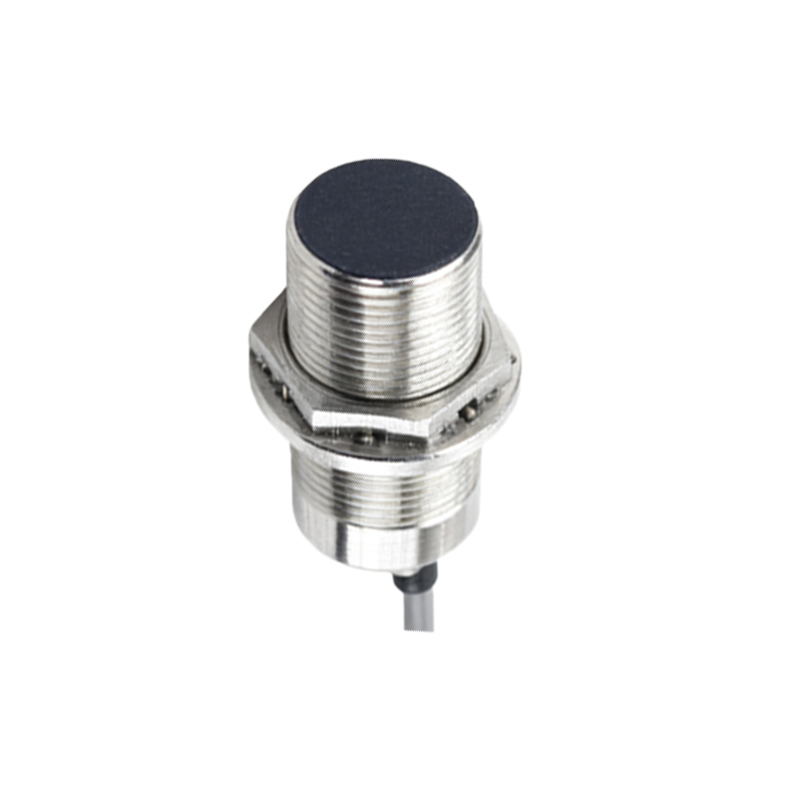
For more advanced applications, 4-wire proximity sensors (and those with even more wires) are employed. These typically include two wires for power (Brown, Blue) and two separate output wires. Often, this configuration provides one Normally Open (NO) and one Normally Closed (NC) output contact from a single sensor body, offering wiring flexibility for control logic. Alternatively, a four-wire device might be a dual-output sensor (e.g., one NPN and one PNP) or include a dedicated output for a diagnostic or analog signal. Some specialized sensors, like analog output or IO-Link enabled devices, may have four or more wires to carry power, digital data, and configuration signals. Always consult the specific sensor's datasheet for the exact pinout and function.
Several factors influence the choice of wire count. Load Compatibility: A 3-wire DC sensor with a clear NPN/PNP designation is typically the safest and most performant choice for interfacing with PLC digital input modules. Power Supply: 2-wire sensors can be easier to integrate into existing AC circuits. Circuit Design: The need for an NC signal or redundant outputs necessitates a 4-wire model. Diagnostic Features: Smart sensors with condition monitoring often require additional conductors for data communication.
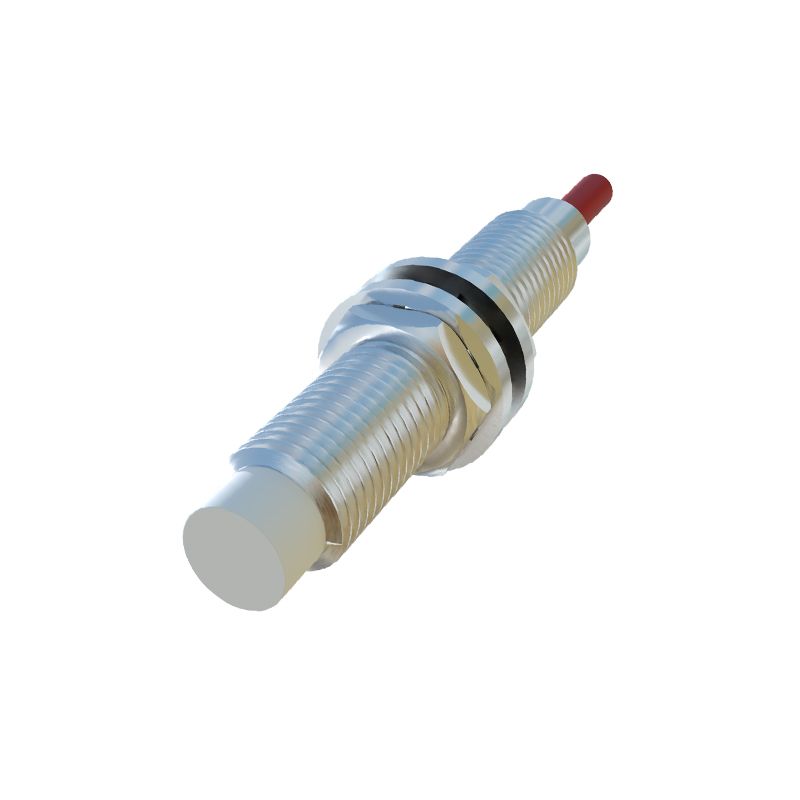
When wiring any proximity sensor, adherence to the manufacturer's documentation is paramount. Key steps include: verifying the supply voltage (AC or DC, and range), identifying the correct wire colors/codes per regional standards (IEC, NEMA), ensuring proper polarity for DC sensors, and connecting the load (relay coil, PLC input, lamp) correctly in series with the output wire. For 2-wire sensors, always check that the load's minimum operating current exceeds the sensor's leakage current. For 3-wire sensors, ensure the PLC input type (sinking or sourcing) matches the sensor's output type (PNP or NPN, respectively). Proper shielding and grounding are essential in electrically noisy environments to prevent false triggering.
In summary, the number of wires on a proximity sensor—2, 3, or 4+—is a direct indicator of its electrical interface and capabilities. The 2-wire sensor offers simplicity, the 3-wire sensor provides reliable, high-performance DC switching, and the 4-wire (or more) sensor delivers enhanced functionality for complex control tasks. Understanding these differences is crucial for any engineer or technician designing, installing, or maintaining robust and efficient automated systems. Always prioritize the sensor datasheet and the specific requirements of the application over assumptions based solely on wire count.
SEO