In the rapidly evolving landscape of industrial automation, the demand for precise, reliable, and efficient sensing technology has never been higher. Among the various solutions available, laser proximity sensors have emerged as a critical component, offering unparalleled accuracy and versatility in non-contact detection and measurement applications. This article delves into the intricacies of the laser proximity sensor supply chain, exploring key considerations for procurement, technological advancements, and best practices for integration.
Laser proximity sensors operate by emitting a focused beam of light towards a target object. The sensor then detects the reflected light to determine the object's presence, distance, or position. This principle allows for high-resolution measurements with exceptional repeatability, often at sub-millimeter accuracy, even over considerable distances. Common industrial applications include object detection on high-speed assembly lines, precise positioning in robotic arms, dimensional gauging in quality control, and level monitoring in bulk material handling. The non-contact nature of these sensors eliminates mechanical wear and tear, ensuring long-term reliability and reducing maintenance costs.
When sourcing laser proximity sensors, several technical specifications demand careful evaluation. The first is the sensing range, which varies from a few centimeters to several meters, depending on the model and laser class. Engineers must match this range precisely to the application's requirements to avoid underperformance or unnecessary cost. The second critical factor is the type of measurement output. Some sensors provide simple binary on/off signals for presence detection, while others offer analog outputs (e.g., 4-20 mA, 0-10 V) or digital interfaces (e.g., IO-Link, Ethernet/IP) for continuous distance data. The choice depends on whether the system needs basic detection or complex, data-rich feedback for process control.
Environmental robustness is another paramount concern in supply selection. Industrial settings often expose equipment to harsh conditions such as dust, moisture, vibration, and extreme temperatures. Therefore, sourcing sensors with appropriate Ingress Protection (IP) ratings (e.g., IP67, IP69K) and robust housing materials (typically stainless steel or hardened plastics) is essential. Additionally, the laser's class (commonly Class 1 or Class 2 for industrial safety) indicates its potential hazard level and dictates necessary safety precautions during installation and operation.

The global supply chain for these components involves a network of specialized manufacturers, distributors, and system integrators. Leading OEMs from Europe, North America, and Asia offer a wide spectrum of products, each with unique strengths in precision, speed, or environmental tolerance. When engaging with suppliers, it is crucial to assess not only the product's specifications and price but also the vendor's technical support capabilities, lead times, and compliance with international standards (e.g., IEC, UL, CE). Establishing a relationship with a supplier that provides comprehensive application engineering support can significantly streamline integration and troubleshooting processes.
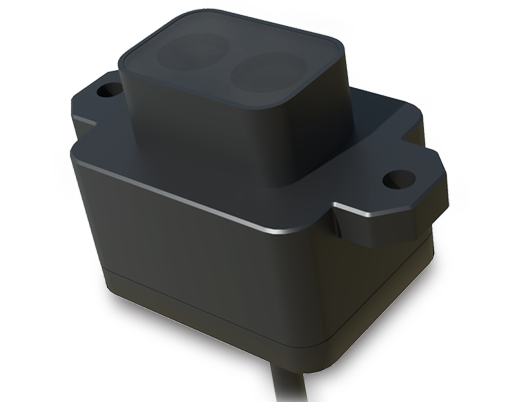
Recent technological trends are reshaping the supply landscape. The integration of smart features, such as built-in diagnostics, temperature compensation, and advanced filtering algorithms, enhances sensor performance in challenging environments. Furthermore, the miniaturization of laser components has led to more compact sensor designs, enabling installation in space-constrained applications. The growing adoption of Industry 4.0 principles also drives demand for sensors with seamless connectivity to Industrial Internet of Things (IIoT) platforms, facilitating predictive maintenance and data analytics.
For optimal performance, proper installation and alignment are as critical as the sensor selection itself. The laser beam must have a clear, unobstructed path to the target. Highly reflective or absorbent surfaces can affect measurement accuracy, necessitating careful consideration of the target's material and surface finish during the application design phase. Regular calibration, as recommended by the manufacturer, ensures sustained accuracy over the sensor's operational lifespan.
In conclusion, navigating the laser proximity sensor supply requires a balanced approach that harmonizes technical requirements, environmental challenges, and total cost of ownership. By thoroughly understanding application parameters and partnering with knowledgeable, reliable suppliers, automation engineers can leverage this sophisticated technology to enhance system precision, efficiency, and reliability, thereby driving productivity and innovation in modern manufacturing and beyond.
