In the realm of industrial automation and control systems, proximity sensors are indispensable components. Their primary function is to detect the presence or absence of an object without physical contact. When selecting a proximity sensor, understanding its model designation and the specifications it represents is crucial for ensuring optimal performance in a specific application. The "model" of a proximity sensor is not merely a part number; it is a coded language that conveys its core characteristics.
Typically, a proximity sensor model number encapsulates key parameters. The first and most fundamental distinction is the sensing technology. Common abbreviations include IN for Inductive sensors (detecting metallic objects), CA for Capacitive sensors (detecting both metallic and non-metallic materials), UL for Ultrasonic sensors (using sound waves for distance measurement), and OP or PH for Photoelectric sensors (using light beams). For instance, a model starting with "E2A-" from a major manufacturer like Omron typically denotes a standard cylindrical inductive sensor.
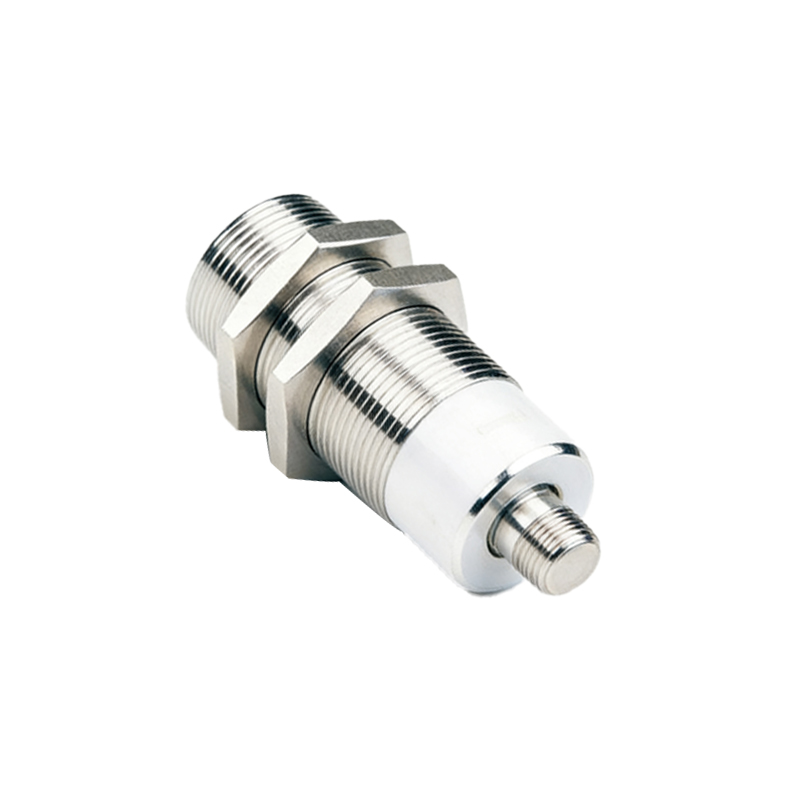
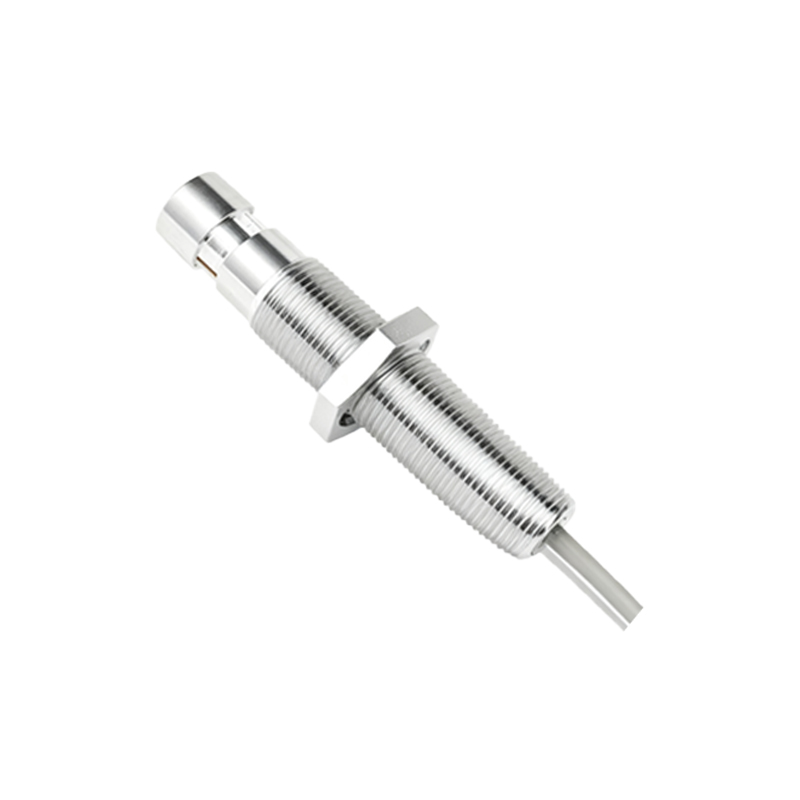
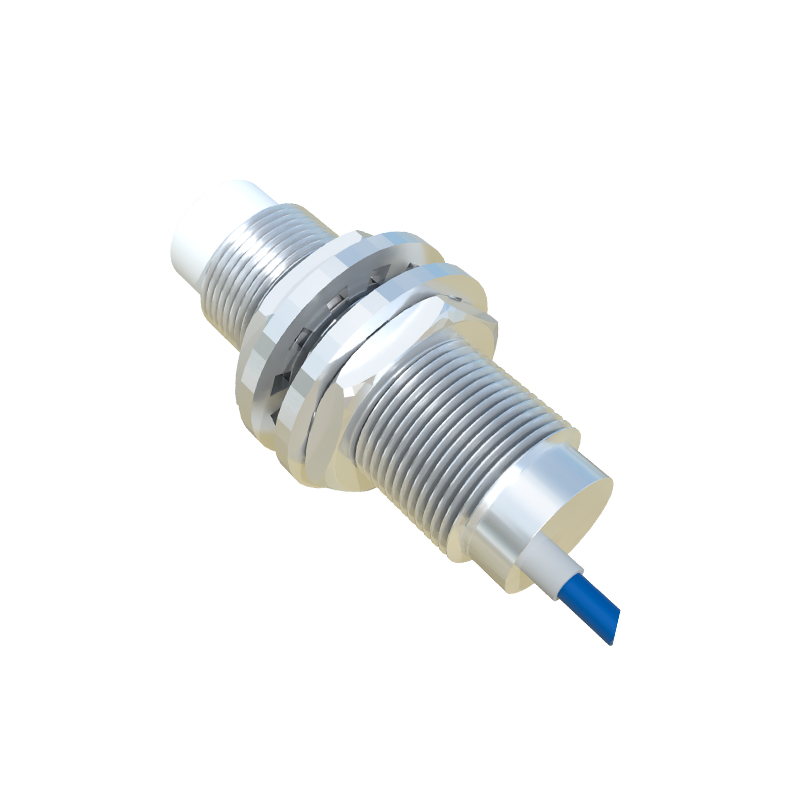
Following the technology prefix, the model often specifies the physical form factor and size. This is usually indicated by the housing shape (e.g., cylindrical, rectangular, block-style) and diameter (like 8mm, 12mm, 18mm, 30mm). A model like "BI5-M18-AP6X" clearly indicates an M18 (18mm threaded barrel) inductive sensor. The mounting style, such as threaded barrel, flat-pack, or slot-style, is also implied or explicitly coded.
The sensing distance, a critical performance metric, is almost always encoded. For inductive sensors, this is the nominal sensing range (e.g., 2mm, 5mm, 10mm, 15mm). It's vital to note that this is the rated operating distance for a standard target; actual performance can vary with target material and size. For example, a "5mm" inductive sensor is designed to detect a standard steel square at exactly 5mm.
Output configuration is another essential element detailed in the model. This defines the electrical switching component inside the sensor. Common codes are NPN (sinking output) and PNP (sourcing output), which must match the controller's input card (e.g., PLC). The number of wires (2-wire, 3-wire, 4-wire) and output type (NO - Normally Open, NC - Normally Closed, or complementary outputs) are also specified. A suffix like "-N" might indicate NPN, while "-P" indicates PNP.
Additional features and electrical specifications are often appended. This includes the operating voltage range (e.g., 10-30V DC, 20-250V AC/DC), connection type (pre-wired cable, quick-disconnect plug), housing material (nickel-plated brass, stainless steel), and protection ratings like IP67 (dust-tight and protected against temporary immersion) or IP69K (protected against high-pressure, high-temperature washdowns). Special function codes might indicate short-circuit protection, reverse polarity protection, or an LED status indicator.
Let's deconstruct a hypothetical model: "PR12-4DPA-IO73".
PR12: Likely denotes a rectangular, capacitive proximity sensor series.
4D: Could indicate a 4mm sensing distance.
PA: May specify a PNP, NO output configuration.
IO73: Might refer to an M12 quick-disconnect connector and an IP67 rating.
It is imperative to consult the manufacturer's datasheet for the exact decoding, as naming conventions are not universal across brands like Sick, Pepperl+Fuchs, Balluff, or Allen-Bradley.
Choosing the wrong model can lead to system failure. An inductive sensor (IN) will not detect plastic bottles on a conveyor. An NPN sensor will not work correctly with a PLC card wired for PNP inputs. A sensor with a 5mm range cannot reliably detect an object passing 8mm away. Understanding the model code ensures you select a sensor with the correct technology, range, output, size, and durability for the environmental conditions (temperature, chemicals, physical impact).
In summary, a proximity sensor model is a comprehensive summary of its identity. By learning to interpret this alphanumeric code, engineers and technicians can make precise selections, streamline procurement, and ensure reliable, maintenance-free operation in everything from packaging machinery and robotic cells to automotive assembly lines and material handling systems. Always cross-reference the model with the official technical documentation for absolute certainty before integration.