Laser inclinometers, also known as laser tilt sensors, are precision instruments designed to measure angular displacement or inclination relative to the Earth's gravity vector. These devices play a critical role in various engineering fields, including structural health monitoring, geotechnical engineering, aerospace, and industrial automation. The fundamental principle behind laser inclinometers involves the use of a collimated laser beam and a position-sensitive detector to determine tilt angles with high accuracy.
At the core of a laser inclinometer is a laser diode that emits a stable, coherent light beam. This beam is directed toward a photodetector array or a position-sensitive device (PSD). When the sensor body tilts, the laser spot shifts on the detector surface due to gravity's influence on the internal pendulum or reflective element. The PSD converts this positional change into electrical signals, which are then processed to calculate the exact angle of inclination. Advanced models incorporate dual-axis detection, allowing simultaneous measurement of pitch and roll angles.
Key components include the laser source, optical system, pendulum mechanism, and signal processing unit. The pendulum, often a damped mass, moves freely under gravity, altering the laser's path. Optical elements like lenses and mirrors ensure beam alignment and minimize errors from external vibrations. Signal processing algorithms filter noise and compensate for temperature variations, ensuring reliable readings even in harsh environments.
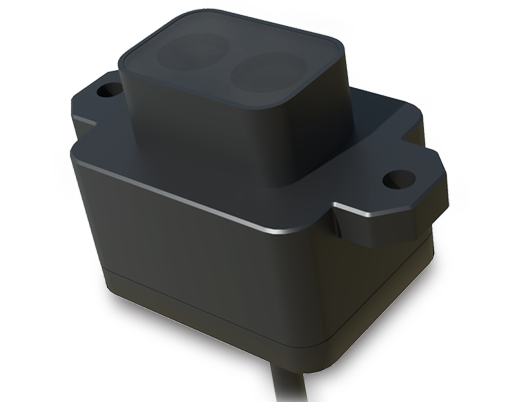
Laser inclinometers offer several advantages over traditional bubble levels or electrolytic tilt sensors. They provide non-contact measurement, high resolution (up to 0.001 degrees), and fast response times. Applications range from monitoring bridge deformations and landslide detection to aligning satellite antennas and stabilizing robotic arms. In construction, they ensure the verticality of skyscrapers, while in manufacturing, they calibrate machinery for precision assembly.
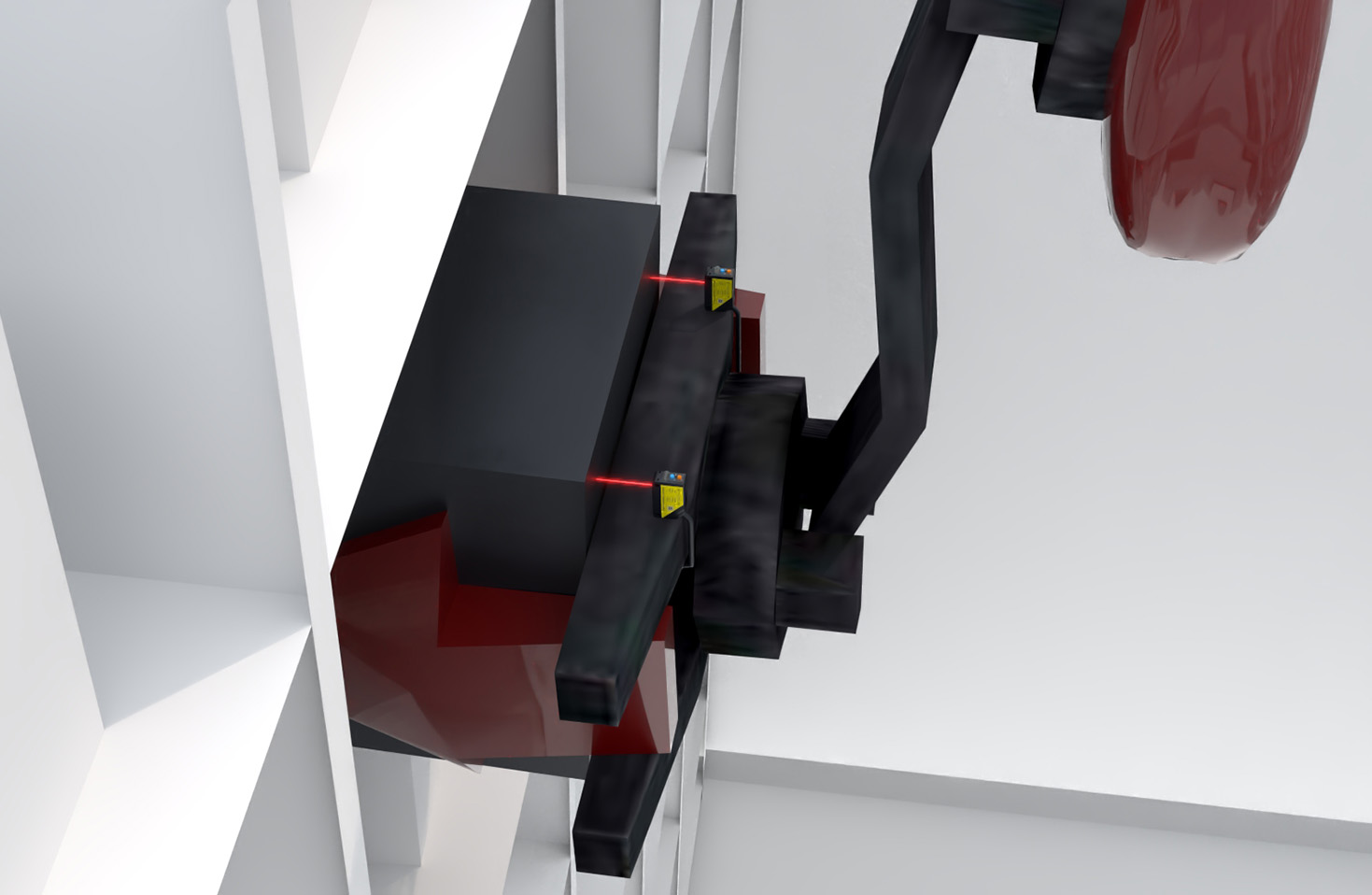
Recent advancements include wireless connectivity and integration with IoT systems, enabling real-time data logging and remote monitoring. However, challenges such as cost, sensitivity to ambient light, and calibration requirements persist. Engineers must select sensors based on accuracy needs, environmental conditions, and budget constraints.
In conclusion, laser inclinometers are indispensable tools for modern engineering, combining optics, electronics, and mechanics to deliver precise angular measurements. As technology evolves, their role in automation and safety-critical systems continues to expand, driving innovation across industries.
