In the realm of industrial automation and electronic design, proximity sensors stand as critical components for enabling non-contact detection, enhancing safety, and improving system efficiency. Among these, the P6 series of proximity sensors has established itself as a reliable and versatile solution for a wide array of applications. This article delves into the technical specifications, operational principles, and practical implementation considerations of the P6 proximity sensor, providing a detailed guide for electrical engineers and industry professionals.
The P6 proximity sensor is typically an inductive type sensor, designed to detect the presence of metallic objects without any physical contact. Its core operating principle is based on electromagnetic induction. The sensor generates a high-frequency oscillating electromagnetic field from its active face. When a metallic target enters this field, eddy currents are induced on the surface of the target. These eddy currents absorb energy from the oscillator, causing a change in the oscillation amplitude. This change is detected by the sensor's internal circuitry, which subsequently triggers a switching action—either opening or closing an output circuit. This solid-state switching is highly reliable, offering a long operational life with no moving parts to wear out.
Key technical parameters define the P6 sensor's performance. The sensing range, often specified as the nominal sensing distance (Sn), is a crucial factor. For the P6, this typically ranges from a few millimeters up to several centimeters, depending on the specific model and target material (standardized for mild steel). Engineers must account for factors like temperature coefficients and supply voltage tolerances, as these can affect the actual sensing distance. The sensor is usually designed to operate on a standard DC voltage supply, such as 10-30V DC, with options for PNP (sourcing) or NPN (sinking) output configurations to interface seamlessly with Programmable Logic Controllers (PLCs) and other control systems. Its housing is robust, often constructed from nickel-plated brass or stainless steel, with a high IP (Ingress Protection) rating like IP67, making it resistant to dust, water, and oil ingress—a necessity in harsh industrial environments like machining centers, material handling systems, and automotive assembly lines.
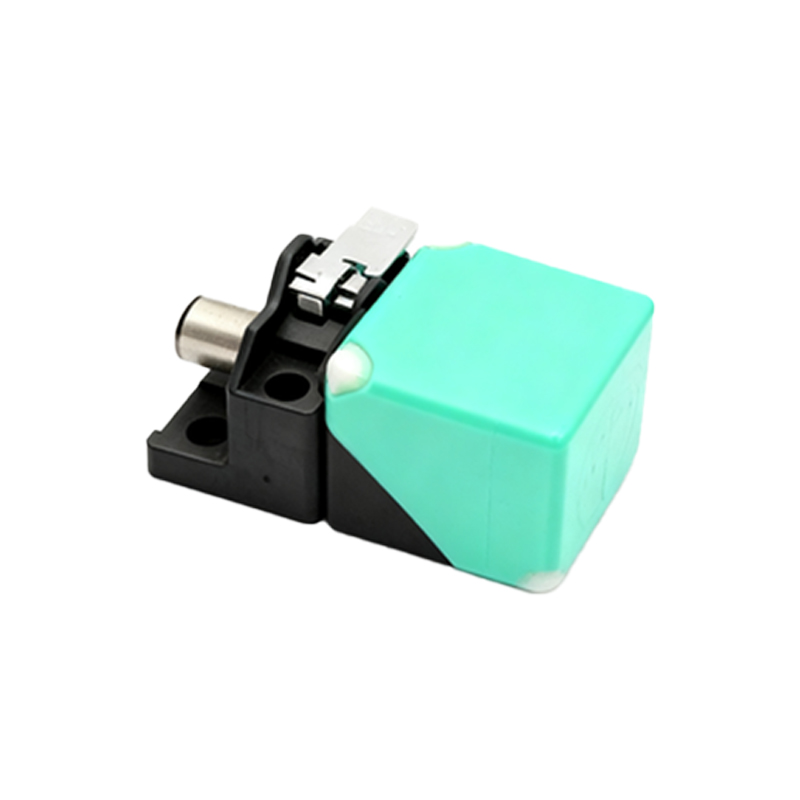
Installation and wiring require careful attention. Engineers must ensure adequate clearance around the sensor's sensing face to prevent false triggers from surrounding metal structures, adhering to manufacturer-specified lateral and axial non-sensing zones. Shielding is another consideration; shielded (flush-mountable) models can be installed flush with metal surfaces, while unshielded (non-flush) models offer a longer sensing range but require a metal-free zone around them. The wiring should follow standard practices: connecting the brown wire to the positive supply, the blue wire to the negative/common, and the black wire (for a 3-wire DC model) as the switched output lead. Proper grounding is essential for electrical noise immunity.
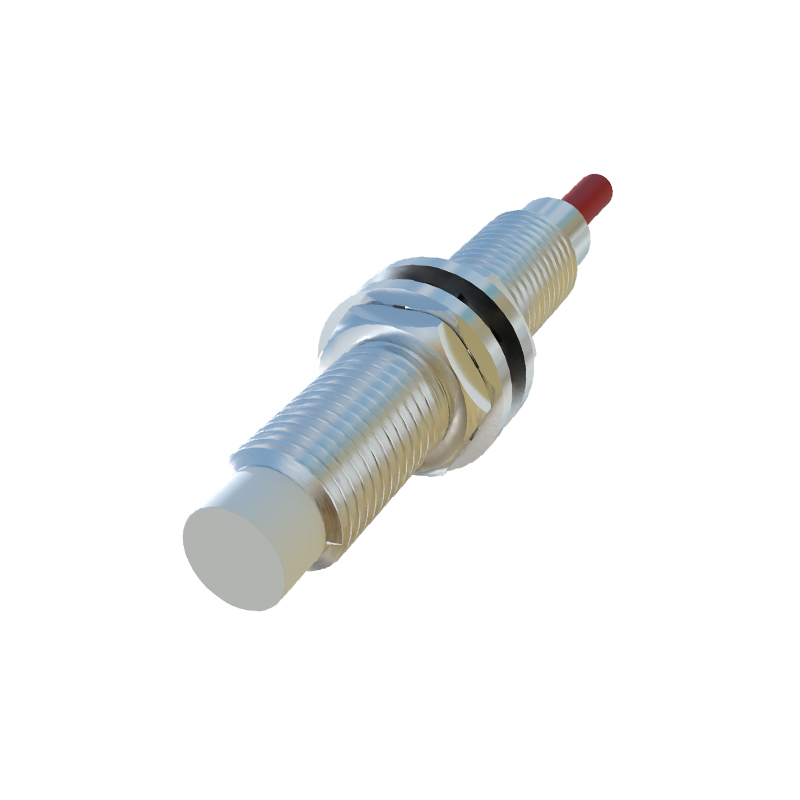
When selecting a P6 sensor for an application, several factors must be evaluated. The target material is paramount; inductive sensors are optimized for ferrous metals like steel and iron, and the sensing distance reduces for non-ferrous metals like aluminum or copper. The required switching frequency, or response time, determines how quickly the sensor can detect objects passing by. Environmental conditions such as ambient temperature, presence of cutting fluids, or weld spatter must be matched with the sensor's specifications. Furthermore, output status indicators (LEDs) are invaluable for diagnostics and commissioning.
In conclusion, the P6 proximity sensor represents a mature and highly effective technology for object detection in automated systems. Its durability, reliability, and straightforward integration make it a staple in an engineer's toolkit. By thoroughly understanding its operating principles, specifications, and installation nuances, electrical engineers can deploy these sensors to create robust, efficient, and safe automation solutions, ensuring precise control in everything from packaging machinery to robotic cell safety curtains. Always consult the specific manufacturer's datasheet for the exact model in use, as details can vary between product families and brands.