In the rapidly evolving landscape of industrial automation, laser sensors have become indispensable components for precision measurement, positioning, and quality control. For procurement specialists, engineers, and project managers, understanding the pricing structure from various laser sensor manufacturers is crucial for budgeting and value engineering. This guide delves into the key factors influencing laser sensor costs and provides a market overview to aid in informed purchasing decisions.
The price of a laser sensor is rarely a simple figure on a datasheet. It is a composite determined by a multifaceted array of technical specifications and commercial considerations. At the core, the type of laser technology employed is a primary cost driver. Standard visible red laser diodes are typically the most economical, suitable for general-purpose detection and alignment. In contrast, laser sensors utilizing Class 2 or Class 3R visible lasers for enhanced visibility in bright environments command a higher price. The most significant price jump is associated with sensors based on laser triangulation or time-of-flight (ToF) principles, which offer sub-micron resolution or long-range measurement capabilities, respectively. These are essential for high-precision applications in metrology or logistics.

Performance parameters directly correlate with cost. Resolution, measuring range, spot size, and response time are critical. A sensor with a 0.1µm resolution and a 300mm range will be substantially more expensive than one with 1mm resolution and a 50mm range. Similarly, sampling speed matters; a 10kHz sensor for high-speed production lines costs more than a 100Hz model for static measurements. Environmental ratings are another major factor. A standard IP67-rated sensor for dust and water jet protection is a baseline for industrial use. Prices increase for sensors with higher IP69K ratings (for high-pressure, high-temperature washdowns), robust housing materials like stainless steel for corrosive environments, or specialized designs for extreme temperatures (-40°C to 85°C). These features involve more expensive components and rigorous manufacturing processes.
Output options and connectivity also influence the final price. Basic models with discrete NPN/PNP outputs or analog 0-10V/4-20mA signals are common. Sensors with advanced digital interfaces like IO-Link, which enable parameter setting, diagnostics, and process data monitoring, carry a premium. Furthermore, integrated Ethernet/IP, PROFINET, or EtherCAT interfaces for direct machine network integration add both functionality and cost. The complexity of the housing design, including adjustable mounting brackets, alignment aids, and built-in teaching functions, contributes to the mechanical cost.
Beyond the product itself, the manufacturer's brand, support ecosystem, and order volume are decisive commercial factors. Established global leaders like Keyence, Omron, Sick, and Banner Engineering are positioned at the premium end of the market. Their prices reflect not only advanced R&D and consistent high quality but also comprehensive technical support, extensive application engineering, global availability, and long-term reliability warranties. Mid-tier European, North American, and Japanese manufacturers offer a balance of performance and cost, often with strong regional support. The most competitive upfront prices are typically found among reputable Asian manufacturers, who have made significant strides in quality and offer capable sensors for standard applications. However, total cost of ownership (TCO) must be considered, factoring in lead times, spare parts availability, and lifecycle support.
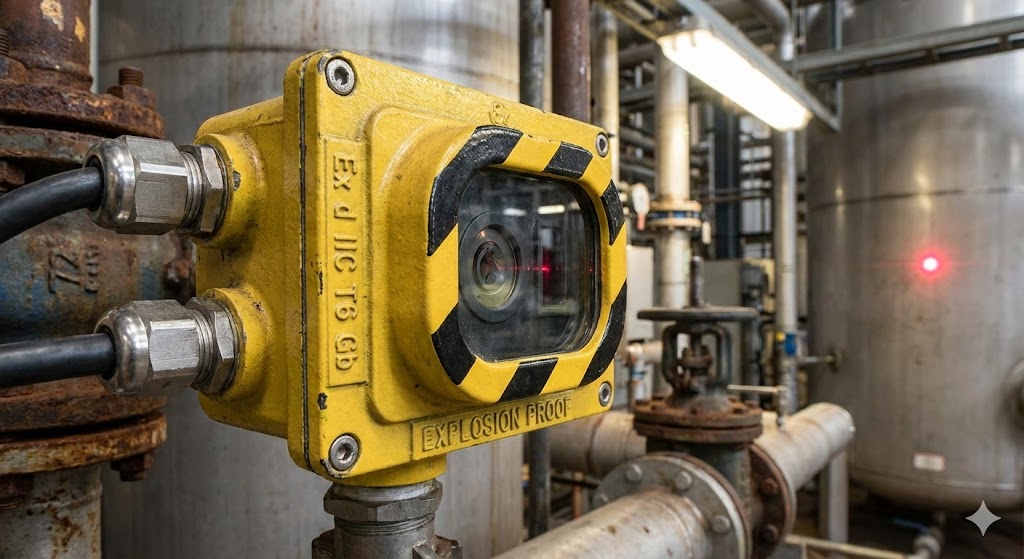
Price ranges can vary dramatically. A simple through-beam photoelectric laser sensor for object detection might start from $100 to $300. A standard diffuse-reflective laser sensor with a moderate range and basic outputs may range from $200 to $600. For high-precision laser triangulation sensors used in thickness or displacement measurement, prices commonly range from $800 to $3,000 or more, depending on accuracy and specialized features. Long-range ToF sensors for bulk material level monitoring or vehicle detection can range from $500 to $2,500.
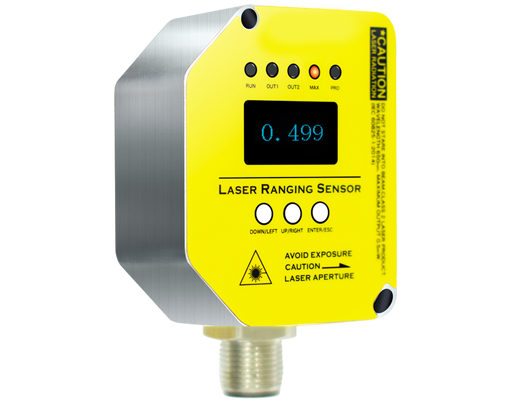
For buyers, the strategy should not focus solely on the lowest unit price. Begin with a precise definition of the application requirements to avoid over-specifying (and overpaying) or under-specifying (leading to failure). Request detailed quotations from 3-4 manufacturers in different tiers, ensuring they are based on identical performance criteria. Evaluate the TCO, including potential costs for mounting accessories, cabling, and software licenses. Inquire about volume discounts, which can be significant for large OEM projects. Finally, leverage the manufacturer's pre-sales engineering support. A quality supplier will help optimize the sensor choice for the application, potentially saving costs in the long run by ensuring right-first-time installation and operation. In the dynamic market of industrial laser sensors, an educated approach to manufacturer pricing is the key to achieving optimal performance, reliability, and value.