In the realm of industrial automation and electrical control systems, proximity switch sensors are indispensable components for non-contact detection of objects. However, the reliability and longevity of these sensors are heavily dependent on their assembly accessories. This guide delves into the critical accessories that form the backbone of a robust proximity sensor installation, ensuring optimal performance in demanding environments.
The primary assembly accessories for proximity switches can be categorized into several key groups: mounting hardware, connection systems, and protective elements.
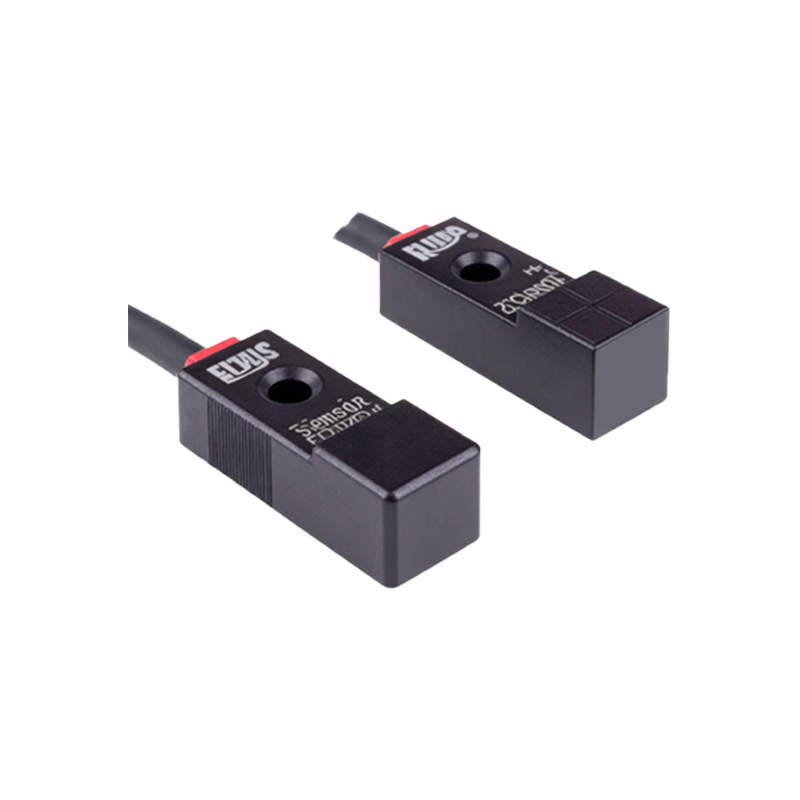
Mounting Hardware: The Foundation of Stability
Proper mounting is paramount. Standard accessories include various types of mounting brackets, nuts, and lock washers. Flush-mount and non-flush-mount brackets are tailored to the sensor's sensing characteristics. For cylindrical sensors, standard metric locknuts (e.g., M12, M18, M30) are essential for securing the sensor into a drilled hole in a machine frame or panel. Anti-vibration nuts and shock-absorbing washers are crucial accessories in applications with significant mechanical vibration or shock loads, preventing loosening and misalignment. For unconventional mounting scenarios, adjustable universal brackets and articulated arm systems provide the necessary flexibility.
Connection Systems: Ensuring Signal Integrity
The electrical connection is the lifeline of the sensor. This category encompasses connectors, cable glands, and pre-wired cables.
Connectors: Many proximity sensors feature quick-disconnect connectors (e.g., M8, M12 coded connectors). The corresponding socket connectors, with their integrated locking mechanisms, are vital accessories that allow for easy sensor replacement without rewiring. It is critical to select the correct pin configuration (3-pin, 4-pin) and coding (A, B, C, D) to match the sensor's output type (PNP/NPN) and protocol.
Cable Glands: For sensors with integral cables or conduit entries, cable glands are mandatory. They provide strain relief, secure the cable, and maintain the IP (Ingress Protection) rating of the enclosure. Choosing the correct gland material (e.g., nickel-plated brass, stainless steel) and thread size is necessary for the environmental conditions (chemical exposure, temperature).
Pre-wired Cables and Extension Cords: Factory-molded cables with connectors offer superior reliability. Extension cords with matching connectors are essential accessories for bridging the gap between the sensor and the control cabinet when the standard cable length is insufficient.
Protective Elements: Shielding from Harsh Conditions
Industrial environments are often hostile. Accessories that protect the sensor body and sensing face are critical for longevity.
Protective Housings and Face Caps: In welding applications, spatter guards or ceramic face caps protect the sensor's active face from molten metal splatter. For applications involving physical impact or abrasion, ruggedized stainless steel housings or protective sleeves are employed.
Heatsinks and Cooling Fans: High-temperature environments near furnaces or ovens can degrade sensor performance. Aluminum heatsinks mounted to the sensor body help dissipate heat. In extreme cases, accessory cooling fans or air purges are used to create a protective airflow.
Electrical Protection Devices: While not physically part of the sensor assembly, accessory surge suppressors and noise filters are often installed in parallel or at the control panel. They protect sensitive solid-state outputs from voltage spikes and electromagnetic interference (EMI) common in plants with large motors and solenoids.
Selection and Installation Best Practices
Selecting the right accessories is as important as selecting the sensor itself. Always consult the sensor manufacturer's datasheet for recommended accessory part numbers. Key considerations include:
1. Environmental Ratings: Ensure all accessories (glands, connectors) match or exceed the IP and NEMA rating required for the application (e.g., IP67 for washdown, IP69K for high-pressure cleaning).
2. Material Compatibility: In corrosive environments (food processing, chemical plants), specify accessories made of stainless steel (e.g., 316L) or specialized plastics to prevent degradation.
3. Electrical Specifications: Verify that connectors and cables are rated for the correct voltage, current, and temperature class. Using undersized cables can lead to voltage drop and signal loss.
4. Mechanical Stress: Account for constant cable movement by using high-flex cables with appropriate strain relief. Ensure mounting brackets are sufficiently rigid to prevent sensing distance drift.
In conclusion, proximity switch sensor assembly accessories are far from mere ancillary items. They are engineered components that directly influence system uptime, maintenance costs, and operational safety. A meticulous approach to selecting and installing these accessories—mounting hardware for stability, connection systems for integrity, and protective elements for durability—transforms a simple sensor into a reliable and long-lasting industrial asset. Investing in high-quality, compatible accessories is a best practice that pays dividends in the form