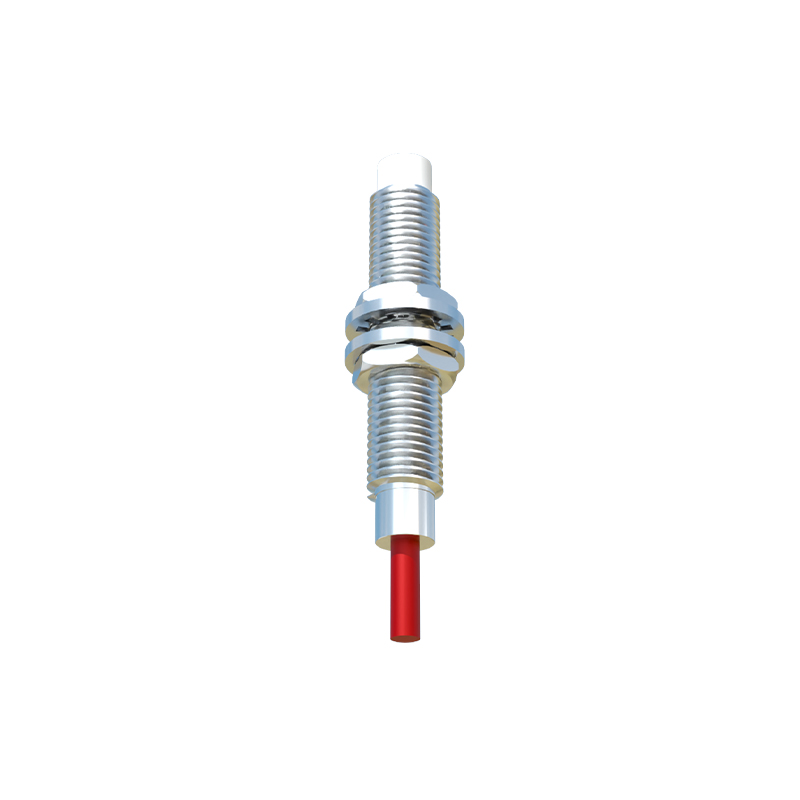
In industrial automation and control systems, proximity sensors play a critical role in detecting the presence or absence of objects without physical contact. A fundamental aspect of their performance is the sensing area, often referred to as the sensing range or detection field. This area defines the spatial region within which the sensor can reliably detect a target. Understanding its characteristics is essential for proper sensor selection, installation, and system reliability.
The sensing area is not a simple, uniform zone. Its shape and size depend heavily on the sensor's technology. Inductive proximity sensors, designed for metallic objects, typically generate a hemispherical or conical detection field. The effective sensing distance, specified by manufacturers, is determined using a standard target—usually a square of mild steel of defined thickness (e.g., 1mm thick Fe 360 steel). For capacitive sensors, which detect both metallic and non-metallic materials, the field is more diffuse and can be influenced by the target's dielectric constant and environmental factors like humidity. Ultrasonic sensors emit a sound cone, and their sensing area is a three-dimensional volume where object size, orientation, and surface texture affect detection. Photoelectric sensors, using light beams, have sensing areas that can be a focused point, a line, or a diffuse field, depending on whether they are through-beam, retro-reflective, or diffuse reflective types.
Key parameters defining the sensing area include the nominal sensing distance (Sn), the assured operating distance (Sa), and the hysteresis. The nominal distance is the theoretical range under ideal conditions. The assured operating distance, typically 70-80% of Sn, accounts for variables like supply voltage fluctuations, temperature changes, and manufacturing tolerances, ensuring reliable operation in real-world installations. Hysteresis, the difference between the switch-on and switch-off points, prevents output oscillation when a target is at the edge of the detection zone.
The size and material of the target object significantly influence the effective sensing area. A larger target may be detected at a slightly greater distance. For inductive sensors, different metals yield different correction factors; for instance, stainless steel may reduce the effective sensing distance by 20-30% compared to mild steel. The target's approach direction also matters. The axial sensing approach is standard, but some sensors are designed for side or flush mounting, which can minimize the dead zone and allow installation in confined spaces.
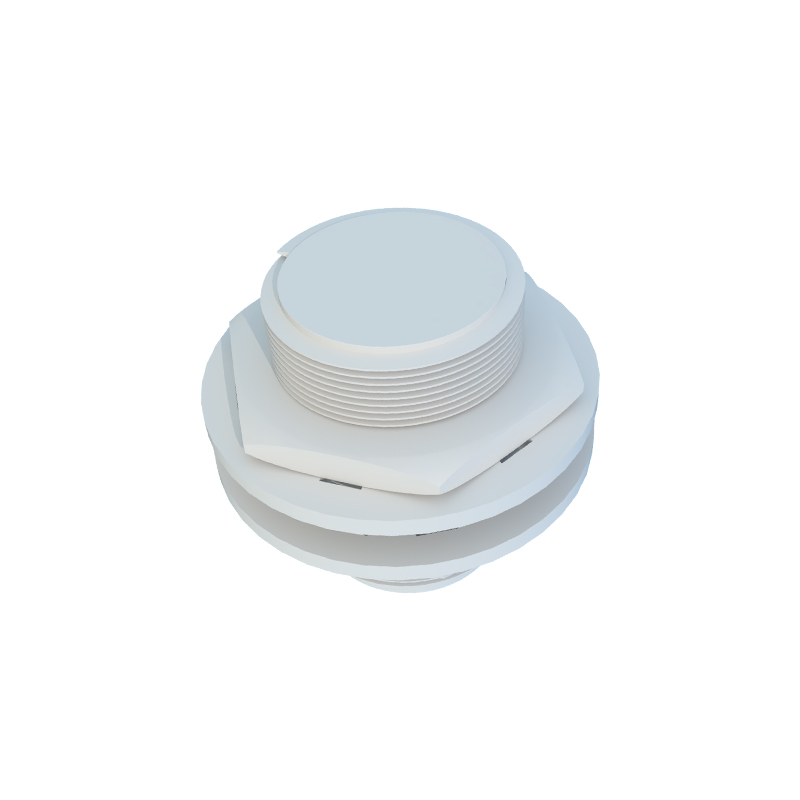
Environmental conditions cannot be overlooked. Extreme temperatures can alter the electronic characteristics of the sensor, potentially shrinking or distorting the sensing area. Strong electromagnetic fields near inductive sensors, or ambient light interference for photoelectric sensors, can cause false triggering or reduced range. Dust, oil, or condensation on the sensor face can attenuate signals, particularly for optical and ultrasonic types.
In application design, engineers must consider the sensing area's 3D profile, not just the rated distance. Mounting multiple sensors in close proximity requires careful spacing to prevent mutual interference—inductive sensors can influence each other's magnetic fields, while ultrasonic sensors may experience crosstalk. The sensor should be positioned so that the target enters the central, most sensitive part of the detection field for consistent operation. For detecting small parts, selecting a sensor with a narrow, focused sensing area improves discrimination against background objects.
Regular verification and maintenance are crucial. Over time, buildup of contaminants on the sensor face can reduce the effective sensing area. Periodic testing with the standard target at the assured operating distance helps confirm performance. Calibration may be necessary for critical applications, especially with analog output sensors where the output signal is proportional to distance within the sensing area.
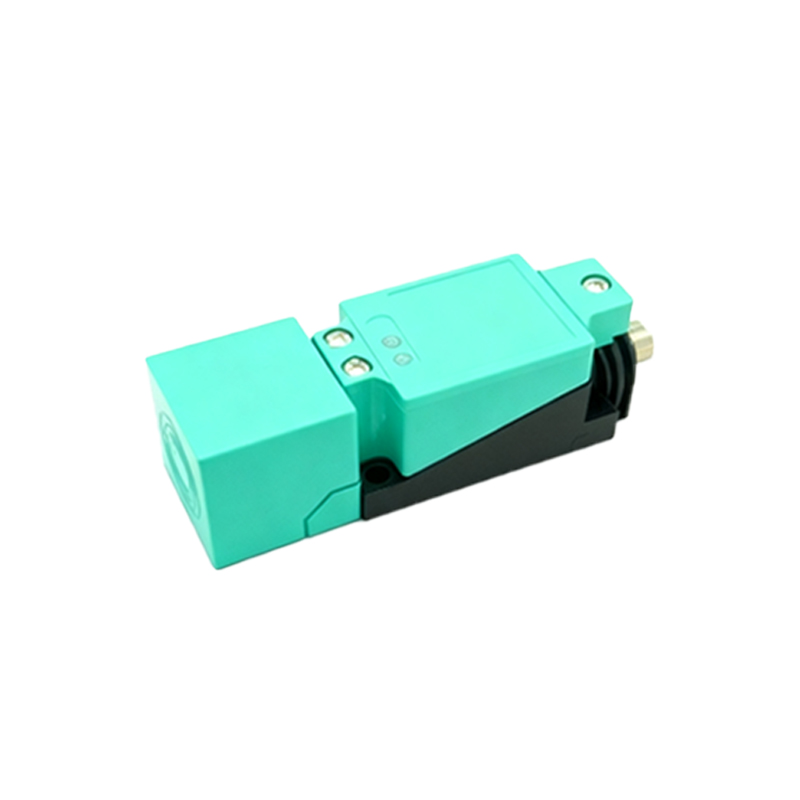
Ultimately, a deep comprehension of the sensing area transcends basic datasheet specifications. It involves analyzing the interplay between sensor technology, target properties, installation mechanics, and the operating environment. This holistic approach enables engineers to design robust, fail-safe detection systems that enhance automation efficiency, machine safety, and overall productivity. Consulting manufacturer application notes and utilizing sensor simulation tools during the design phase can prevent costly installation errors and ensure optimal performance throughout the sensor's lifecycle.