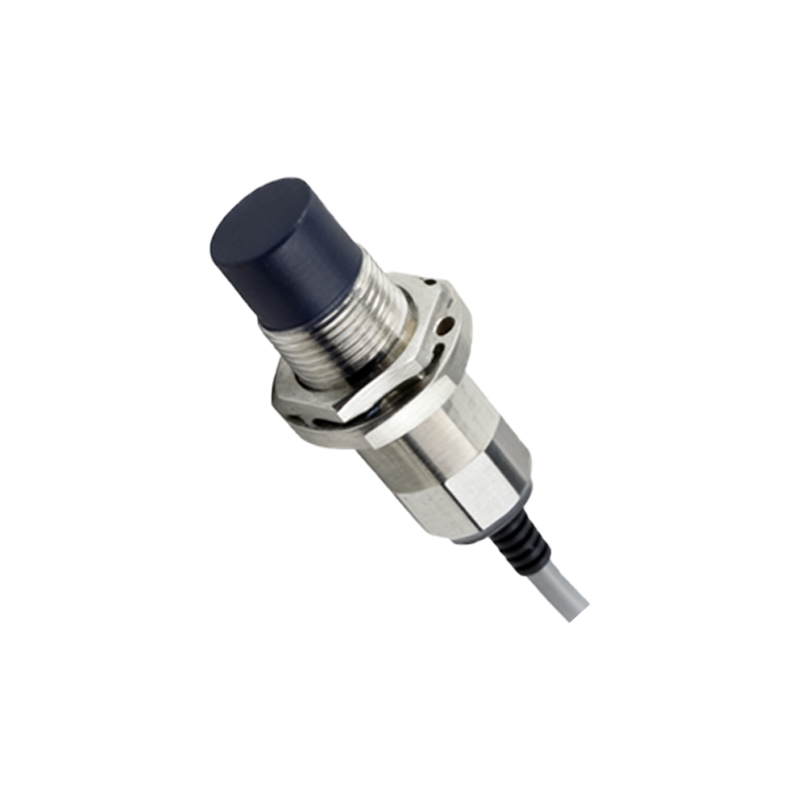
In the world of industrial automation and electrical engineering, proximity sensors are indispensable components for detecting the presence or absence of objects without physical contact. A common question among technicians and engineers is: "Can I simply wire a proximity sensor and start using it immediately?" The short answer is: not always. While many modern proximity sensors are designed for ease of installation, several critical factors must be considered to ensure proper functionality and avoid operational failures.
First, it's essential to understand the basic types of proximity sensors, including inductive, capacitive, and ultrasonic variants. Each type has specific wiring requirements based on its operating principle. For instance, inductive sensors, commonly used for metal detection, typically have three-wire configurations (brown for positive, blue for negative, and black for output). Simply connecting these wires to a power source and load might seem straightforward, but incorrect voltage matching can lead to sensor damage or erratic behavior. Always verify the sensor's datasheet for voltage ratings—common ranges include 10-30V DC or 90-250V AC. Overlooking this step can result in immediate malfunction or reduced lifespan.
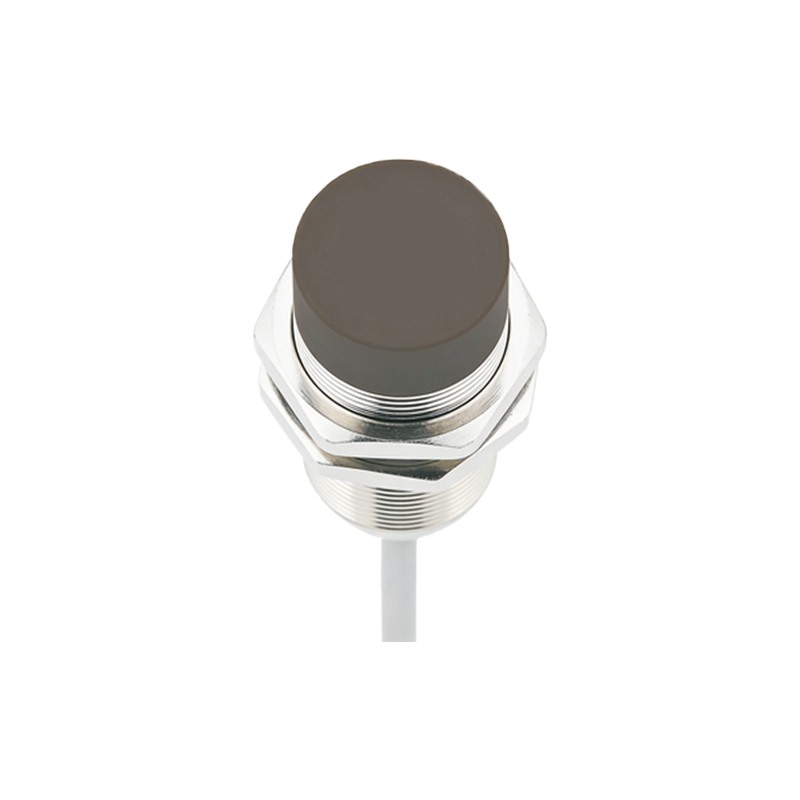
Moreover, the concept of "plug and play" often assumes compatibility with the control system. Proximity sensors output signals to devices like PLCs (Programmable Logic Controllers) or relays. If the sensor's output type (e.g., NPN sinking or PNP sourcing) doesn't align with the input requirements of the control unit, the system won't respond as expected. For example, an NPN sensor, which switches the negative side, may not work with a PLC designed for PNP inputs. This mismatch is a frequent cause of installation issues, even with correct wiring. Engineers must confirm the sensor's output specifications and ensure they match the receiving equipment's parameters.
Environmental factors also play a significant role in whether a proximity sensor can be used immediately after wiring. In harsh industrial settings, factors like temperature extremes, humidity, vibration, or electromagnetic interference can affect performance. A sensor wired correctly in a lab might fail on the factory floor due to environmental stress. Additionally, the sensing distance and material of the target object must be accounted for. Inductive sensors, for example, have reduced range for non-ferrous metals compared to steel. Ignoring these aspects can lead to false triggers or missed detections, requiring recalibration or repositioning post-installation.
Another consideration is the wiring integrity and connections. Loose terminals, improper grounding, or using undersized cables can cause voltage drops or signal loss, preventing the sensor from operating reliably. It's recommended to follow industry standards for wire gauges and shielding, especially in long-distance runs or noisy environments. Testing the sensor with a multimeter or oscilloscope after wiring can verify signal integrity and help identify issues before full system integration.
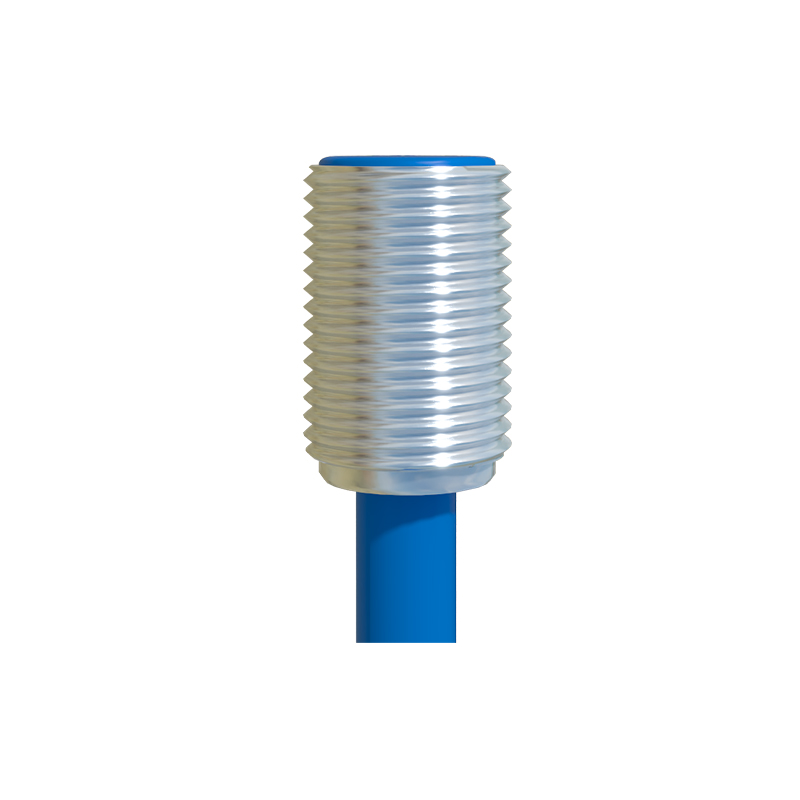
Furthermore, some proximity sensors feature adjustable settings, such as sensitivity or hysteresis, which need configuration before use. While basic models might work out-of-the-box, advanced sensors with teach-in functions or IO-Link communication require setup via software or push-buttons. Assuming these are "plug and play" without reading the manual can lead to suboptimal performance. Always allocate time for initial calibration and testing, even if the wiring seems simple.
In summary, while proximity sensors are generally user-friendly, they are not universally plug-and-play devices. Successful immediate use depends on careful attention to wiring details, compatibility checks, environmental assessments, and initial configuration. By prioritizing these steps, engineers can minimize downtime and ensure reliable sensor operation in automated systems. As technology evolves, with more sensors offering digital interfaces and self-diagnostic features, the process may become simpler, but fundamental electrical principles remain crucial for safe and effective implementation.