In the realm of industrial and commercial lighting systems, induction lights paired with proximity sensors represent a sophisticated solution for energy efficiency and automated control. However, a common issue that engineers and maintenance personnel encounter is the failure of these sensors to trigger the illumination of induction lights. This problem can stem from various technical, environmental, and installation-related factors, each requiring a systematic approach to diagnosis and resolution.
Firstly, it is essential to understand the basic operation of proximity sensors in this context. These sensors, often based on infrared (IR), ultrasonic, or capacitive technologies, detect the presence of objects or individuals within a specified range. Upon detection, they send a signal to the control unit of the induction light, prompting it to turn on. When this process fails, the root cause may lie in the sensor itself. Common sensor malfunctions include misalignment, where the sensor is not properly directed toward the detection area, leading to inadequate object recognition. Additionally, dirt, dust, or moisture accumulation on the sensor lens can obstruct its detection capabilities, resulting in no signal output. In industrial settings, chemical residues or heavy particulate matter can exacerbate this issue, necessitating regular cleaning and maintenance schedules.
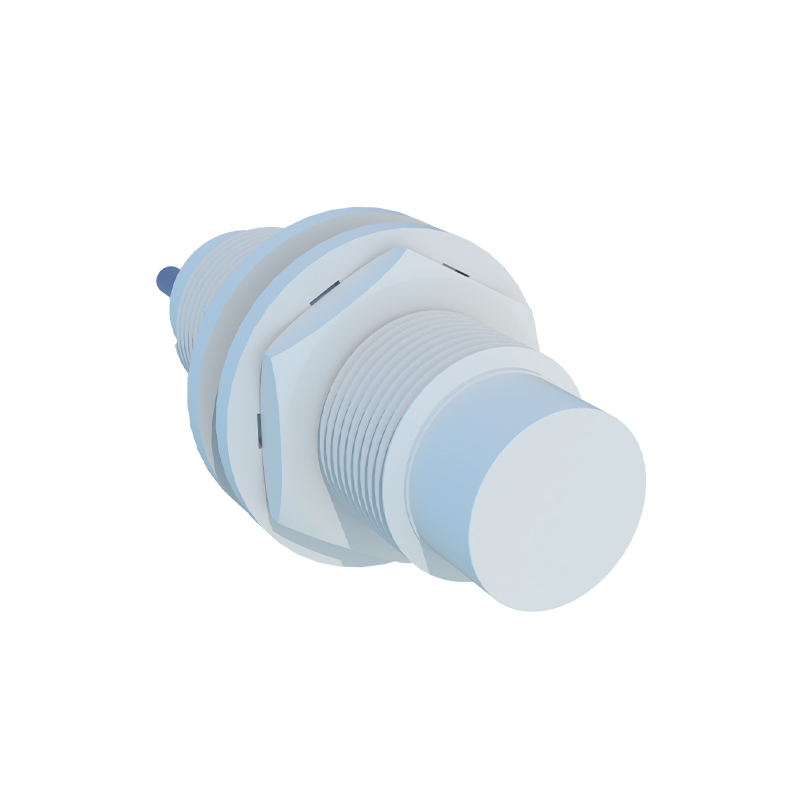
Another critical aspect is the electrical connectivity between the sensor and the induction light. Loose wiring, corroded connectors, or damaged cables can interrupt the signal transmission, preventing the light from receiving the activation command. Engineers should conduct thorough inspections of all electrical connections, using multimeters to verify voltage levels and continuity. It is also advisable to check for any signs of wear or degradation in the wiring, especially in environments with high humidity, temperature fluctuations, or vibration, which can accelerate material fatigue.
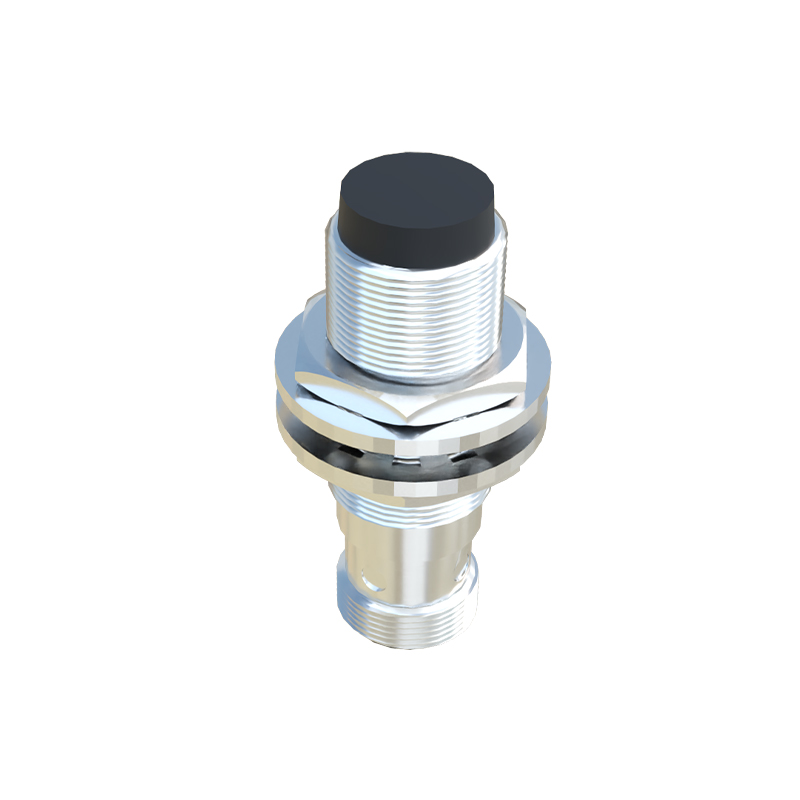
The compatibility between the proximity sensor and the induction light's control system is another potential point of failure. Mismatched voltage ratings, incompatible signal types (e.g., analog vs. digital), or incorrect configuration settings can lead to communication breakdowns. For instance, if the sensor outputs a 24V DC signal but the light's controller expects a 10V DC input, the system will not function as intended. Therefore, during installation or troubleshooting, verifying the technical specifications and ensuring proper calibration is paramount. Many modern systems include diagnostic features or LED indicators on sensors to signal operational status—utilizing these tools can expedite the identification of compatibility issues.
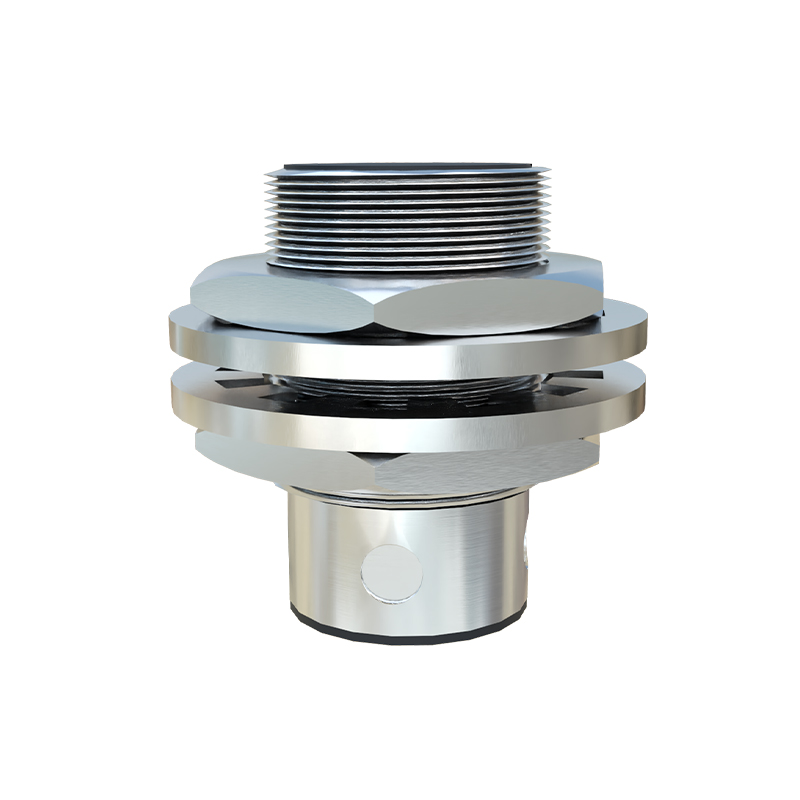
Environmental factors play a significant role in sensor performance. Extreme temperatures, whether too high or too low, can affect the sensor's electronic components, causing them to operate outside their designed parameters. Induction lights, known for their durability, may still be impacted by such conditions if the sensor fails to trigger them. Electromagnetic interference (EMI) from nearby machinery, motors, or high-frequency devices can also disrupt sensor signals, leading to erratic behavior or complete failure. Shielding cables, relocating sensors away from interference sources, or using filters can mitigate these effects.
Power supply issues should not be overlooked. A stable and adequate power source is crucial for both the sensor and the induction light. Voltage sags, surges, or fluctuations can cause the sensor to reset or malfunction temporarily. In some cases, the sensor might enter a low-power mode or fail to boot up correctly, especially if the power supply is undersized or shared with other high-load equipment. Implementing uninterruptible power supplies (UPS) or dedicated circuits for lighting control systems can enhance reliability.
Lastly, software or firmware glitches in programmable sensors or smart lighting systems can contribute to non-illumination. Outdated firmware may contain bugs that affect detection algorithms, while incorrect programming of sensitivity thresholds or time delays can prevent the light from turning on. Regular updates and reprogramming based on the specific application requirements are essential. For complex installations, consulting the manufacturer's documentation or technical support can provide insights into optimal settings and troubleshooting steps.
In conclusion, addressing the failure of proximity sensors to activate induction lights involves a multi-faceted approach. By systematically examining sensor alignment, cleanliness, electrical connections, compatibility, environmental conditions, power stability, and software integrity, engineers can restore functionality and ensure efficient operation. Preventive maintenance, including routine checks and adherence to installation guidelines, is key to minimizing downtime and maximizing the lifespan of these advanced lighting systems.