In the rapidly evolving landscape of industrial automation and smart technology, proximity sensors have emerged as critical components. This growth has given rise to a specialized and dynamic market segment: proximity sensor trading. This guide delves into the intricacies of this trade, exploring the market forces, key players, and strategic considerations for businesses and investors navigating this space.
The global market for proximity sensors is driven by relentless demand from sectors like automotive manufacturing, consumer electronics, packaging, and pharmaceuticals. Modern assembly lines rely heavily on these non-contact detection devices for tasks ranging from object positioning and counting to safety monitoring and quality control. The shift towards Industry 4.0 and the Internet of Things (IoT) has further accelerated adoption, as sensors form the foundational layer of data acquisition in smart factories. Consequently, trading in these components is not merely about moving boxes; it's about facilitating technological advancement and operational efficiency for end-users worldwide.
A successful trader in this field must understand the diverse product ecosystem. The market is segmented by technology, including inductive, capacitive, ultrasonic, photoelectric, and magnetic proximity sensors. Each type has distinct applications, specifications, and price points. Inductive sensors, for instance, are dominant in metal detection for automotive applications, while capacitive sensors are crucial for liquid level detection in food and beverage industries. A proficient trader maintains a robust portfolio and deep technical knowledge to match the right sensor to the client's specific environmental conditions, required sensing range, output type (PNP/NPN), and housing material.
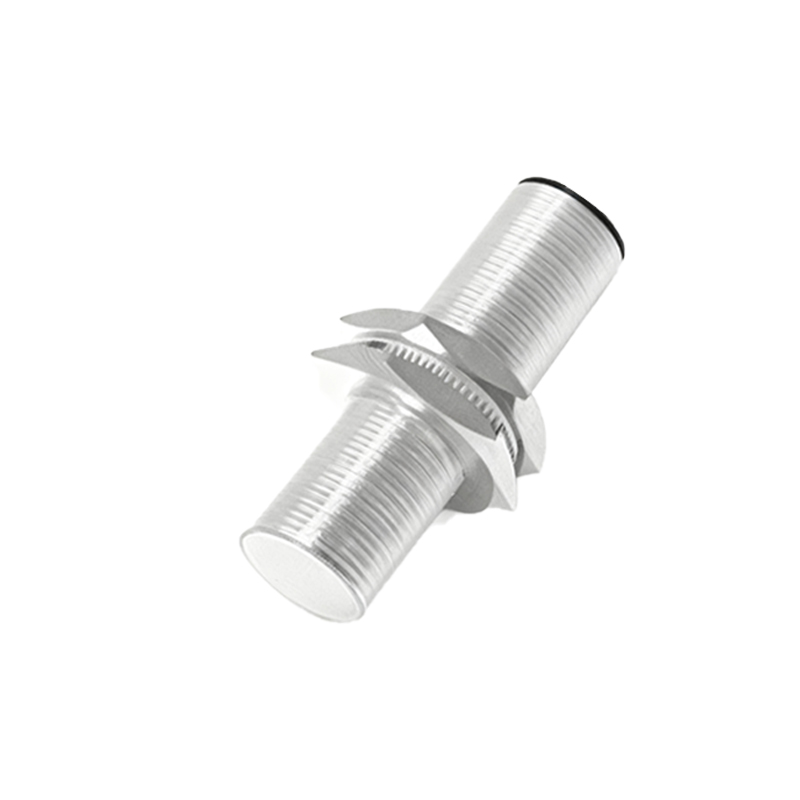
The supply chain for proximity sensors is complex and global. Major manufacturers, often based in Europe, Japan, and North America, set the benchmark for quality and innovation. However, a vibrant secondary market and a growing number of competitive manufacturers in Asia offer alternatives. Traders operate within this network, sourcing from authorized distributors, dealing with excess inventory from large manufacturers, or partnering with OEMs. Key challenges include managing lead times, which can fluctuate significantly, and ensuring component authenticity to combat counterfeit products, which pose a serious risk to system reliability.
Pricing dynamics are influenced by raw material costs (e.g., metals, semiconductors), currency exchange rates, and technological advancements. Traders must be adept at hedging against these volatilities. Furthermore, the rise of e-commerce platforms has transformed traditional trading, making pricing more transparent and competition fiercer. Successful traders differentiate themselves through value-added services such as technical support, customized kitting, just-in-time delivery, and providing comprehensive documentation and certification.
For investors and businesses looking to engage in this trade, several strategies are paramount. First, specialization is often more profitable than generalization. Focusing on a niche, such as high-temperature sensors for aerospace or miniaturized sensors for electronics, can build expertise and customer loyalty. Second, building strong, direct relationships with both reliable suppliers and end-user clients creates a stable business foundation. Third, staying ahead of trends like the demand for IO-Link enabled smart sensors, which offer advanced diagnostics and parameterization, can open new revenue streams.
Logistics and compliance are critical operational pillars. Proximity sensors, while small, often require careful handling and specific shipping conditions. Understanding international trade regulations, tariffs, and customs procedures is essential for smooth cross-border transactions. Moreover, adherence to industry-specific standards (e.g., ATEX for explosive atmospheres) is non-negotiable for many clients.
The future of proximity sensor trading is intertwined with broader technological trends. The expansion of autonomous vehicles, collaborative robots (cobots), and smart city infrastructure will create sustained demand. Traders who can anticipate these shifts, adapt their inventory, and educate their clients will be best positioned for long-term growth. It is a market that rewards technical acumen, logistical excellence, and strategic foresight.
In conclusion, trading proximity sensors is a sophisticated business that sits at the intersection of technology, commerce, and logistics. It requires a deep understanding of both the components themselves and the industrial landscapes they serve. By focusing on quality, reliability, and strategic partnerships, traders can build a resilient and profitable enterprise in this essential segment of the automation industry.