Understanding the cost of a laser methane sensor requires moving beyond a simple price tag. The market offers a wide spectrum, with prices ranging from a few hundred to several tens of thousands of US dollars. This variance isn't arbitrary; it's directly tied to the sensor's intended application, performance specifications, and additional features. For basic, portable leak detectors used by utility technicians for periodic surveys, entry-level models can start from approximately $800 to $2,500. These devices prioritize portability, ease of use, and fast response times for pinpointing leaks, often with a measurement range suitable for safety-focused applications (e.g., 0-100% LEL or 0-10,000 ppm).
For more demanding applications such as continuous emissions monitoring systems (CEMS) in industrial settings, landfill gas management, or pipeline monitoring, the price increases significantly. Fixed-point, continuous monitoring laser methane sensors designed for 24/7 operation in harsh environments typically fall between $3,000 and $15,000 per point. These units boast higher accuracy (often within ±2% of reading), superior long-term stability, robust enclosures (IP65/IP66 ratings), and advanced communication protocols (4-20mA, Modbus, Ethernet). Their core technology, Tunable Diode Laser Absorption Spectroscopy (TDLAS), is non-contact and highly selective to methane, minimizing cross-interference from other gases.
The highest price tier, often exceeding $20,000, is reserved for ultra-precise analyzers used in scientific research, calibration laboratories, or for regulatory compliance requiring the utmost accuracy and traceability. These instruments may offer sub-ppm detection limits, extensive data logging, and certified calibration.
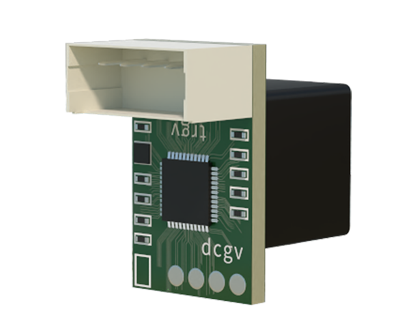
Several key factors critically influence the final laser methane sensor price. First is the measurement range and detection limit. A sensor capable of detecting sub-parts-per-million (ppm) concentrations costs substantially more than one designed for percent-level (% vol) or lower explosive limit (LEL) measurements. Second, the required accuracy and long-term drift specifications have a major impact. Industrial-grade sensors with minimal drift for annual calibration cycles command a premium. Third, the physical design and certifications matter. A rugged, explosion-proof (ATEX/IECEx) housing for hazardous areas increases cost compared to a standard industrial enclosure. Intrinsic safety certifications are a significant price driver. Fourth, additional features like integrated data loggers, real-time wireless connectivity (LoRaWAN, cellular), solar-powered options, and sophisticated software platforms for network management add to the price. Finally, brand reputation, warranty length (a 3-year warranty is common for quality sensors), and the level of after-sales support and calibration services included are reflected in the cost.
When evaluating laser methane sensor pricing, it's crucial to consider the total cost of ownership (TCO), not just the initial purchase price. A higher-quality, more reliable sensor may have a higher upfront cost but can save money over time through reduced downtime, fewer false alarms, lower maintenance needs, and longer calibration intervals. Cheaper sensors might require more frequent replacement or recalibration, increasing long-term expenses.
For buyers, the process should begin with a clear definition of the application: Is it for personal safety, process control, environmental monitoring, or regulatory reporting? Next, establish the necessary technical specifications: required range, accuracy, response time, and environmental conditions (temperature, humidity, potential for explosive atmospheres). Then, request detailed quotes from several reputable manufacturers, ensuring the quotes specify all included components, software licenses, calibration certificates, and warranty terms. Inquire about lead times, availability of spare parts, and the cost of future calibration services. Remember, the goal is to procure a sensor that delivers reliable, accurate data for its specific use case, ensuring safety, compliance, and operational efficiency, with price being one important factor within that broader value equation.
