Magnetic proximity sensors are a fundamental component in modern industrial automation and electronic systems. Unlike other sensing technologies that rely on physical contact or light beams, these devices detect the presence or absence of a magnetic field, typically generated by a permanent magnet. Their core operating principle is based on the magnetoresistive effect, where the electrical resistance of a specific material changes in the presence of a magnetic field. This change in resistance is then measured and converted into a clear, digital output signal, indicating the detection of a target.
The most common type is the magnetoresistive sensor. Within this category, several technologies exist. Anisotropic Magnetoresistive (AMR) sensors utilize thin ferromagnetic films whose resistance varies with the angle between the magnetization and the direction of the electric current. They offer good sensitivity and are widely used. Giant Magnetoresistive (GMR) sensors, a more advanced development, consist of alternating ferromagnetic and non-magnetic layers. They exhibit a much larger resistance change than AMR sensors, providing superior sensitivity for detecting very weak magnetic fields or allowing for larger operating air gaps. The latest technology, Tunnel Magnetoresistive (TMR) sensors, feature an ultra-thin insulating layer between two ferromagnetic layers. They boast even higher sensitivity, lower power consumption, and better thermal stability compared to GMR and AMR types, making them ideal for high-precision applications.
The advantages of magnetic proximity sensors are numerous and explain their widespread adoption. They are renowned for their exceptional reliability and long operational life. Since detection is non-contact and does not require physical interaction with the target, there is no mechanical wear on the sensor itself. This makes them perfectly suited for harsh environments. They are inherently resistant to contamination from dust, oil, coolant, and other non-ferrous debris that would easily obstruct optical sensors. Furthermore, they are not affected by ambient light conditions and can operate reliably in complete darkness or bright sunlight. Their solid-state construction ensures robustness against vibrations and shocks. Many models are also submersible and can withstand high-pressure washdowns, which is critical in food processing, pharmaceutical, and marine applications.
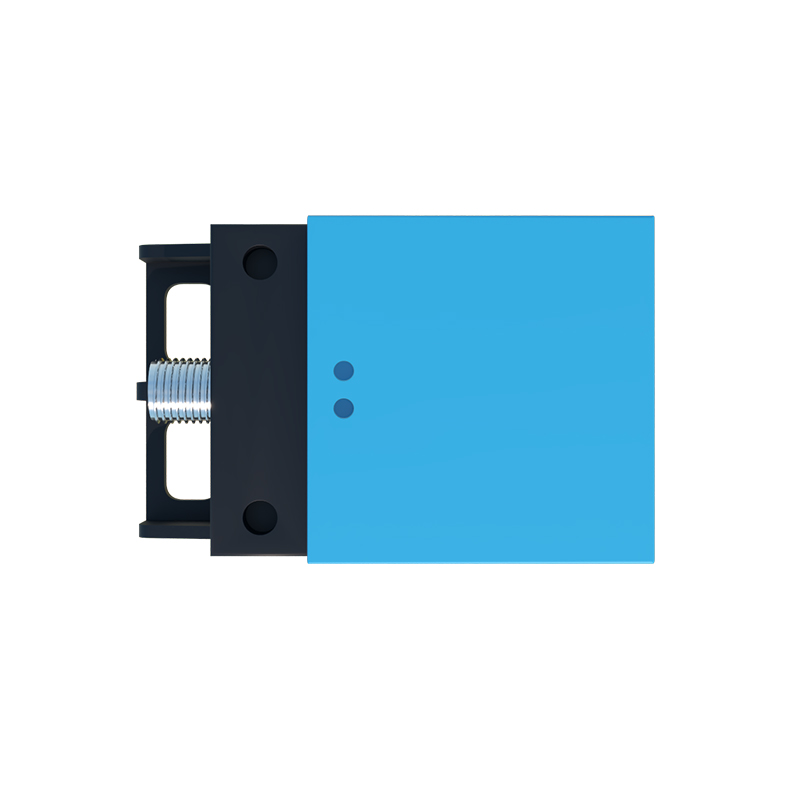
When selecting a magnetic proximity sensor, several key parameters must be considered. The sensing distance, or operating point, is the critical distance at which the sensor reliably detects the standard target magnet. It is crucial to account for temperature effects, as the strength of both the magnet and the sensor's sensitivity can drift with temperature changes. The hysteresis, which is the difference between the operating point and the release point, provides switching stability and prevents signal chatter when a target is at the exact detection boundary. Output configuration is another vital choice; sensors are available with analog outputs (for continuous position feedback) or digital outputs like NPN, PNP, or push-pull, which provide a simple on/off signal for counting or position verification. The housing material, typically stainless steel, nickel-plated brass, or specialized plastics like PPS or PBT, must be chosen based on the chemical and mechanical demands of the installation environment.
The applications for magnetic proximity sensors are vast and cross-industrial. In factory automation, they are ubiquitous for position sensing on linear actuators, cylinders, and slides, providing end-of-travel verification. They serve as non-contact limit switches on machine tools, conveyor systems, and robotic arms. In the automotive sector, they are integral for detecting gear position in transmissions, sensing wheel speed for anti-lock braking systems (ABS), and monitoring throttle and pedal positions. Consumer electronics utilize miniature versions in laptops and mobile devices as lid-open/close detectors. Beyond these, they play critical roles in security systems for door and window monitoring, in medical equipment for precise fluid level or component positioning, and in renewable energy systems for monitoring turbine blade position.
Installation and maintenance are generally straightforward but require attention to detail. The sensor must be aligned correctly with the path of the target magnet. Factors such as the magnet's size, grade, and polarity directly impact the effective sensing range. Shielding must be considered, as strong external magnetic fields or large masses of ferrous material near the sensor can influence its performance. For maintenance, periodic checks are recommended to ensure the sensing face is free from metallic swarf buildup, which could theoretically saturate the sensor, and to verify the integrity of the electrical connection and housing.
In conclusion, magnetic proximity sensors offer a unique combination of durability, environmental resistance, and non-contact sensing that is unmatched for many industrial and commercial tasks. From robust AMR sensors for general-purpose use to highly sensitive TMR sensors for cutting-edge applications, the technology continues to evolve. Their ability to function reliably where other sensors fail ensures they will remain a cornerstone of automated sensing solutions, providing silent, efficient, and dependable detection in an ever-widening array of technologies.