In the world of industrial automation and machine safety, the ability to detect the presence or absence of an object without physical contact is paramount. Proximity sensors designed specifically for metal detection are fundamental components that enable this capability. These devices are ubiquitous, found in applications ranging from assembly lines and robotic systems to vehicle detection and security installations. Their reliability, durability, and non-contact nature make them indispensable in modern manufacturing and control systems.
At their core, metal-sensing proximity switches operate on the principle of electromagnetic induction. The most common type is the inductive proximity sensor. It contains an oscillator circuit that generates a high-frequency electromagnetic field at its active face. When a metallic object enters this field, eddy currents are induced on the surface of the metal. This causes a load on the oscillator, leading to a change in its amplitude. An evaluation circuit within the sensor detects this change and triggers a solid-state output switch, signaling the presence of the target. This entire process occurs without any physical touch, eliminating mechanical wear and allowing for high-speed operation.
Several key factors define the performance and selection of a metal proximity sensor. The sensing distance, or nominal range, is critical and varies based on the sensor's design and the target metal type. Standardized correction factors apply; for instance, a sensor calibrated for mild steel will have a reduced effective range for stainless steel or non-ferrous metals like aluminum or copper. The size and shape of the target also influence detection. Furthermore, sensors are classified by their output type, typically being NPN (sinking) or PNP (sourcing) transistor outputs, which must be compatible with the connected controller, such as a PLC. Housing material is another consideration, with options like nickel-plated brass, stainless steel, or plastic, chosen based on the environmental conditions including exposure to coolants, oils, or washdowns.
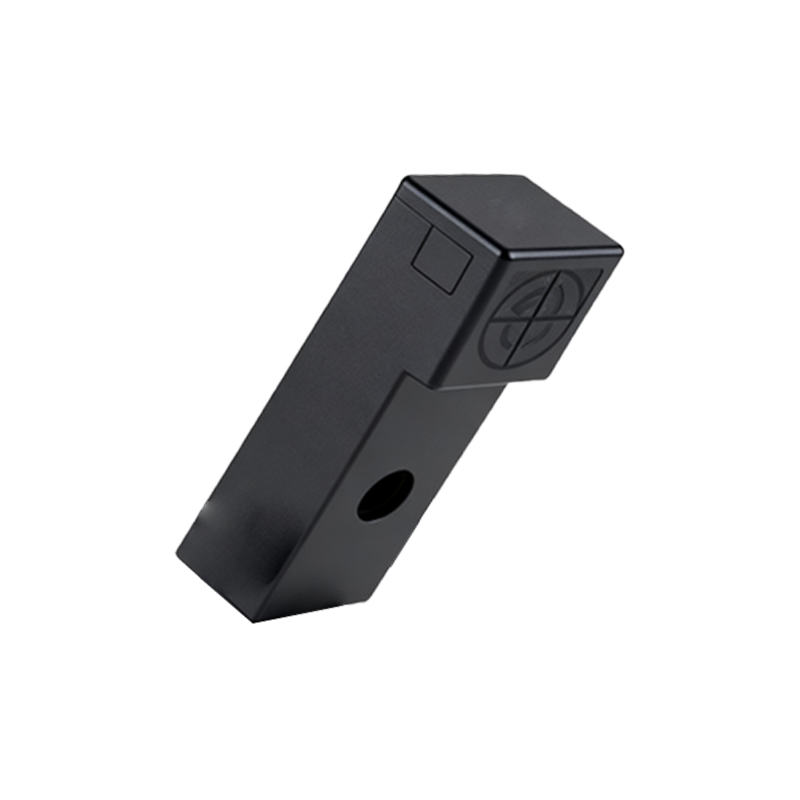
While inductive sensors are the workhorses for general metal detection, specific variants address unique challenges. Factor 1 cylindrical sensors are the most common form factor. All-metal housing sensors offer superior mechanical strength and resistance to harsh environments. Ferrous-only sensors are tuned specifically for iron and steel, ignoring non-ferrous metals, which is useful in material sorting applications. Conversely, special designs can optimize detection for aluminum or copper. For applications requiring extended sensing ranges or detection through non-metallic barriers, capacitive proximity sensors can sometimes be employed, though they are sensitive to a wider range of materials beyond just metal.
The applications for these sensors are vast and varied. In automated machinery, they are used for part positioning, counting, and end-of-travel limit detection. On conveyor systems, they verify the presence of metal components or trigger subsequent actions. In the automotive industry, they ensure robotic welders and tools are correctly positioned. They serve as safety interlock devices on guards and doors. In vehicle technology, they are integral to anti-lock braking systems (ABS), detecting gear tooth speed. Their robustness allows them to function reliably in dirty, wet, or vibratory conditions where optical sensors might fail.
Installation and maintenance are generally straightforward but require attention to detail. Proper mounting, ensuring adequate clearance from surrounding metal (to prevent false triggering), and correct electrical wiring are essential for reliable operation. While these sensors are known for their long service life, performance can be affected by the accumulation of metallic dust or swarf directly on the sensing face, which may require periodic cleaning. Understanding the sensor's specifications, including temperature ratings, short-circuit and overload protection, and output current limits, is crucial for optimal system integration.
In conclusion, metal detection proximity sensors are a mature yet continually evolving technology. They provide a simple, effective, and robust solution for object detection challenges across countless industries. From ensuring precision in high-speed packaging to guaranteeing safety in heavy machinery, their role is critical. As industrial processes become more sophisticated, the demand for sensors with higher precision, longer ranges, and greater intelligence embedded in compact form factors will continue to drive innovation in this essential field of sensing technology.