In the demanding world of industrial automation and process control, reliable sensing is non-negotiable. Equipment must perform flawlessly in conditions that would cripple standard electronics—amidst high-pressure washdowns, corrosive chemicals, explosive dust, or volatile gases. This is where waterproof and explosion-proof proximity sensors become not just components, but critical guardians of safety, efficiency, and uptime. These specialized devices are engineered to deliver precise object detection while withstanding the most severe operational challenges.
A proximity sensor's primary function is to detect the presence or absence of an object without physical contact, typically using electromagnetic, capacitive, or ultrasonic principles. A standard sensor might suffice in a clean, controlled factory cell. However, introduce moisture, particulates, or flammable atmospheres, and its failure becomes a matter of when, not if. Waterproof and explosion-proof designs address these threats through robust construction and certified protection methodologies.
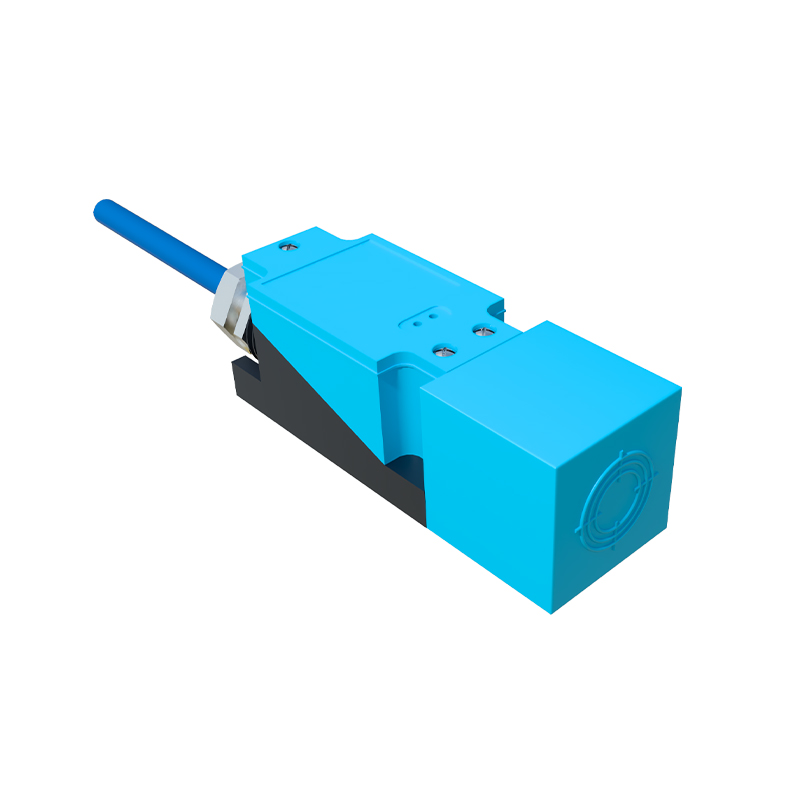
Waterproofing, often signified by an IP (Ingress Protection) rating, guards against liquid intrusion. Common ratings for industrial sensors include IP67 (protected against temporary immersion) and IP68/IP69K (protected against prolonged immersion and high-pressure, high-temperature jet sprays). This is vital in food and beverage processing, pharmaceutical manufacturing, wastewater treatment, and outdoor applications where sensors are routinely exposed to cleaning cycles, condensation, or direct rainfall. The sealing prevents internal corrosion and short-circuiting, ensuring long-term signal integrity.
Explosion-proof protection is a more complex safety engineering discipline. It is designed for hazardous locations where flammable gases, vapors, mists, or combustible dusts are present, such as in oil refineries, chemical plants, grain silos, or paint spray booths. The core principle is containment: the sensor housing is constructed to withstand an internal explosion of specified gases and prevent the ignition from propagating to the external hazardous atmosphere. This is different from intrinsic safety, which limits electrical energy to prevent ignition altogether. Key international certification standards include ATEX (Europe), IECEx (International), and NEC Class/Division/Group (North America). Selecting a sensor with the correct certification for the specific zone and hazardous material is a legal and safety imperative.
The synergy of these protections in a single device—a waterproof and explosion-proof proximity sensor—creates a versatile tool for extreme dual-threat environments. Consider a bottling line for alcoholic spirits: the area may have both frequent washdowns (requiring IP69K) and potentially explosive alcohol vapors (requiring ATEX Zone 1). Only a sensor certified for both conditions can be safely deployed.
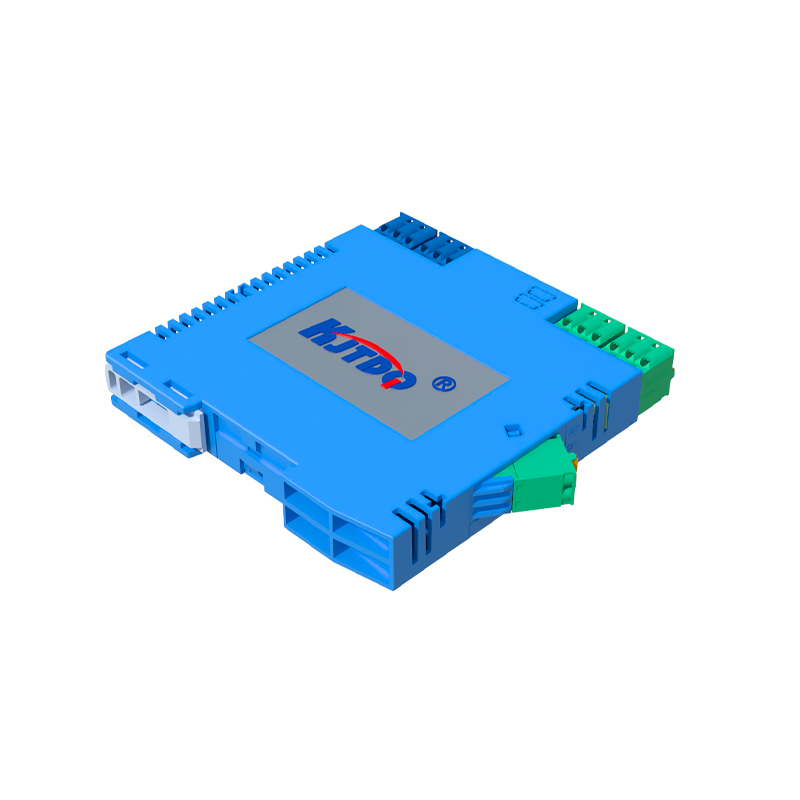
Modern advancements have significantly enhanced the performance and application range of these rugged sensors. Manufacturers now offer models with all-metal housings (stainless steel or brass) for superior mechanical strength and chemical resistance. Sensing distances have improved, and options now include not just inductive models for metals but also capacitive versions for detecting non-metallic materials like liquids or plastics through tank walls. The integration of IO-Link digital communication allows for detailed parameter setting, real-time diagnostics, and predictive maintenance data, transforming a simple switch into a smart node on the Industrial Internet of Things (IIoT). This connectivity helps preempt failures by monitoring operating temperature, signal stability, and housing integrity.
When integrating these sensors into a system, several practical considerations are paramount. Electrical connection is critical; even a perfectly sealed sensor body is compromised by a poorly sealed cable gland or connector. Using certified cable entries and ensuring proper torque during installation maintains the protective envelope. Regular maintenance, though minimal, should involve visual inspections for physical damage or seal degradation and functional checks to verify sensing accuracy. It is crucial to remember that certifications apply to the sensor as installed per manufacturer guidelines—improper installation voids the protection.
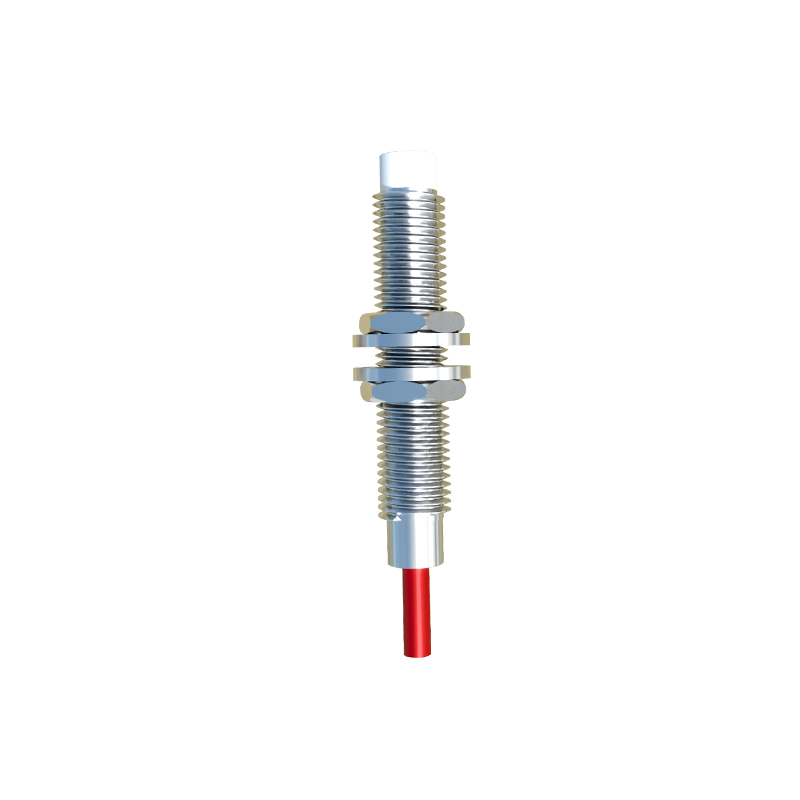
The return on investment for these premium sensors is measured in reduced downtime, lower maintenance costs, and the invaluable asset of enhanced personnel and plant safety. A single failure in a hazardous area can have catastrophic consequences far exceeding the cost of the sensor itself. Their reliability in wet conditions prevents production stoppages for replacements and maintains consistent product quality by ensuring automated processes continue uninterrupted.
From monitoring fill levels in aggressive chemical tanks to detecting position on submerged machinery in mining operations, waterproof and explosion-proof proximity sensors form an invisible yet indispensable layer of protection and control. They enable automation to extend into frontiers previously deemed too hostile, driving productivity while upholding the highest safety standards. As industries push towards more connected and autonomous operations in challenging environments, the role of these ruggedized sensing solutions will only grow in importance, forming the durable sensory foundation of the modern industrial landscape.