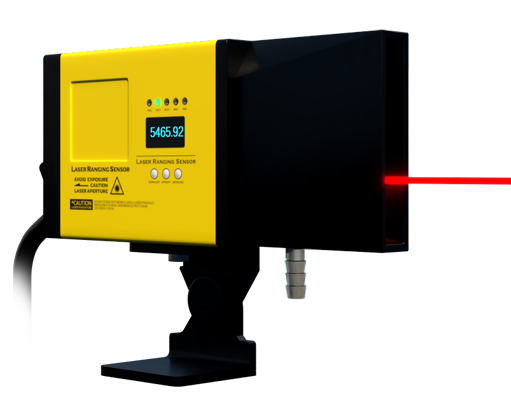
In the rapidly evolving landscape of industrial automation, laser sensors have emerged as pivotal instruments in the chemical sector, offering unparalleled precision, reliability, and safety. These sophisticated devices utilize laser technology to perform critical measurements—such as distance, level, thickness, and composition analysis—without direct contact with hazardous or corrosive substances. This non-invasive nature is particularly advantageous in chemical processing environments, where maintaining integrity and preventing contamination are paramount.
Laser sensors operate on principles like time-of-flight, triangulation, or interferometry, emitting focused light beams that reflect off target surfaces. By analyzing the reflected signals, these sensors provide real-time data with micron-level accuracy. For instance, in chemical reactors, laser level sensors monitor liquid or solid levels continuously, ensuring optimal fill rates and preventing overflows that could lead to dangerous reactions. Similarly, in pipeline systems, laser-based flow sensors detect minute changes in fluid velocity, enabling proactive maintenance and leak prevention. The integration of these sensors with Industrial Internet of Things (IIoT) platforms facilitates predictive analytics, reducing downtime and enhancing operational efficiency.
One of the standout applications is in quality control for chemical manufacturing. Laser spectroscopy sensors, such as Raman or near-infrared (NIR) variants, analyze molecular compositions in real-time. They identify impurities, monitor reaction progress, and verify product consistency, thereby upholding stringent industry standards. For example, in pharmaceutical chemical production, these sensors ensure active ingredients meet precise specifications, minimizing waste and compliance risks. Additionally, laser sensors excel in harsh conditions—withstanding extreme temperatures, high pressures, and aggressive chemicals—thanks to robust enclosures and materials like stainless steel or specialized coatings.
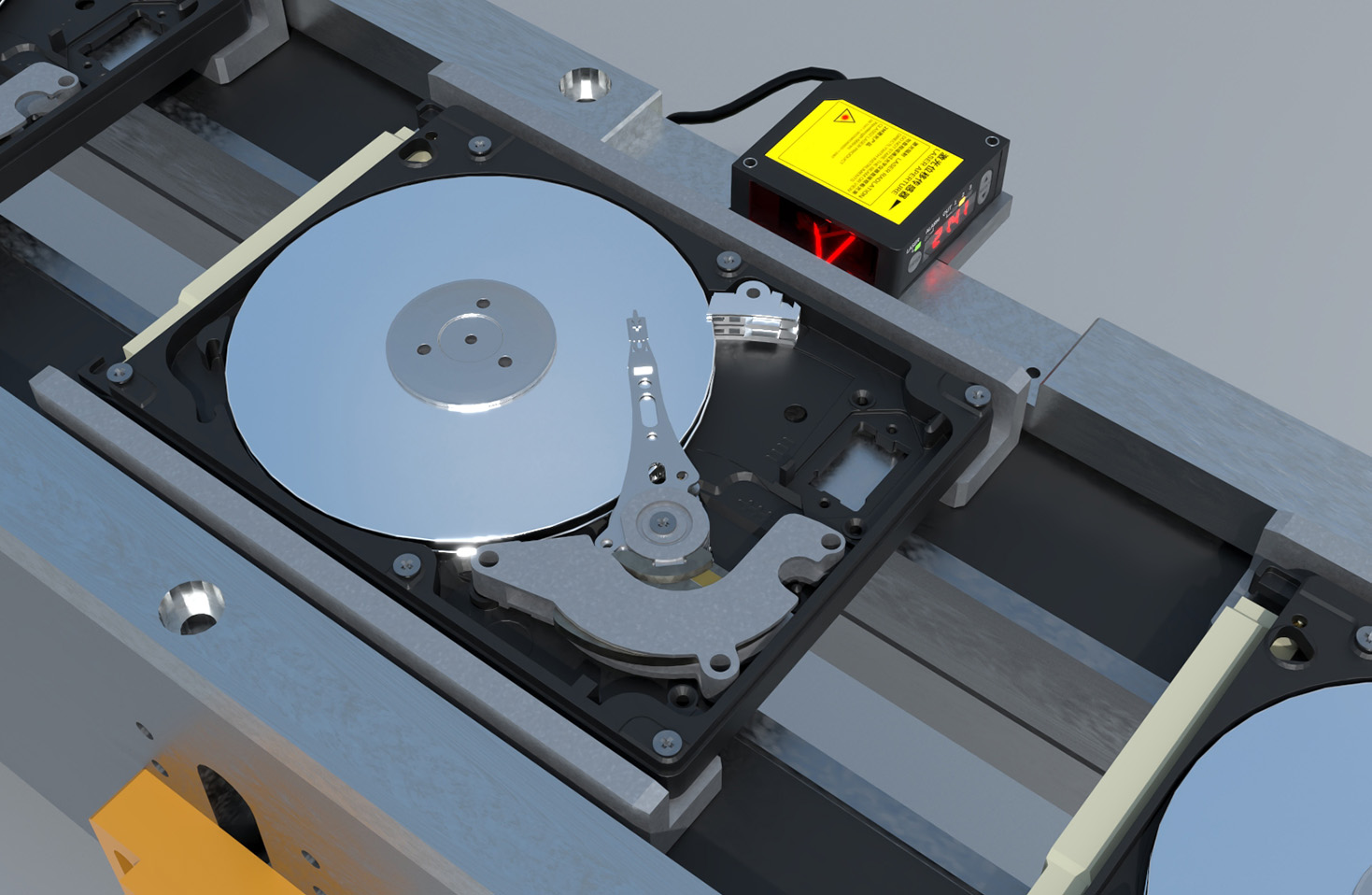
Safety is another cornerstone of laser sensor adoption. In hazardous areas classified for explosive atmospheres (e.g., ATEX or IECEx zones), intrinsically safe laser sensors prevent ignition risks by limiting energy output. They enable remote monitoring in confined or toxic environments, reducing human exposure. Moreover, their fast response times—often in milliseconds—allow for immediate shutdowns in emergency scenarios, such as detecting gas leaks or abnormal pressure buildups.
Despite their advantages, challenges like calibration drift, interference from ambient light, or high initial costs persist. However, advancements in artificial intelligence and machine learning are addressing these issues. Smart laser sensors now feature self-diagnostic capabilities and adaptive algorithms that compensate for environmental variables, ensuring long-term stability. As the chemical industry moves toward greener and more sustainable practices, laser sensors play a crucial role in optimizing resource use and minimizing emissions. For instance, they aid in precise dosing of raw materials, cutting energy consumption in distillation processes, and monitoring effluent quality.
In conclusion, laser sensors represent a transformative technology for the chemical industry, driving innovation in automation, safety, and efficiency. Their ability to deliver accurate, contactless measurements in demanding settings makes them indispensable for modern chemical plants. As research continues, future iterations may incorporate quantum sensing or enhanced multi-parameter detection, further solidifying their role in Industry 4.0. Embracing these tools not only boosts productivity but also fosters a safer, more sustainable industrial ecosystem.