In the realm of industrial automation and control systems, the selection of appropriate sensing technology is not merely a procedural step but a foundational decision that dictates system reliability, efficiency, and safety. Among the myriad of sensors available, proximity sensors hold a position of critical importance. Understanding the purpose and rationale behind their selection is paramount for engineers and system designers aiming to build robust and intelligent automated environments.
The primary purpose of a proximity sensor is to detect the presence or absence of an object within a specified range without any physical contact. This non-contact detection capability is its most significant advantage, leading to reduced mechanical wear, longer operational life, and the ability to sense fragile or easily marred objects. The core objective of selecting a specific proximity sensor revolves around fulfilling precise application requirements, which encompass factors like sensing distance, target material, environmental conditions, output type, and response speed.
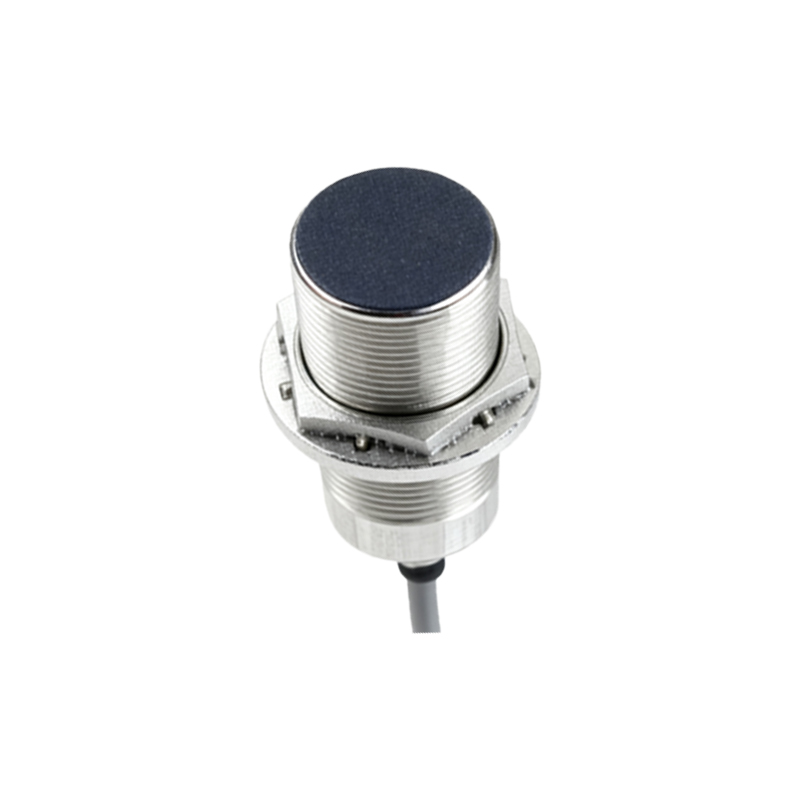
The significance of a meticulous selection process is multifaceted. Firstly, it ensures operational reliability. In high-speed assembly lines, for instance, an inductive proximity sensor chosen for its ability to detect metallic objects with millisecond response times prevents jams and ensures seamless production flow. Selecting the wrong type, such as using a capacitive sensor where an inductive one is needed for metal detection, could lead to frequent false triggers or missed detections, causing costly downtime.
Secondly, selection is directly tied to system accuracy and repeatability. Different sensor technologies offer varying levels of precision. For example, selecting a laser-based proximity sensor for precise distance measurement in robotic positioning offers micron-level accuracy, whereas an ultrasonic sensor might be chosen for longer-range detection of varied materials, albeit with slightly less precision. The choice defines the system's capability to perform consistent, accurate operations.
Thirdly, environmental robustness is a decisive factor. Industrial settings can be harsh, involving exposure to oils, coolants, extreme temperatures, and electromagnetic interference. The purpose of selecting a sensor with an appropriate Ingress Protection (IP) rating, temperature range, and housing material (e.g., stainless steel for corrosive environments) is to guarantee uninterrupted performance. A sensor failing due to environmental stress can compromise an entire safety circuit or process line.

Furthermore, the selection impacts cost-effectiveness, encompassing both initial investment and total cost of ownership. While a photoelectric sensor might have a higher initial cost than a basic inductive model, its purpose in detecting non-metallic objects from a longer distance may eliminate the need for additional mechanical fixtures, proving more economical in the long run. Conversely, over-specifying a sensor with capabilities far beyond the application's needs constitutes an unnecessary capital expenditure.
The choice of output type (e.g., NPN/PNP, analog, IO-Link) is another layer of purpose-driven selection. It determines the sensor's compatibility with the existing Programmable Logic Controller (PLC) or control system. Selecting a sensor with IO-Link capability, for example, serves the purpose of enabling advanced diagnostics, parameterization, and data exchange, paving the way for predictive maintenance and Industry 4.0 integration.
Finally, the significance extends to safety. In applications where machine guarding or personnel safety is concerned, selecting a safety-rated proximity sensor designed with redundant circuits and forced guided contacts is not an option but a regulatory and ethical imperative. Its purpose is to provide a fail-safe detection that helps prevent accidents.
In conclusion, the purpose of selecting a proximity sensor transcends simple component procurement. It is a strategic engineering activity aimed at aligning sensor capabilities with specific operational, environmental, and economic goals. A well-considered selection ensures enhanced system reliability, precision, durability, and safety, thereby safeguarding productivity and driving the overall success of automated industrial operations. The significance lies in the fact that these small, often overlooked components are, in truth, the sensory organs of modern automation, and choosing the right one is fundamental to creating a system that is not only functional but also intelligent and resilient.