In the realm of industrial automation and precision engineering, the demand for accurate, reliable, and non-contact measurement solutions is paramount. The VQ laser distance sensor stands as a pivotal technology in this domain, offering unparalleled performance for a wide array of applications. This article delves into the operational principles, key features, and practical implementations of VQ laser sensors, providing a comprehensive overview for engineers and system integrators.
At its core, a VQ laser distance sensor operates on the time-of-flight (ToF) principle or phase-shift measurement, depending on the specific model and required precision. The sensor emits a modulated laser beam towards a target. The beam reflects off the target surface and returns to the sensor's receiver. By precisely calculating the time delay or phase difference between the emitted and reflected signals, the sensor determines the distance to the target with high accuracy. This non-contact method eliminates mechanical wear and allows for measurements on delicate, hot, or moving objects where traditional contact probes would fail.
Key technical specifications define the superiority of VQ laser sensors. Measurement range is a primary consideration, with VQ series typically offering options from a few centimeters up to several hundred meters, catering to both close-quarter inspections and large-scale surveying. Accuracy and resolution are exceptional, often reaching sub-millimeter levels, which is critical for quality control in manufacturing, such as verifying component dimensions or checking fill levels in containers. The response time is remarkably fast, enabling real-time monitoring and control in high-speed production lines. Furthermore, these sensors are designed with robust housings, often rated IP67 or higher, ensuring reliable operation in harsh industrial environments characterized by dust, moisture, and vibration.
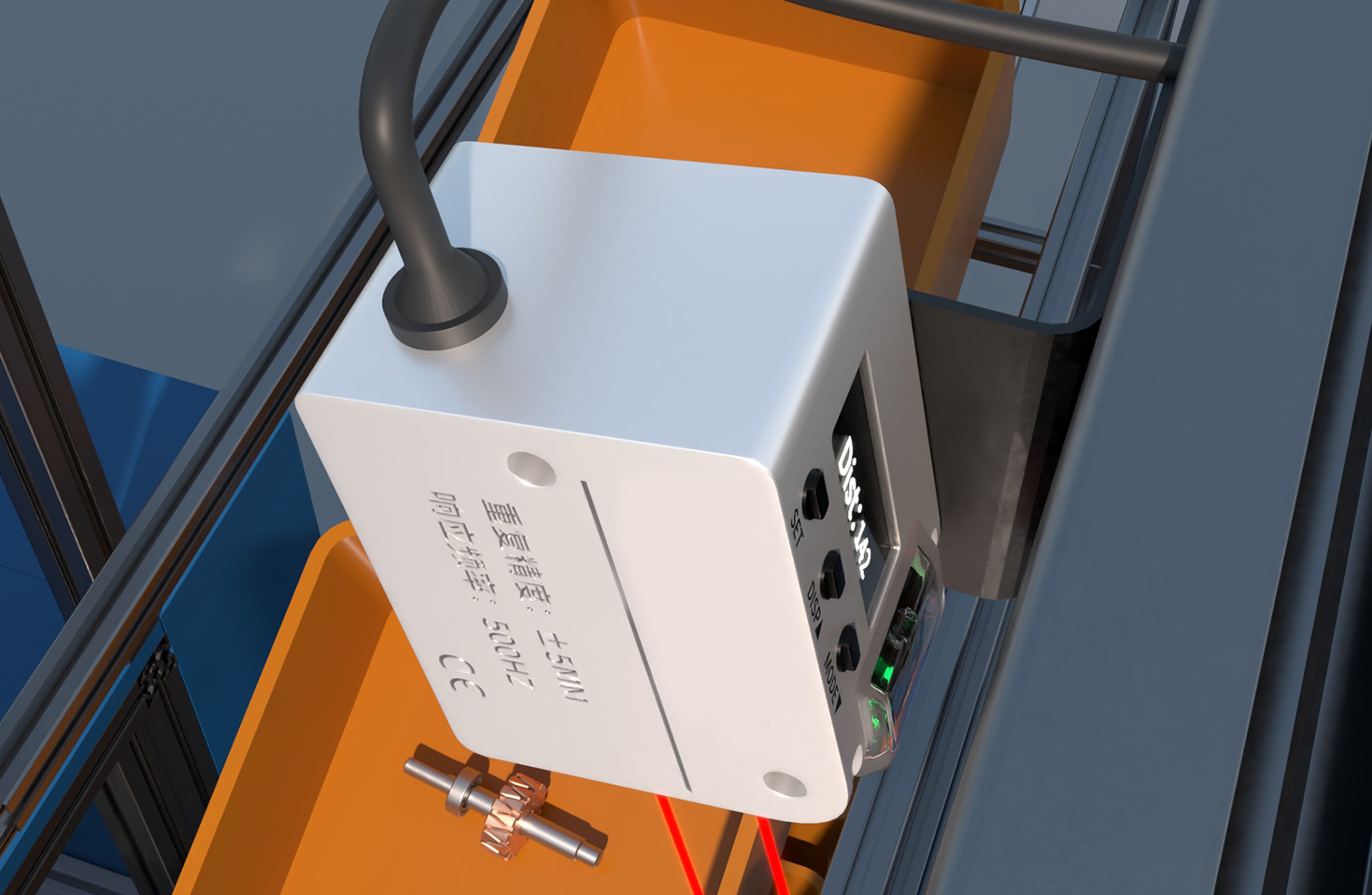
The integration of VQ laser sensors into automation systems is streamlined through various output interfaces. Common options include analog outputs (4-20 mA, 0-10 V), digital interfaces like RS-232, RS-485, or Ethernet, and industrial fieldbus protocols such as PROFINET or EtherNet/IP. This flexibility allows seamless connection to PLCs (Programmable Logic Controllers), SCADA systems, and data acquisition units. Advanced models may incorporate intelligent features like programmable measurement windows, multi-point averaging, and internal data logging, reducing the processing load on the central controller.

Practical applications of VQ laser distance sensors are vast and diverse. In the automotive industry, they are used for robot guidance, weld seam tracking, and gap measurement between body panels. In logistics and warehousing, they facilitate palletizing, dimensioning of packages, and automated guided vehicle (AGV) navigation. Within the semiconductor and electronics sector, these sensors ensure precise positioning of wafers and components. They are also indispensable in construction for monitoring structural deformation and in agriculture for controlling the height of harvesting equipment. The ability to measure through glass or transparent films further expands their utility in specialized packaging lines.
When selecting a VQ laser sensor for a specific task, several factors must be evaluated. The target surface properties—such as color, reflectivity, and texture—can influence measurement stability. Dark or absorbent surfaces may require sensors with higher laser power or special receiver sensitivity. The environmental conditions, including ambient light interference and temperature fluctuations, must also be considered. Manufacturers often provide detailed datasheets with correction factors and performance graphs under varying conditions. Regular maintenance, primarily lens cleaning and verification checks against a known reference, is recommended to sustain long-term accuracy.
In conclusion, the VQ laser distance sensor represents a sophisticated and essential tool for modern industrial measurement. Its combination of high precision, rapid response, and environmental robustness makes it a cornerstone technology for enhancing efficiency, quality, and safety in automated processes. As Industry 4.0 and smart factory concepts continue to evolve, the role of precise distance measurement, as enabled by sensors like the VQ series, will only grow in significance, driving further innovations in automation and control systems.
