In the realm of industrial automation and control, proximity sensors are indispensable components, acting as the "eyes" of machinery to detect the presence or absence of objects without physical contact. Their reliability, speed, and durability make them fundamental across diverse sectors, from automotive assembly lines to packaging machinery. Understanding the core working principle of these sensors is crucial for selecting the right type for a specific application and ensuring optimal system performance. At its essence, a proximity sensor operates by emitting a field or beam of electromagnetic radiation and then monitoring for changes in that field or the return signal caused by a target object entering its sensing range.
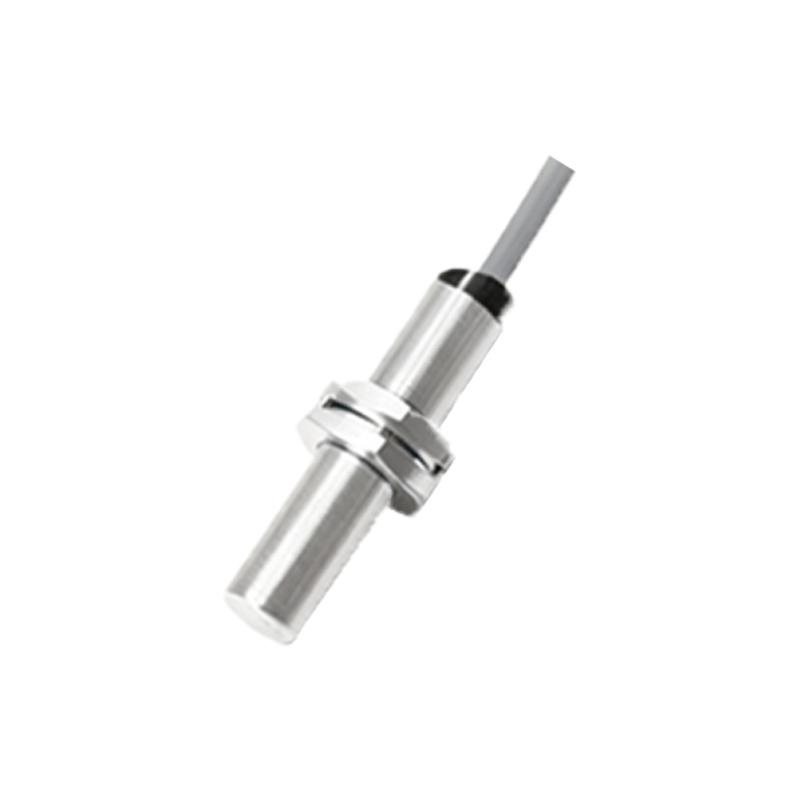
The most prevalent types are inductive, capacitive, ultrasonic, and photoelectric sensors, each based on a distinct physical principle. Inductive proximity sensors are the workhorses for detecting metallic objects. Their working principle relies on electromagnetic induction. The sensor's active face contains a coil that is part of an oscillator circuit, generating a high-frequency electromagnetic field. When a conductive metal target enters this oscillating field, eddy currents are induced on the surface of the target. These eddy currents draw energy from the sensor's oscillator, causing a reduction in the oscillation amplitude. An internal circuit monitors this amplitude change. Once the amplitude drops below a predefined threshold—indicating the target is within the specified sensing distance—the sensor's output state switches, typically from OFF to ON (or vice-versa). This non-contact detection is highly reliable for metals, with factors like target material (ferrous vs. non-ferrous), size, and shape influencing the nominal sensing distance.
Capacitive proximity sensors share a similar electronic structure but function on the principle of capacitance change. They can detect both metallic and non-metallic materials, such as plastics, wood, liquids, and granules. The sensor face acts as one plate of a capacitor, with the target object acting as the other plate, and the air gap as the dielectric. As a target approaches, the capacitance between the sensor and the target increases. The sensor's internal oscillator is designed to start oscillating only when this capacitance reaches a sufficient level. This oscillation is then evaluated, triggering an output switch. A sensitivity adjustment potentiometer is often provided to tune the sensor, allowing it to ignore certain materials (like a container wall) and detect the material inside, making it ideal for level detection applications.
Photoelectric sensors operate on an entirely different principle, using light. They consist of a light emitter (usually an LED producing visible red, infrared, or laser light) and a receiver. There are three main operational modes: through-beam, retro-reflective, and diffuse (proximity) mode. In the diffuse mode, which functions as a true proximity sensor, the emitter and receiver are housed in the same unit. The emitted light strikes a target and is diffusely reflected back to the receiver. The intensity of the reflected light is measured. When a target enters the sensing zone, the received light intensity surpasses a set threshold, causing the output to switch. The sensing range and performance are affected by the target's color, reflectivity, surface texture, and environmental conditions like dust or fog.
Ultrasonic proximity sensors utilize sound waves beyond human hearing. They contain a transducer that emits high-frequency ultrasonic pulses and then listens for the echo. The sensor measures the time interval between emitting the pulse and receiving its reflection. Based on the known speed of sound in air, the sensor calculates the distance to the target. When this distance falls below the preset sensing range, the output is activated. This technology is excellent for detecting objects regardless of color, transparency, or material, and is effective in challenging environments with dust, smoke, or vapors. However, factors like temperature (which affects sound speed), air turbulence, and highly absorbent target surfaces can influence accuracy.
Key operational characteristics defined by the working principle include the sensing distance, repeat accuracy, response frequency, and environmental robustness. For instance, inductive sensors excel in dirty, oily metalworking environments. Capacitive sensors are perfect for non-metallic substance detection but can be falsely triggered by humidity changes. Photoelectric sensors offer long ranges but require a relatively clean optical path. Ultrasonic sensors provide versatile detection but have slower response times compared to inductive types.
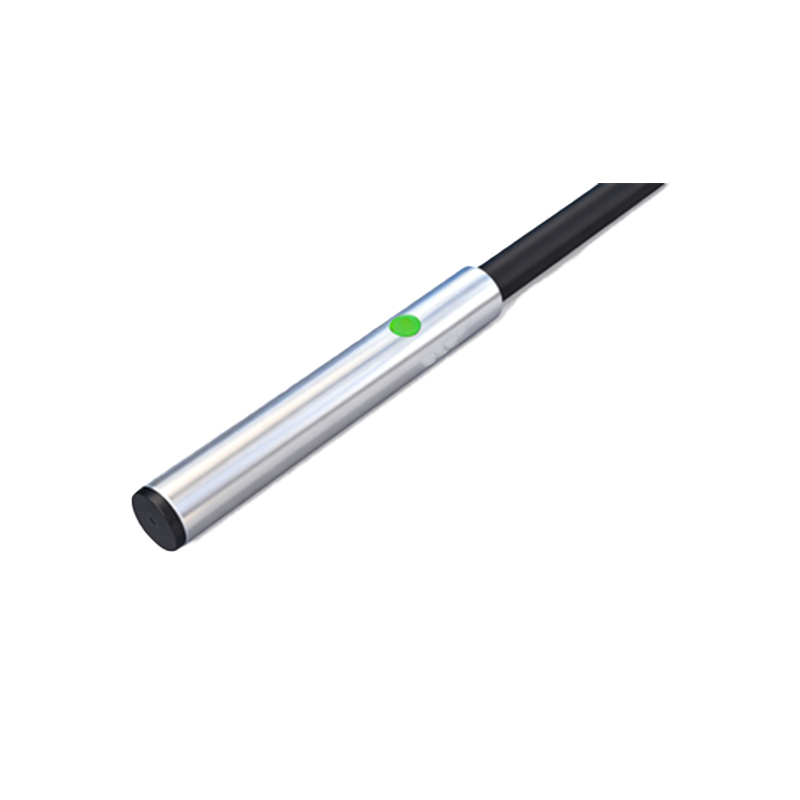
In conclusion, the working principle of a proximity sensor dictates its entire application profile. From the electromagnetic field disturbance in inductive sensors to the capacitance change, light reflection, and sound echo in others, each technology translates a physical interaction into a clean, switch-like electrical signal. A deep understanding of these principles—considering the target material, required sensing distance, environmental conditions, and required speed—enables engineers to deploy these sensors effectively, forming the backbone of efficient, safe, and intelligent automated systems. Proper selection and installation ensure machinery operates precisely, minimizes downtime, and enhances overall productivity.