Z laser sensors are critical components in modern industrial automation, offering high-precision measurement and detection capabilities. Proper configuration is essential to ensure accuracy, reliability, and longevity in demanding environments. This guide provides a comprehensive overview of configuring Z laser sensors, covering key parameters, setup procedures, and best practices for integration into various systems.
First, understand the basic operating principles of Z laser sensors. These devices typically use laser triangulation or time-of-flight methods to measure distance, position, or presence of objects. Before configuration, verify the sensor model specifications, including measurement range, resolution, response time, and environmental ratings such as IP protection and temperature tolerance. Ensure the sensor is compatible with your application requirements, whether for quality control, robotics, or material handling.
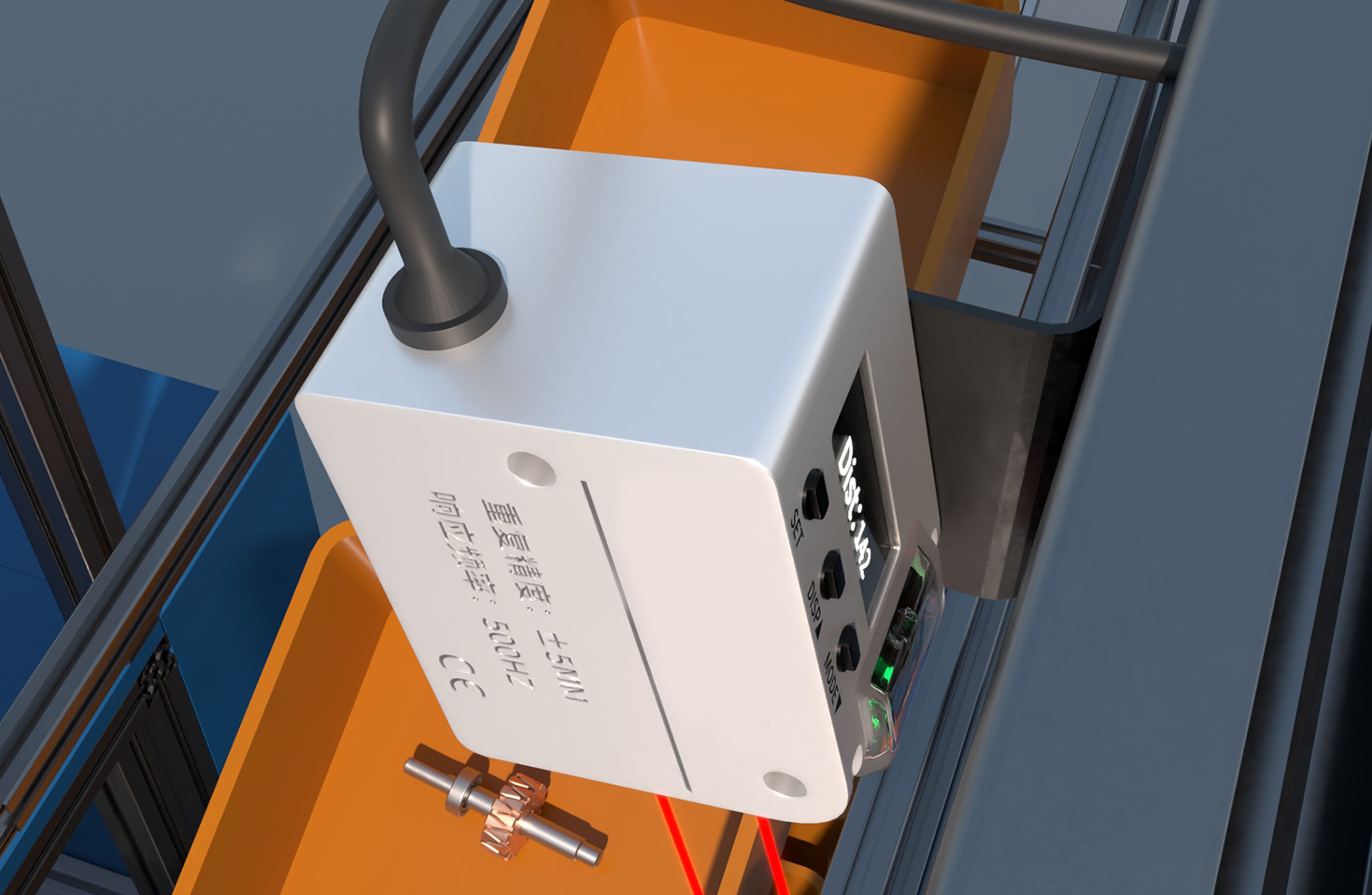
Start the configuration process by mounting the sensor securely. Use appropriate brackets and avoid vibrations or misalignment that could affect readings. Connect the sensor to a power supply and interface—common options include analog outputs (e.g., 4-20 mA, 0-10 V), digital I/O, or industrial protocols like IO-Link or Ethernet/IP. Follow the manufacturer's wiring diagram to prevent electrical issues.
Next, adjust the sensor parameters using software tools or onboard controls. Key settings include:
1. Measurement Range: Set the minimum and maximum detection distances based on your target objects.

2. Output Configuration: Define how the sensor communicates data, such as switching outputs for presence detection or analog signals for continuous measurement.
3. Sensitivity and Thresholds: Calibrate sensitivity to avoid false triggers from ambient light or reflective surfaces. Use filtering options to smooth data in noisy environments.
4. Sampling Rate: Optimize the update frequency to balance speed and accuracy for dynamic applications.
Calibration is crucial for precision. Perform a teach-in procedure by placing reference objects at known positions and saving these points. For distance sensors, use calibration targets with defined reflectivity. Regularly validate measurements against standards to maintain accuracy over time.
Integration with control systems requires attention to software settings. In PLC or SCADA environments, map sensor outputs to appropriate registers and program logic for data processing. For smart sensors with IO-Link, utilize parameterization features to store configurations and enable remote diagnostics.
Best practices include:
- Shielding the sensor from extreme conditions like dust, moisture, or electromagnetic interference.
- Implementing periodic maintenance checks for lens cleanliness and alignment.
- Documenting configurations for troubleshooting and replication across multiple units.
In summary, configuring Z laser sensors involves careful planning, parameter adjustment, and testing. By following these steps, engineers can maximize sensor performance, enhance system efficiency, and reduce downtime in industrial operations.