In the realm of modern smartphone technology, proximity sensors play a crucial yet often overlooked role. These tiny components are integral to enhancing user experience, conserving battery life, and preventing accidental touch inputs. But what exactly is a proximity sensor, and how does it function within a smartphone? This article delves into the underlying principles, types, and practical applications of proximity sensors in mobile devices.
At its core, a proximity sensor is an electronic device designed to detect the presence or absence of nearby objects without any physical contact. In smartphones, it typically uses infrared (IR) technology to sense when the device is close to a user's face during a call. The basic working principle involves an IR emitter and an IR receiver. The emitter sends out an infrared light beam, which, when reflected off an object (such as a face), is captured by the receiver. The sensor then measures the intensity of the reflected light to determine the distance between the object and the phone. If the object is within a predefined range—usually a few centimeters—the sensor triggers the smartphone to turn off the display and disable touch functionality. This prevents unintended screen interactions, like cheek-dialing, and reduces power consumption by deactivating the screen when not needed.
There are several types of proximity sensors used in smartphones, with the most common being the infrared-based sensor. Another variant is the capacitive proximity sensor, which detects changes in capacitance caused by conductive objects (like human skin) near the phone's surface. However, IR sensors are preferred in mobile devices due to their accuracy, low power usage, and ability to work in various lighting conditions. Some advanced models also incorporate ambient light sensors to adjust screen brightness automatically, further optimizing energy efficiency.
The applications of proximity sensors extend beyond phone calls. They are utilized in features like auto-brightness adjustment, gesture recognition, and power-saving modes. For instance, when a smartphone is placed in a pocket or bag, the sensor can detect the darkness and proximity to turn off the display entirely, minimizing battery drain. In gaming and augmented reality apps, proximity sensors enable intuitive controls by responding to hand movements near the device. Additionally, they contribute to safety by ensuring the screen remains off during calls, reducing exposure to electromagnetic radiation.
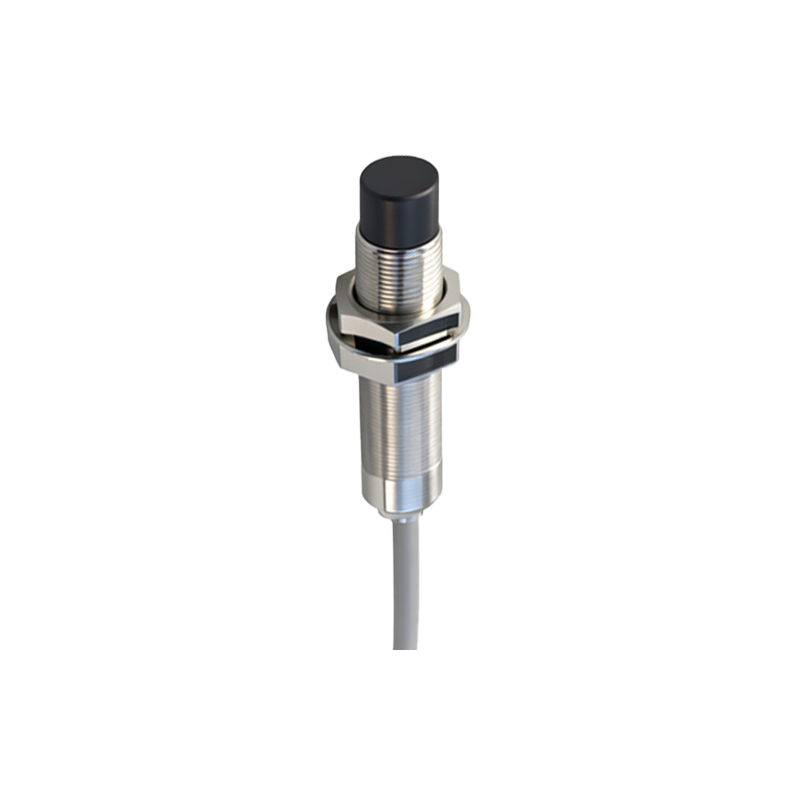
From an engineering perspective, the design and integration of proximity sensors require careful consideration of factors such as sensor placement, calibration, and interference mitigation. Manufacturers must position the sensor near the earpiece to accurately detect the user's face while avoiding obstructions from cases or screen protectors. Calibration involves setting threshold values for distance detection, which can vary based on environmental conditions like temperature and humidity. Interference from external IR sources, such as sunlight or other electronic devices, is minimized through filtering algorithms and shielding techniques.
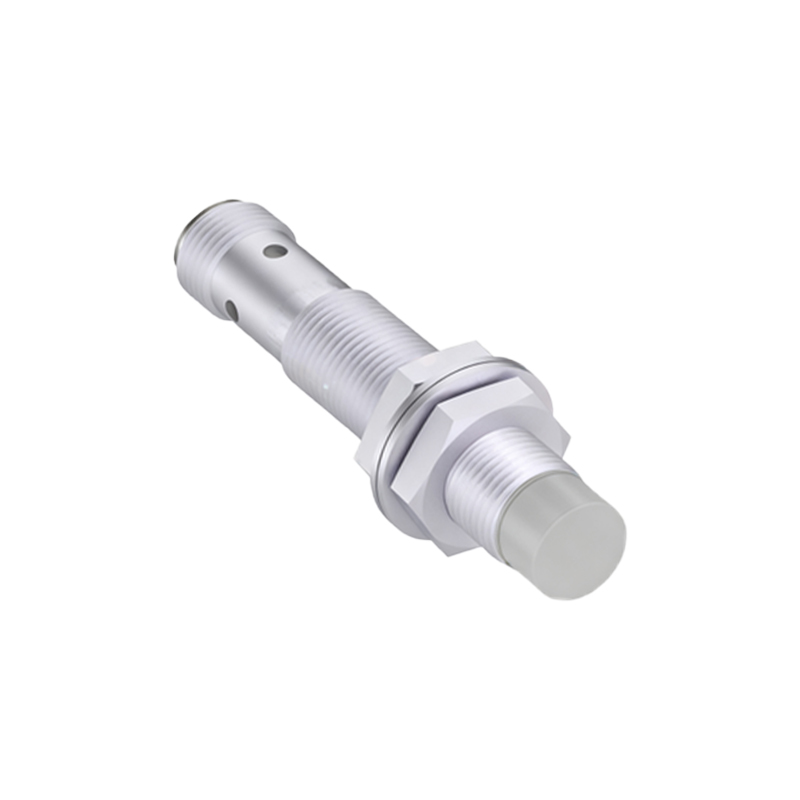
In conclusion, proximity sensors are vital components that enhance smartphone functionality through non-contact detection. By leveraging infrared technology, they provide a seamless user experience by preventing accidental inputs and conserving battery life. As smartphones evolve, these sensors are likely to become more sophisticated, integrating with other sensors for improved performance in areas like health monitoring and human-computer interaction. Understanding their principles helps appreciate the intricate engineering behind everyday mobile devices.