In modern industrial manufacturing, precision and efficiency are paramount. Laser sensor width detection has emerged as a critical technology for ensuring product quality, optimizing processes, and reducing waste. This article delves into the principles, applications, and benefits of laser-based width measurement systems, providing insights for engineers and industry professionals seeking to implement or enhance these solutions.
Laser sensors operate on the principle of triangulation or time-of-flight measurement. In width detection, a laser beam is projected onto the target material, such as a moving sheet of metal, plastic, or paper. The reflected light is captured by a receiver, and the sensor calculates the distance to the object's edges. By using multiple sensors or scanning techniques, the system determines the width with high accuracy, often within micrometer ranges. This non-contact method eliminates mechanical wear and avoids damaging sensitive materials, making it ideal for continuous production lines.
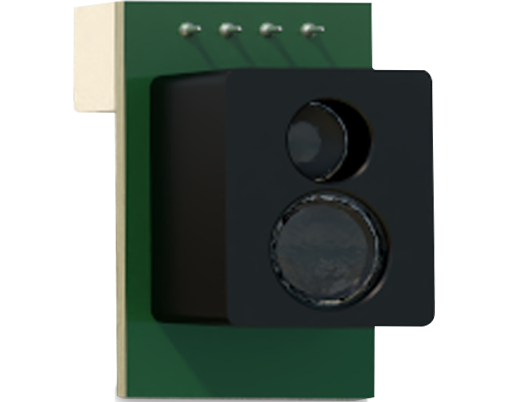
The core components of a laser width detection system include the laser emitter, optical elements, photodetector, and signal processing unit. Advanced systems incorporate high-speed processors and algorithms to filter noise, compensate for environmental factors like temperature fluctuations, and provide real-time data output. Integration with industrial networks, such as Ethernet/IP or PROFINET, allows seamless communication with PLCs and SCADA systems, enabling automated adjustments to machinery for consistent width control.

Applications span diverse industries. In steel and metal processing, laser sensors monitor strip width during rolling, ensuring compliance with tolerances and preventing edge defects. In the paper and converting industry, they measure web width to optimize slitting and coating processes, reducing material waste. Textile manufacturers use them to control fabric width, maintaining quality in weaving and finishing operations. Additionally, in plastics extrusion, width detection helps regulate die settings, ensuring uniform product dimensions.
Key advantages of laser width detection include high precision, fast response times, and reliability in harsh environments. Unlike contact methods, lasers are immune to vibration and do not require frequent calibration. They can measure opaque, transparent, or reflective surfaces with appropriate configurations, though challenges like ambient light interference or surface irregularities may require specialized sensors or filtering techniques. Modern systems often include user-friendly interfaces for setup and diagnostics, reducing downtime and training costs.
When selecting a laser sensor for width detection, engineers must consider factors such as measurement range, resolution, sampling rate, and environmental ratings. For instance, in high-temperature areas, sensors with cooling housings or protective enclosures are essential. Regular maintenance, including lens cleaning and alignment checks, ensures long-term accuracy. Emerging trends involve integrating AI for predictive analytics, enabling proactive adjustments and further enhancing efficiency.
In conclusion, laser sensor width detection is a versatile and robust technology driving quality and productivity in industrial settings. By understanding its principles and applications, engineers can leverage these systems to achieve tighter control, reduce scrap, and meet evolving market demands. As industries advance toward smarter manufacturing, the role of precise, non-contact measurement will only grow in importance.
