Inductive proximity sensors are pivotal components in modern industrial automation, offering non-contact detection of metallic objects with high reliability and durability. As the demand for precision and efficiency grows across manufacturing, packaging, and automotive sectors, selecting the right brand becomes crucial for optimal performance. This article explores leading brands in the inductive proximity sensor market, highlighting their innovations, product ranges, and industry applications.
Siemens stands out as a global powerhouse, renowned for its SIMATIC series sensors that integrate seamlessly with automation systems. These sensors feature robust designs resistant to harsh environments, such as extreme temperatures and vibrations, making them ideal for heavy machinery and automotive assembly lines. Siemens emphasizes smart sensor technology, enabling predictive maintenance through IoT connectivity, which reduces downtime and enhances productivity.
Omron, a Japanese leader, excels in compact and high-precision sensors, like the E2E series, which offer extended sensing ranges and noise immunity. Omron’s focus on miniaturization allows for installation in tight spaces without compromising detection accuracy. Their sensors are widely used in electronics manufacturing and robotics, where rapid response times and durability are essential. Omron also provides extensive customization options, catering to specific client needs in diverse industries.
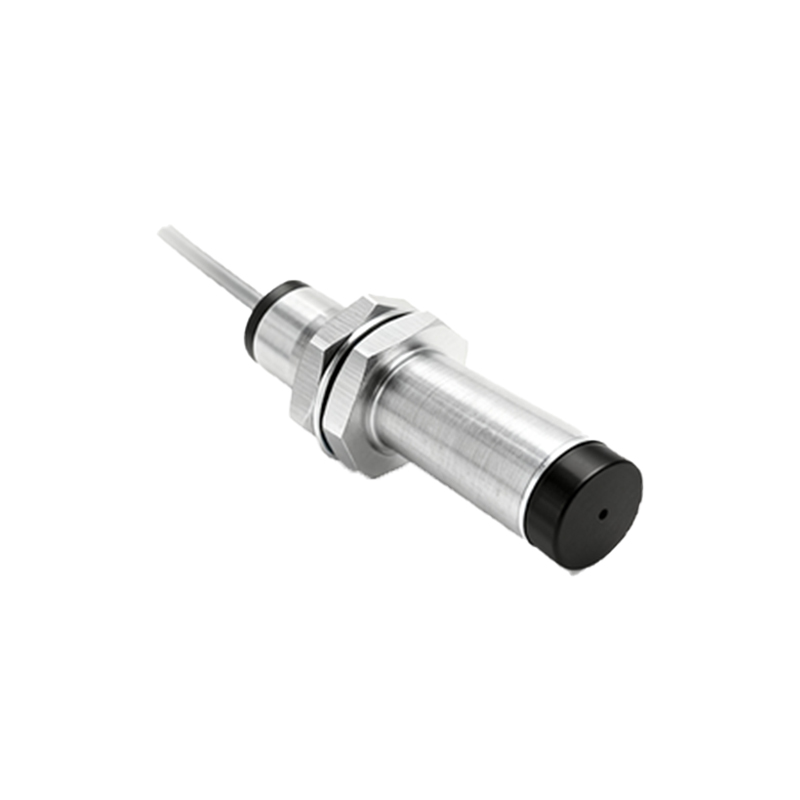
Pepperl+Fuchs, a German specialist, is celebrated for its innovation in hazardous area applications. Their inductive sensors, such as the NBB series, are certified for use in explosive atmospheres (ATEX/IECEx), ensuring safety in oil, gas, and chemical plants. Pepperl+Fuchs combines high switching frequencies with robust housing materials, like stainless steel, to withstand corrosive conditions. The brand’s emphasis on R&D has led to advancements in hybrid sensors that combine inductive and capacitive functions for versatile object detection.
Rockwell Automation, based in the U.S., offers Allen-Bradley branded sensors known for seamless integration with ControlLogix and CompactLogix PLCs. Their 871TM series emphasizes ease of configuration and diagnostics, featuring LED indicators and IO-Link communication for real-time data exchange. Rockwell’s sensors are favored in food and beverage industries due to hygienic designs that resist washdowns and contaminants, supporting clean manufacturing processes.
Balluff, another German innovator, focuses on precision and flexibility with its BALLUFF inductive sensors. Their product line includes miniature sensors for robotic arms and high-temperature variants for foundries. Balluff’s IO-Link-enabled sensors facilitate Industry 4.0 initiatives by providing detailed operational data, such as temperature and wear levels, to optimize system performance. The brand is also recognized for its global support network, ensuring quick service and parts availability.
Key trends shaping the market include the rise of smart sensors with embedded diagnostics, which alert users to potential failures before they occur. Brands are increasingly adopting IO-Link technology for standardized communication, enabling plug-and-play compatibility across automation platforms. Additionally, sustainability drives development of energy-efficient sensors with low power consumption, aligning with green manufacturing goals.
When choosing a brand, engineers should consider factors like sensing range, environmental ratings (e.g., IP67 for dust and water resistance), and compatibility with existing control systems. Leading brands often provide online configurators and technical support to aid selection. As industries evolve toward digitalization, investing in reputable brands ensures long-term reliability and adaptability in dynamic operational environments.
In summary, Siemens, Omron, Pepperl+Fuchs, Rockwell Automation, and Balluff dominate the inductive proximity sensor landscape through continuous innovation and tailored solutions. Their contributions enhance automation efficiency, safety, and connectivity, paving the way for smarter industrial ecosystems.