In the rapidly evolving landscape of industrial automation and smart manufacturing, proximity sensors have become indispensable components. They provide non-contact detection of objects, enabling precise control, safety, and efficiency in countless applications, from assembly lines and robotics to automotive and packaging machinery. For Original Equipment Manufacturers (OEMs), system integrators, and maintenance teams, sourcing these critical components reliably and efficiently is paramount. This is where proximity sensor distributors, or authorized agents, play a crucial role. They are the vital link between leading sensor manufacturers and the end-users who implement the technology.
So, who exactly are proximity sensor distributors? They are specialized companies authorized by sensor manufacturers to sell, and often support, their products within specific geographic regions or market segments. Unlike general electronic component suppliers, a dedicated proximity sensor distributor possesses deep technical expertise in sensor technologies, including inductive, capacitive, ultrasonic, and photoelectric types. Their value extends far beyond mere transactional sales. A reputable distributor acts as a solutions provider, offering critical services such as technical consultation, product selection assistance, sample provisioning, local inventory holding, and after-sales support. They understand the nuances of application requirements—be it sensing different materials, operating in harsh environments with extreme temperatures or washdown conditions, or meeting specific output configurations (PNP/NPN, NO/NC).
The global market features a diverse ecosystem of distributors, ranging from large multinational corporations to specialized regional players. Major broad-line electronic distributors often carry proximity sensors from several top brands as part of their extensive automation portfolios. Conversely, many manufacturers rely on a network of smaller, focused distributors who are experts in their specific product lines and can offer highly personalized service. The choice between these models depends heavily on the buyer's needs: a multinational corporation might prioritize global supply agreements with a large distributor, while a local machine builder may value the fast response and deep application knowledge of a regional specialist.
Identifying and selecting the right proximity sensor distributor requires careful consideration. Here are key factors to evaluate:
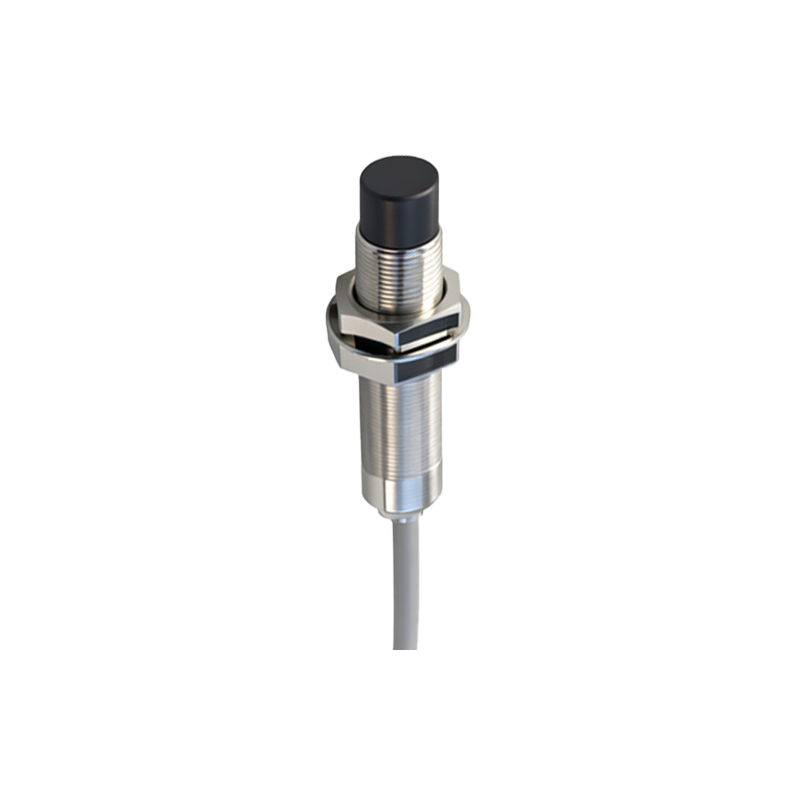
1. Manufacturer Authorization & Portfolio: First and foremost, ensure the distributor is officially authorized by the sensor brands you trust or need. Authorization guarantees access to genuine, warranty-backed products. Assess the breadth and depth of their portfolio—do they specialize in one brand, or offer a curated selection from multiple leaders? A diverse portfolio can provide objective comparisons and alternative solutions.
2. Technical Expertise and Support: The distributor's engineering support capability is critical. Can their sales engineers understand your application schematic and recommend the optimal sensor type, size, and sensing distance? Do they offer pre-sales consultation, application testing, or troubleshooting assistance? This expertise saves significant design time and prevents costly errors.
3. Supply Chain and Logistics Strength: Reliability of supply is non-negotiable in today's environment. Investigate the distributor's inventory management. Do they maintain substantial local stock of common models for quick shipment? What is their process for handling backorders or allocating scarce components? Strong logistics ensure minimal production downtime.
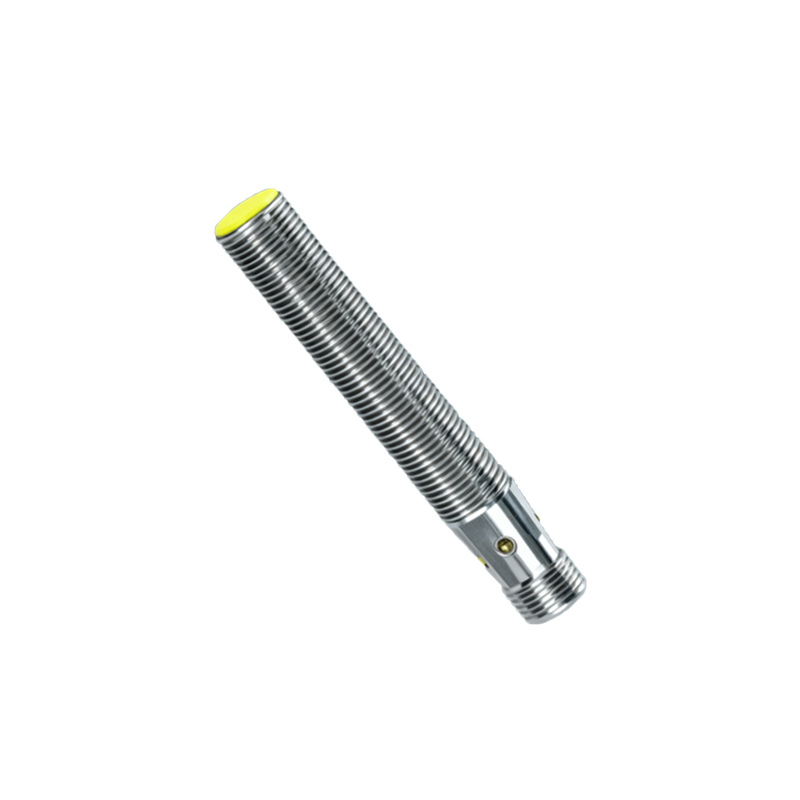
4. Value-Added Services: Beyond the product, consider services like kitting, custom labeling, programming, or light assembly. Some distributors also offer rental equipment, calibration services, or repair facilities. These services can streamline your operations.
5. Digital Capabilities: A modern distributor should provide robust digital tools: an easy-to-navigate website with real-time inventory, detailed product datasheets, CAD models for download, and online purchasing options. This facilitates efficient procurement for repeat orders and new designs.
6. Reputation and Longevity: Seek distributors with a proven track record in the industrial sector. Client testimonials, case studies, and years in business are indicators of stability and reliability. A partner invested in a long-term relationship is more likely to go the extra mile.
Establishing a partnership with a competent proximity sensor distributor is a strategic business decision. The right partner does more than fill purchase orders; they become an extension of your engineering team, contributing to product innovation, cost optimization, and supply chain resilience. They keep you informed about new product developments, regulatory changes, and industry trends. In a field where sensor performance directly impacts machine uptime and product quality, choosing a distributor based solely on the lowest unit price is often a short-sighted approach. The true cost includes factors like lead time, technical support quality, and the risk of counterfeit components.
Therefore, invest time in vetting potential distributors. Engage in detailed technical discussions, request samples for testing, and evaluate their responsiveness. The ideal proximity sensor agent is not just a supplier, but a trusted advisor who ensures that the invisible "eyes" of your automation systems perform flawlessly, driving productivity and competitive advantage for your business.