In the rapidly evolving landscape of industrial automation and smart systems, high-tech proximity sensors stand as critical components for enabling non-contact detection, precise positioning, and enhanced operational safety. These sensors, which detect the presence or absence of an object without physical contact, have seen significant advancements in technology, leading to a diverse range of specifications and models tailored for specific applications. Understanding their key parameters is essential for optimal system integration.
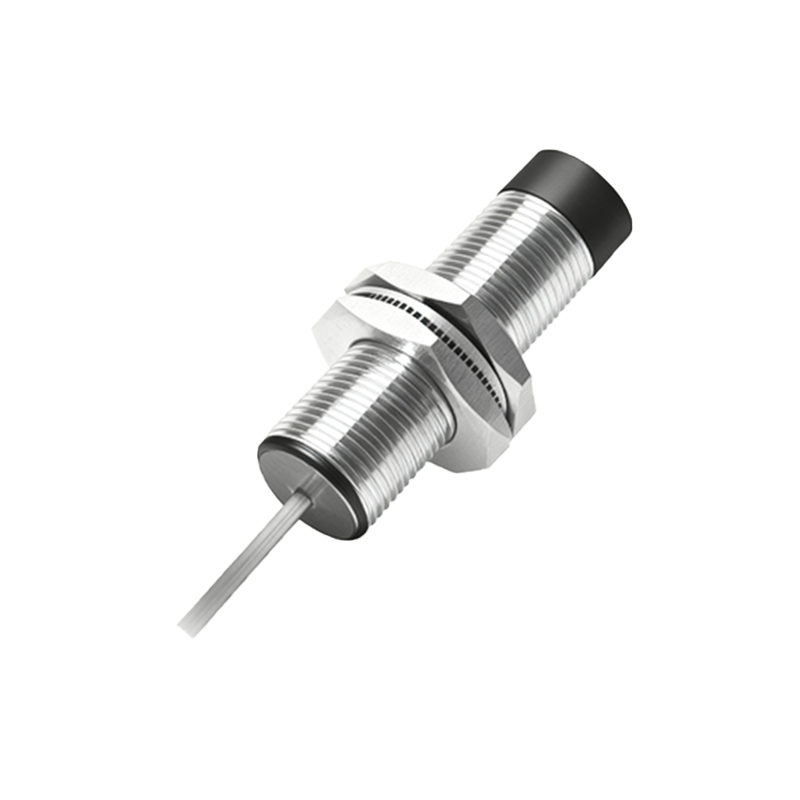
The core technologies underpinning modern proximity sensors primarily include Inductive, Capacitive, Ultrasonic, and Photoelectric principles. Inductive proximity sensors are the workhorses for detecting metallic objects. Key specifications for these models, such as the Omron E2E-X series or Sick IME series, include sensing distance (e.g., 2mm to 40mm), output type (NPN/PNP, NO/NC), switching frequency (up to 5 kHz for high-speed applications), housing material (typically nickel-plated brass or stainless steel for durability), and environmental ratings like IP67 or IP69K for resistance to dust and water. The choice of shielded (flush mountable) or unshielded models significantly impacts installation and sensing field interference.
Capacitive proximity sensors, like the Pepperl+Fuchs C series or Balluff BCS models, can detect both metallic and non-metallic materials (liquids, plastics, wood). Their specifications emphasize sensitivity adjustment, often via a potentiometer, to tune for different materials. Sensing ranges are generally shorter than inductive types, and factors like the dielectric constant of the target material are crucial in model selection. They are indispensable in packaging, liquid level control, and material handling.
Ultrasonic sensors offer the longest sensing ranges, from a few centimeters to several meters. Models such as the Banner Q45 or Sick UM series excel in distance measurement and presence detection regardless of color, transparency, or material. Critical specs here include sensing range (e.g., 30mm to 8m), resolution (accuracy in distance measurement), response time, and beam angle. Advanced features like temperature compensation and analog output (4-20mA, 0-10V) are common in high-end models for continuous monitoring tasks.
Photoelectric sensors, with variants like through-beam, retro-reflective, and diffuse reflective, represent a broad category. High-tech models, including the Keyence FX series or Sick W series, boast laser or polarized light sources for extreme precision. Specifications focus on light source (LED, Laser), sensing distance (from a few mm for diffuse to over 100m for through-beam), light spot size, and specialized functions such as background suppression or foreground suppression. Their ability to detect tiny objects or differentiate colors makes them vital in electronics assembly and logistics.
When selecting a proximity sensor model, engineers must cross-reference several specification sheets. The operating voltage (commonly 10-30V DC or 90-250V AC), current consumption, and output configuration must match the control system (PLC). The housing size and shape (cylindrical M8/M12/M18/M30, rectangular) dictate mechanical fit. Temperature range (typically -25°C to +70°C for standard models) and resistance to chemicals or welding spatter (found in specific Turck RI or IFM welding-duty models) are vital for harsh environments. Furthermore, connectivity is evolving; IO-Link enabled sensors, such as those in the Balluff B IO-Link series, provide advanced diagnostics, parameter setting, and process data exchange, elevating sensors from simple switches to smart devices.
In conclusion, the specification landscape for high-tech proximity sensors is detailed and application-driven. From robust inductive sensors on a robotic welding cell to sensitive capacitive sensors in a pharmaceutical bottling line, the correct model choice hinges on a meticulous analysis of target material, required sensing distance, environmental conditions, and desired data intelligence. Consulting detailed datasheets and leveraging the expertise of manufacturers is paramount to deploying sensors that ensure reliability, efficiency, and longevity in any automated system.