In the realm of industrial automation, proximity sensors are indispensable for object detection, positioning, and control. However, detecting black plastic objects presents a unique set of challenges that standard sensors often fail to address effectively. This article delves into the technical intricacies of selecting and applying proximity sensors specifically engineered for reliable black plastic detection.
The primary challenge with black plastic lies in its material properties. Many plastics, especially black ones, are non-metallic and have low dielectric constants. Furthermore, the carbon black filler commonly used for coloration absorbs a significant portion of visible and infrared light. This combination makes them nearly invisible to conventional photoelectric sensors and less responsive to standard inductive proximity sensors, which are designed primarily for metals.
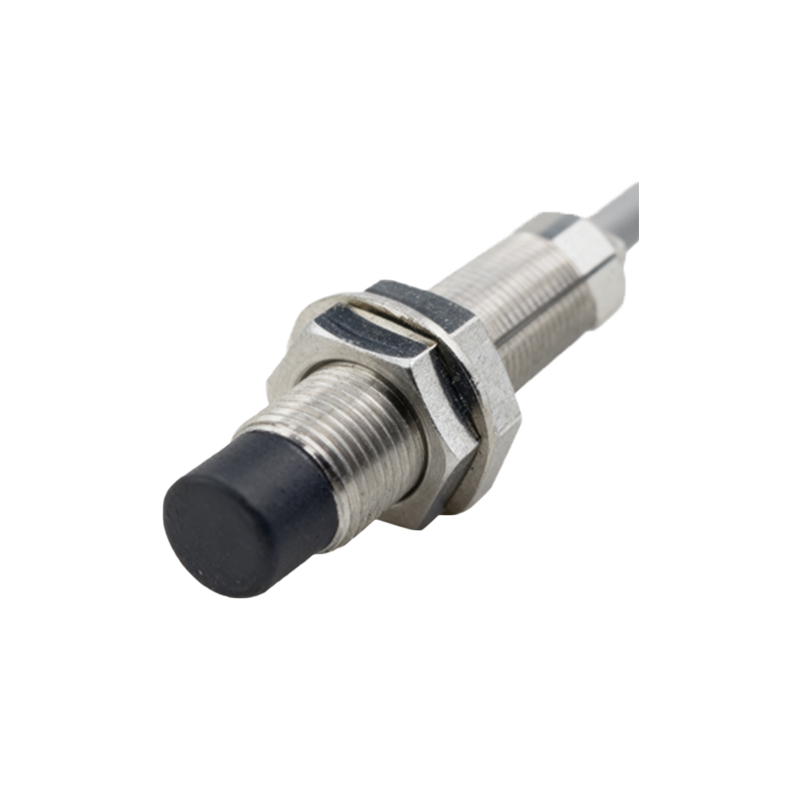
To overcome these hurdles, specialized sensors have been developed. The most prevalent and effective technology for this application is the Diffuse Reflective Photoelectric Sensor with Background Suppression (BGS) or True Background Suppression (TBS). Unlike standard diffuse sensors that measure the total amount of reflected light, BGS/TBS sensors utilize triangulation principles. They evaluate the angle of the reflected light rather than just its intensity. This allows the sensor to precisely detect an object within a defined sensing window while ignoring objects beyond a set distance (the background), regardless of their color or reflectivity. For a matte black plastic part that reflects minimal light, this technology can reliably distinguish it from a similarly dark conveyor belt.
Another critical technology is the Capacitive Proximity Sensor. Since all materials, including plastics, affect an electrostatic field, capacitive sensors can detect non-metallic objects. They work by generating an electrostatic field and detecting changes in capacitance caused by the presence of an object. The key for black plastic is that the sensor's sensitivity can be adjusted to compensate for the material's low dielectric constant. Modern capacitive sensors offer excellent temperature and humidity stability, making them suitable for harsh industrial environments where black plastic components are often handled.
For applications requiring very small sensing distances or detection of fine details on black plastic, Fiber-Optic Photoelectric Sensors paired with appropriate amplifiers are an excellent choice. The small sensing head can be easily integrated into tight spaces. By selecting a polarized or coaxial fiber optic model, issues with glossy black surfaces causing specular reflection can be mitigated. The amplifier can be fine-tuned to the exact contrast level between the black plastic and its background.
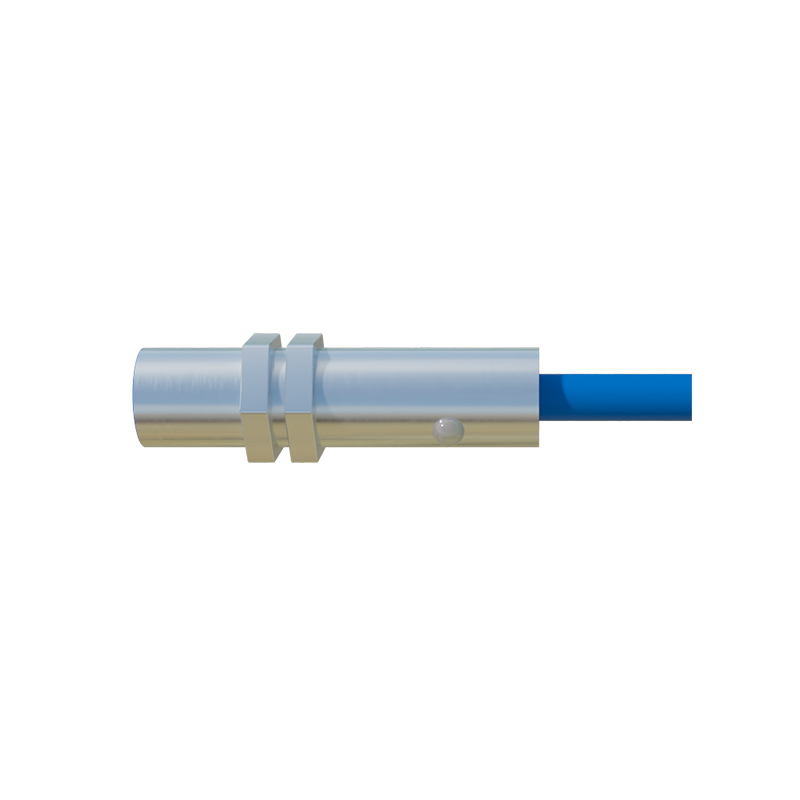
Ultrasonic Sensors offer a completely different, color-independent solution. They measure the time-of-flight of sound waves and are entirely unaffected by the color, transparency, or material composition of the target object. For detecting black plastic bins, large panels, or stacked items on a pallet, ultrasonic sensors provide consistent performance. Their limitations include a slower response time compared to photoelectric sensors and potential interference from soft, sound-absorbing materials or highly irregular surfaces.
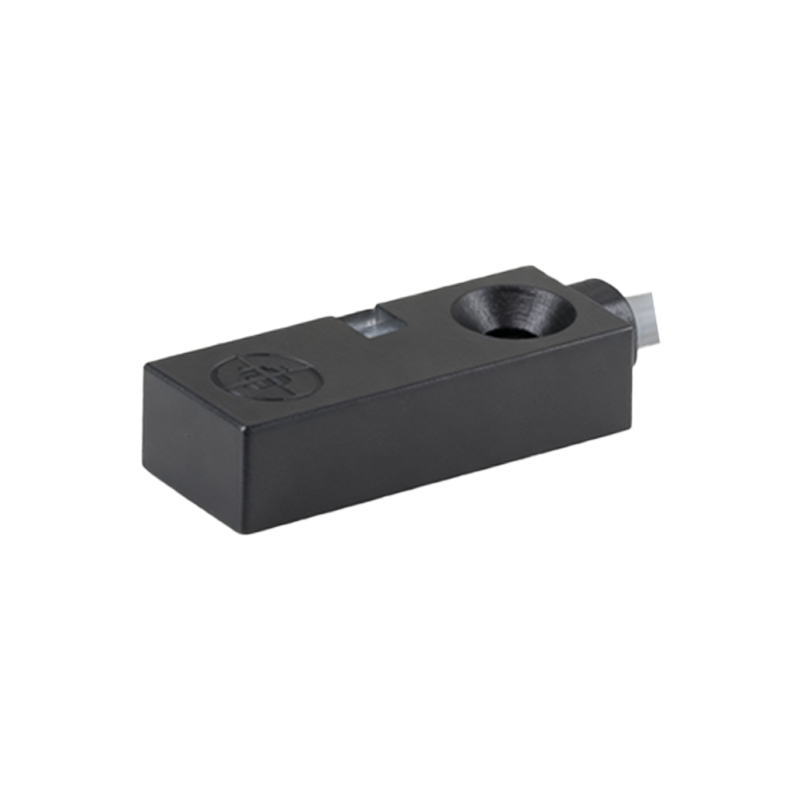
When integrating a sensor for black plastic, several application-specific factors must be considered:
1. Surface Finish: Glossy black plastic can act like a mirror, reflecting light away from a photoelectric sensor. A matte or textured finish is more detectable. Sensor selection (e.g., using a polarized lens) must account for this.
2. Environmental Conditions: Oil, dust, and ambient light can severely impact photoelectric sensor performance. Selecting sensors with high IP ratings, robust housings, and modulated LED light sources (to ignore ambient light) is crucial.
3. Sensing Distance: Always derate the nominal sensing distance listed in the datasheet. For black plastic, the effective sensing distance can be 50% or less of the rated value for a standard white reference target.
4. Setup and Tuning: Modern sensors feature teach-in buttons, potentiometers, or IO-Link digital communication for precise setting of the switching threshold. Meticulous setup is non-negotiable for stable operation.
In conclusion, the myth that black plastic is undetectable is just that—a myth. By understanding the material's properties and leveraging specialized sensing technologies like Background Suppression Photoelectric, Adjustable Capacitive, Fiber-Optic, and Ultrasonic sensors, engineers can design robust and reliable detection systems. The cornerstone of success remains a thorough analysis of the specific application, followed by the selection of a sensor whose technological strengths directly counter the challenges posed by black plastic. This ensures seamless automation, reduces downtime, and maintains high quality control standards in packaging, automotive, electronics assembly, and material handling industries.