In the realm of modern cinema and home entertainment, the seamless integration of technology is paramount to delivering an immersive experience. While audiences often focus on visual and auditory elements, the role of proximity sensors—a staple in industrial automation and electrical engineering—remains an unsung hero in elevating movie-watching. These sensors, typically used for detecting the presence or absence of objects without physical contact, have found innovative applications in theaters and home setups, ensuring convenience, safety, and enhanced interactivity.
In commercial theaters, proximity sensors are deployed to automate various functions, reducing human intervention and creating a smoother flow. For instance, as patrons approach entrance doors or concession stands, motion-activated sensors trigger automatic openings, minimizing queues and disruptions. This not only improves accessibility but also maintains a dark, focused environment during screenings by eliminating unnecessary light from manually operated doors. Additionally, sensors embedded in seating areas can detect occupancy, allowing theater management to optimize lighting and climate control based on real-time audience density. In premium venues, proximity sensors in recliner seats adjust positioning and activate built-in features like haptic feedback or cup-holder lighting when a viewer is seated, adding a layer of personalized comfort.
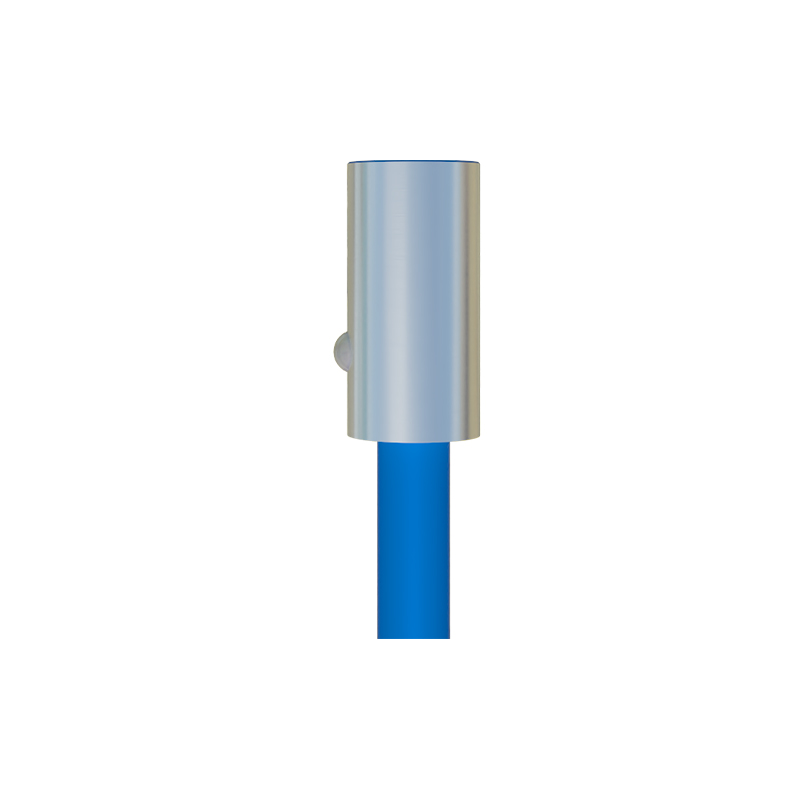
Home entertainment systems have also embraced proximity sensor technology, particularly in smart home integrations. High-end projectors and televisions often incorporate sensors to detect viewer presence, automatically powering on or off to conserve energy. For example, a proximity sensor can sense when someone enters the room, turning on the screen and adjusting ambient lighting via connected smart bulbs to reduce glare. Conversely, if the sensor detects no movement for a set period, it may dim the display or switch to standby mode, enhancing energy efficiency. In gaming or VR-based movie experiences, handheld controllers with proximity sensors enable gesture-based controls, allowing users to pause, play, or adjust volume with simple hand movements, minimizing the need for remote controls that can break immersion.
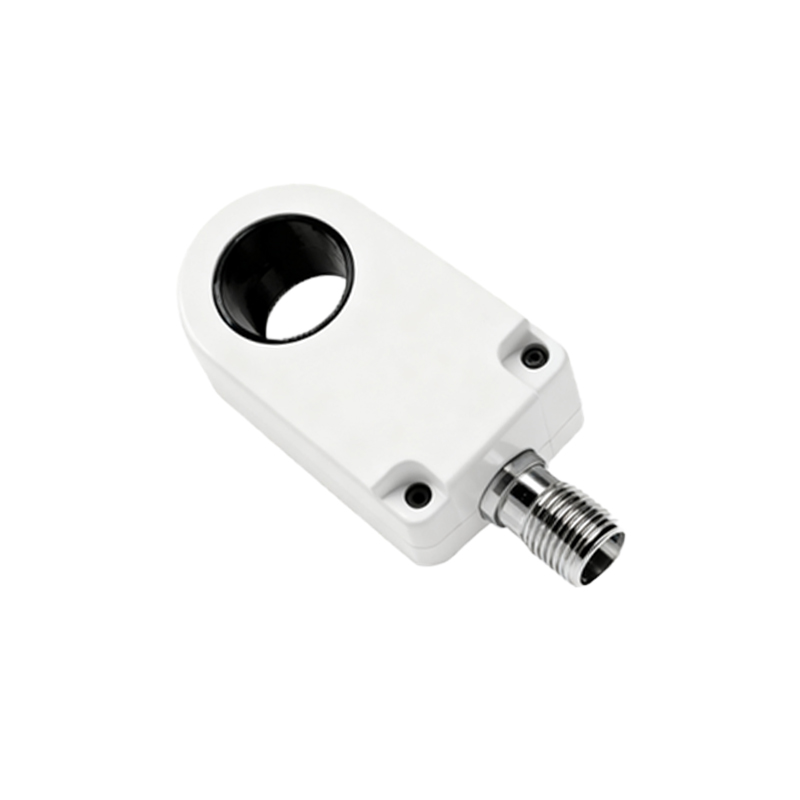
From a technical perspective, proximity sensors used in entertainment settings are often based on infrared (IR), ultrasonic, or capacitive principles, similar to their industrial counterparts. IR sensors emit light beams to detect obstacles, ideal for touchless interfaces in dark theaters, while ultrasonic sensors measure distance via sound waves, useful for occupancy tracking. Capacitive sensors, which react to the electrical properties of the human body, are common in touch-sensitive panels for volume or brightness adjustment. Engineers must calibrate these sensors for sensitivity and range to avoid false triggers—such as mistaking a passing usher for a viewer—ensuring reliability without compromising the cinematic atmosphere.
Safety is another critical application, where proximity sensors contribute to hazard prevention. In theaters, sensors monitor emergency exits and aisles, alerting staff to obstructions that could impede evacuation during incidents. For home setups, sensors in motorized projector screens or pop-up speakers can halt movement if a person or pet is detected too close, preventing accidents. This aligns with industrial safety protocols, repurposed for consumer environments to protect both equipment and users.
Looking ahead, the convergence of proximity sensors with AI and IoT promises even smarter movie experiences. Imagine sensors that not only detect presence but also analyze viewer engagement—adjusting screen contrast based on seating distance or triggering surround sound effects when movement indicates heightened interest. In interactive films, sensors could allow audiences to influence narratives through gestures, blurring the line between viewer and participant.
Ultimately, proximity sensors exemplify how electrical engineering innovations transcend traditional boundaries, quietly enhancing everyday activities like watching movies. By automating interactions and optimizing environments, they ensure that technology serves the story, not distracts from it. Whether in a bustling multiplex or a cozy living room, these sensors work behind the scenes to make entertainment more intuitive, efficient, and captivating—proving that great engineering is often felt, not seen.