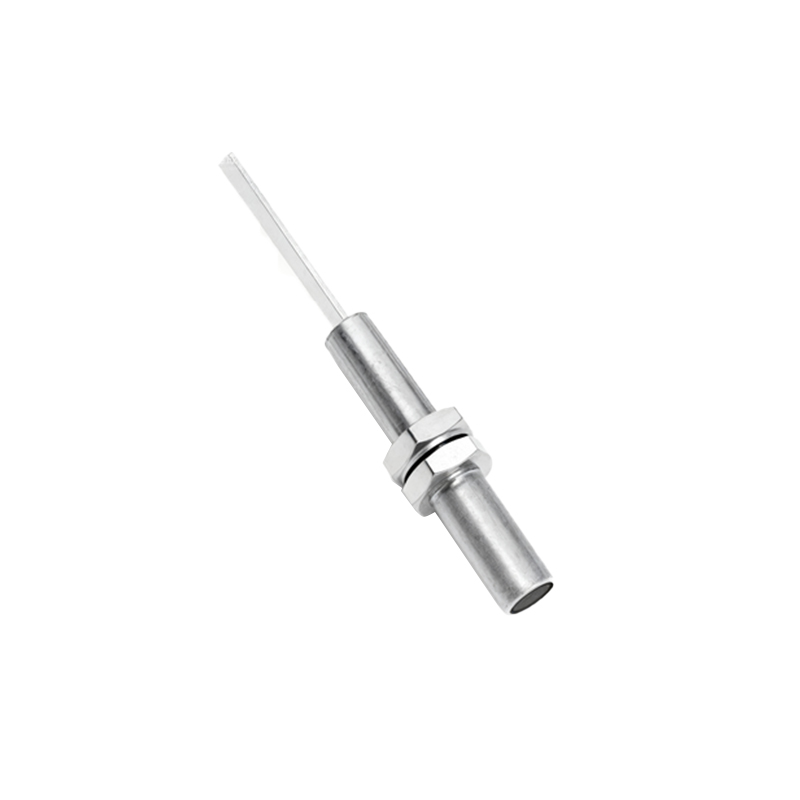
Square proximity sensors, specifically photoelectric switches, represent a cornerstone technology in modern industrial automation. Their compact, robust square housing design offers distinct advantages in space-constrained installations while providing reliable non-contact detection. These sensors operate on the fundamental principle of emitting a light beam—typically infrared, red, or laser—and detecting changes in the received light intensity. The square form factor allows for easier mounting and alignment on machinery, often featuring multiple mounting holes on flat surfaces for enhanced stability.
The core functionality of a photoelectric switch lies in its ability to detect objects without physical contact. This is achieved through three primary sensing modes: through-beam, retro-reflective, and diffuse reflective. Through-beam models consist of separate emitter and receiver units, offering the longest sensing ranges and highest reliability by detecting an object that breaks the beam. Retro-reflective types use a single housing with both emitter and receiver, relying on a reflector to bounce the light beam back; an object is detected when it interrupts this reflected beam. Diffuse reflective sensors, also in a single housing, detect light reflected directly off the target object itself, making them ideal for varied surface detection at shorter ranges.
The square design is not merely aesthetic; it provides practical benefits. The flat sides facilitate secure mounting on brackets or directly onto machine frames, reducing vibration-induced misalignment. Many square photoelectric switches feature built-in alignment indicators, such as LED beams or signal strength meters, which are easily visible on the flat face. This housing style also allows for better sealing against industrial contaminants like dust, coolants, and oils, often achieving IP67 or higher ingress protection ratings. The internal components are efficiently arranged within the square casing, enabling advanced features like background suppression, which allows the sensor to ignore distant objects and only detect targets within a precise, programmable range.
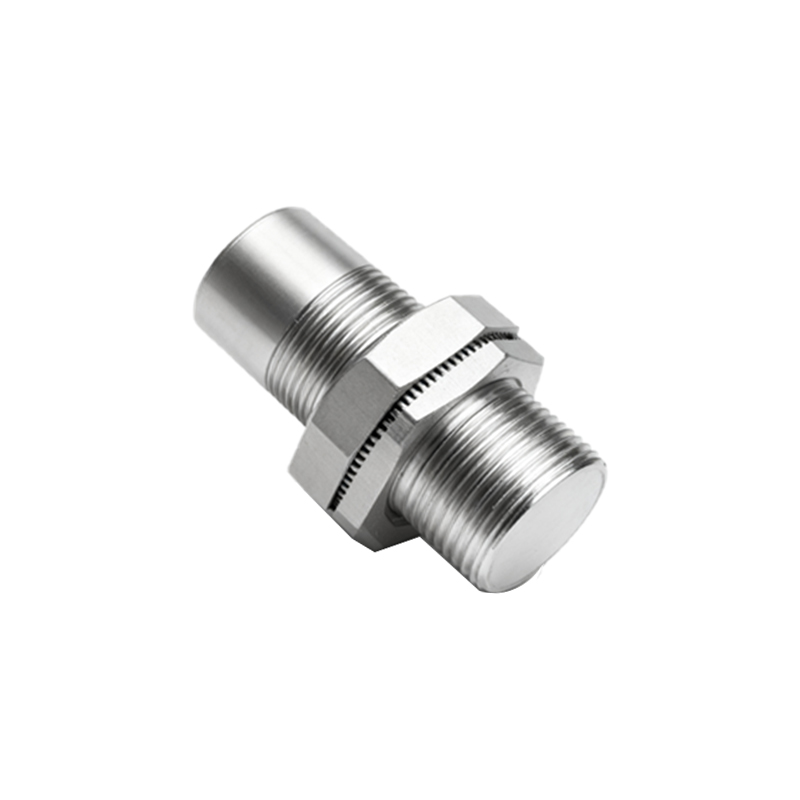
In application, these sensors are ubiquitous. They perform critical tasks such as object counting on conveyor belts, detecting the presence of components in assembly jigs, verifying bin levels, ensuring correct packaging, and providing safety curtains for hazardous areas. Their high switching frequency—often in the kilohertz range—makes them suitable for high-speed production lines. The output signals, typically NPN or PNP transistor-based, interface seamlessly with Programmable Logic Controllers (PLCs) and other industrial control systems.
When selecting a square photoelectric switch, engineers must consider several key parameters. Sensing range is paramount and varies significantly between models and sensing modes. Environmental factors like ambient light, temperature extremes, and the presence of steam or fog must be accounted for, as they can affect infrared and visible light beams. The material, color, and surface finish of the target object also influence performance; a glossy black object, for instance, may be harder for a diffuse sensor to detect than a matte white one. Modern sensors often incorporate teach-in functions or potentiometers for easy on-site range adjustment and sensitivity tuning.
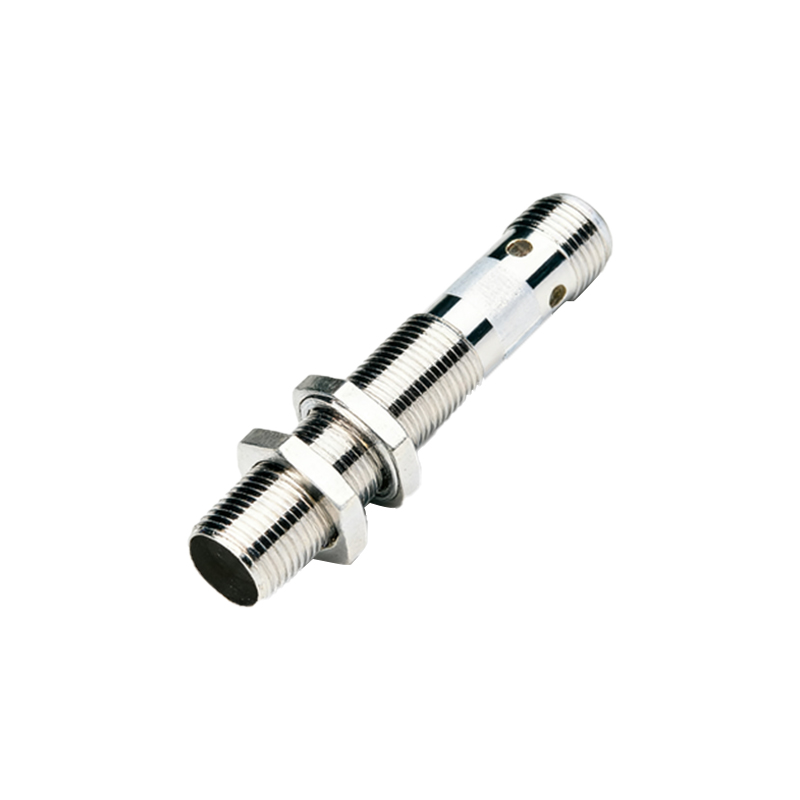
The evolution of these devices continues with the integration of IO-Link communication, a point-to-point serial connection that transforms a simple switch into an intelligent device. IO-Link enables parameter setting, real-time process data monitoring (like signal strength), and advanced diagnostics directly from the control cabinet, supporting predictive maintenance strategies. This digital capability, housed within the familiar robust square body, ensures that photoelectric proximity sensors remain vital components in the transition towards Industry 4.0 and smart factories.
Maintenance is generally minimal but crucial. Regular cleaning of the lens surface is necessary to prevent false triggers from accumulated grime. Periodic verification of alignment and sensing consistency ensures long-term system reliability. The durability of the square housing, often made from nickel-plated brass or high-grade plastics, protects the sensitive internal optics from mechanical shock and harsh chemicals, leading to extended service life and reduced total cost of ownership in demanding industrial environments.