In the realm of industrial automation, proximity sensors play a pivotal role in enhancing efficiency, safety, and precision. Among the leading innovations in this field, the MK27 series proximity sensors stand out as a benchmark for reliability and performance. Designed to meet the rigorous demands of modern manufacturing environments, these sensors offer a blend of cutting-edge technology and robust construction, making them indispensable for a wide range of applications.
The MK27 series is engineered to detect the presence or absence of objects without physical contact, utilizing electromagnetic fields, infrared light, or ultrasonic waves depending on the model. This non-contact operation minimizes wear and tear, ensuring longevity and reducing maintenance costs. With sensing distances ranging from a few millimeters to several centimeters, the MK27 sensors are versatile enough to handle tasks from simple object detection to complex positioning in assembly lines, packaging machinery, and robotic systems.
One of the key features of the MK27 series is its high immunity to environmental interference. Industrial settings often involve challenges such as dust, moisture, vibration, and electromagnetic noise. The MK27 sensors are built with sealed housings, typically rated IP67 or higher, providing excellent protection against ingress of solids and liquids. Additionally, their advanced circuitry is designed to filter out signal noise, ensuring stable and accurate detection even in harsh conditions. This reliability translates to fewer false triggers and improved operational uptime, which is critical for industries like automotive, food processing, and logistics.
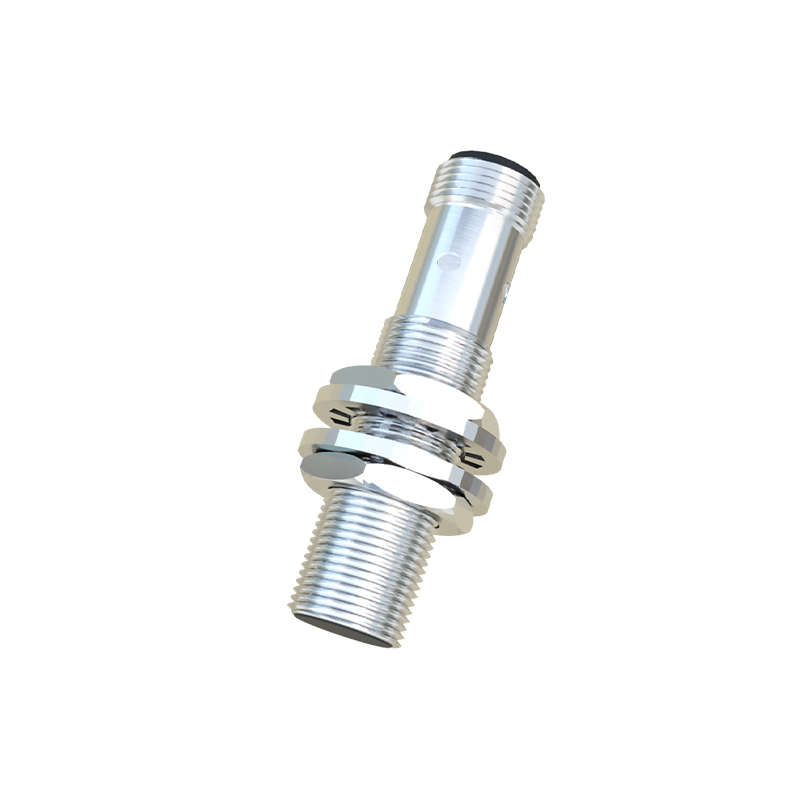
The series includes various output configurations, including NPN, PNP, and analog outputs, allowing seamless integration with different control systems such as PLCs (Programmable Logic Controllers) and microcontrollers. Users can select models with normally open or normally closed contacts to suit specific circuit requirements. Furthermore, the MK27 sensors feature LED indicators for easy status monitoring, enabling quick troubleshooting and setup adjustments. Their compact and modular designs facilitate installation in tight spaces, while adjustable mounting brackets offer flexibility in alignment.
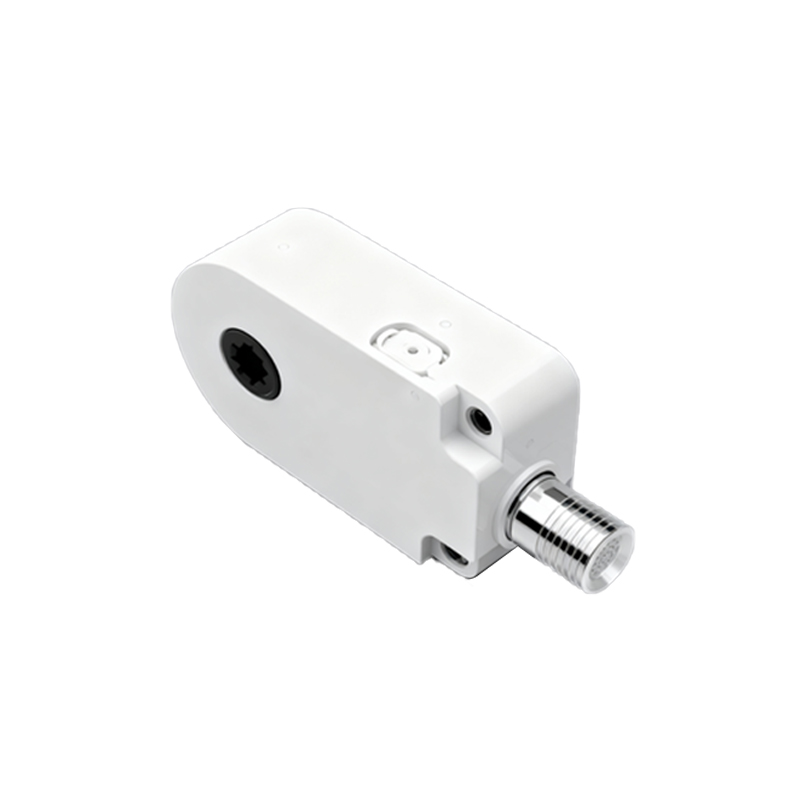
From a technical perspective, the MK27 proximity sensors boast fast response times, often in the microsecond range, which is essential for high-speed automation processes. They also exhibit low power consumption, contributing to energy-efficient operations. For specialized applications, variants are available with enhanced features like temperature resistance, chemical resistance, or extended sensing ranges. For instance, in metalworking, the inductive models of the MK27 series can detect ferrous and non-ferrous metals with high precision, aiding in quality control and inventory management.
In practice, the MK27 series has proven its value across diverse sectors. In automotive manufacturing, these sensors ensure precise part placement and robot guidance, reducing errors and enhancing safety. In packaging lines, they detect product positions to coordinate sealing and labeling machines. Even in renewable energy setups, such as wind turbines, MK27 sensors monitor component movements to prevent malfunctions. Their adaptability is further supported by compliance with international standards like IEC 60947-5-2, ensuring global compatibility and safety.
Looking ahead, the evolution of the MK27 series continues to align with Industry 4.0 trends. Integration with IoT (Internet of Things) platforms is becoming more common, enabling real-time data collection and predictive maintenance. By connecting to networked systems, these sensors can provide insights into machine performance, helping optimize workflows and reduce downtime. Manufacturers are also exploring eco-friendly materials and energy-saving modes to support sustainability goals.
In summary, the MK27 series proximity sensors represent a fusion of durability, precision, and innovation. For engineers and system integrators, they offer a trusted solution to automate processes efficiently. As industries advance toward smarter factories, the MK27 series is poised to remain a cornerstone in sensor technology, driving productivity and reliability in an ever-changing landscape. Whether for basic detection or complex automation challenges, investing in MK27 sensors can yield significant returns in operational excellence.