In the world of industrial automation, proximity sensors are indispensable components, acting as the silent sentinels that detect the presence or absence of objects without physical contact. A common and critical question from engineers, procurement specialists, and plant managers is: "How much does a proximity sensor cost?" The answer, as with most industrial components, is not a single figure but a spectrum influenced by a complex interplay of technology, specifications, and application requirements. Understanding these factors is key to making a cost-effective purchasing decision that balances performance with budget.
The price range for proximity sensors is remarkably broad. You can find basic, generic inductive sensors for as low as $15 to $30 USD per unit. On the other end of the spectrum, highly specialized, ruggedized, or long-range sensors from top-tier brands can easily command prices from $150 to over $500 each. The vast majority of standard industrial-grade sensors used in common applications like machine guarding, part counting, or position detection typically fall in the $50 to $150 range.
Several core factors dictate this pricing variance. First and foremost is the sensing technology. Inductive sensors, which detect metallic objects, are generally the most economical, starting at the lower end of the price scale. Capacitive sensors, capable of detecting both metallic and non-metallic materials like liquids or plastics, tend to be 20-40% more expensive than their inductive counterparts. Ultrasonic and photoelectric sensors, offering longer ranges and more complex object discrimination, occupy the mid to high price bracket.
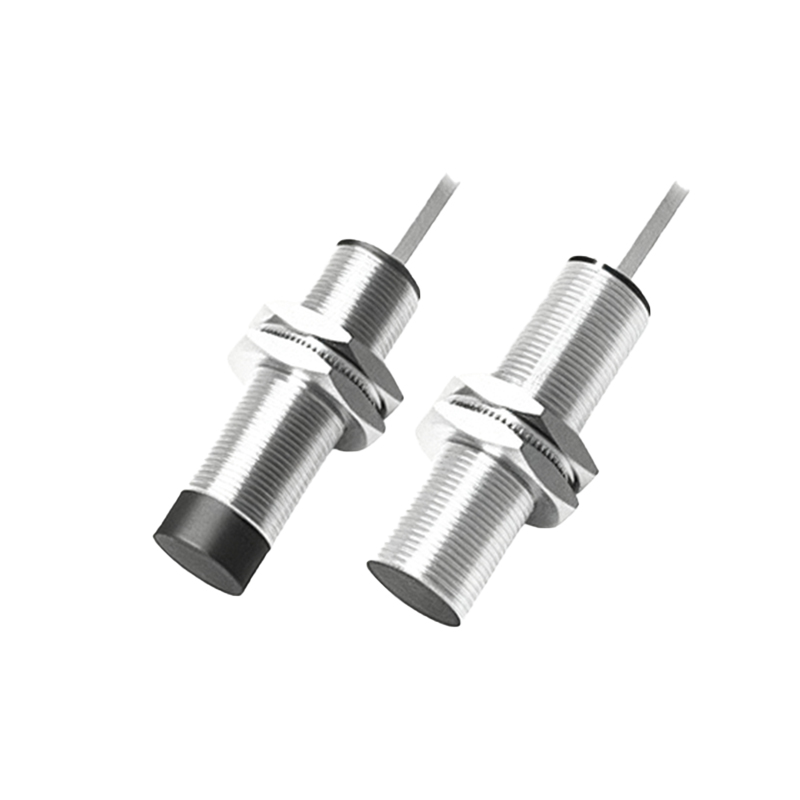
The second major cost driver is performance specifications. Sensing range is a primary factor; a sensor with a 2mm range will cost significantly less than one with a 20mm or 40mm range. The housing material also plays a crucial role. Standard plastic or nickel-plated brass housings are cost-effective, while sensors with stainless steel housings (particularly in grades like 316L for corrosive environments) or those with specialized coatings for extreme conditions carry a premium. The ingress protection (IP) rating is equally important. A sensor with an IP67 rating (dust-tight and protected against temporary immersion) is standard, but models with IP68, IP69K (for high-pressure washdown), or NEMA ratings will be more expensive.
Electrical output and connection type directly influence cost. Basic two-wire DC sensors are often the least expensive option. Three-wire DC (PNP or NPN) and four-wire models (with both NO and NC outputs) offer more flexibility and precise control, increasing the price. Analog output sensors (4-20mA, 0-10V) for distance measurement are more complex and costly than simple digital on/off switches. Connector styles matter too; sensors with integrated, molded cables or quick-disconnect (M12, M8) connectors are more convenient and reliable but add to the unit cost compared to simple lead-wire versions.
Brand reputation and supply chain positioning are significant but often overlooked factors. Established global brands like Siemens, Omron, Schneider Electric, Pepperl+Fuchs, and Balluff command higher prices due to their proven reliability, extensive global support networks, and rigorous quality control. Their sensors are investments in uptime. Conversely, many reputable "value" brands and generic manufacturers offer functionally similar sensors at lower price points, which can be perfectly adequate for less critical applications or where budget constraints are severe. However, this may come with trade-offs in long-term durability, technical support, or lead times.
Beyond the initial purchase price, the Total Cost of Ownership (TCO) must be considered. A cheaper sensor that fails prematurely, causes machine downtime, or requires frequent recalibration can ultimately cost far more than a higher-priced, more reliable alternative. Key TCO elements include mean time between failures (MTBF), environmental robustness, ease of installation and integration, and the availability of replacement parts. Investing in a sensor with the right specifications for the job—considering factors like temperature extremes, vibration, and exposure to chemicals—is a strategic decision that minimizes long-term operational costs.
In conclusion, asking "how much is a proximity sensor?" is akin to asking "how much is a car?" The price is entirely dependent on what you need it to do. For a standard machine automation task detecting a steel gear at 5mm, a $60-$80 inductive sensor from a mid-tier supplier may be optimal. For detecting the fill level of a corrosive chemical in a stainless-steel tank, a $300+ capacitive sensor with a 316L housing and analog output is a necessary investment. The most effective approach is to clearly define your application requirements—sensing object, distance, environment, output needed—and then solicit quotes from multiple suppliers for sensors that meet those specs. This ensures you pay for the performance you require, without over-engineering or compromising on critical reliability