The WX2008 proximity switch sensor represents a significant advancement in industrial sensing technology, designed to meet the demanding requirements of modern automation systems. As a three-wire sensor, it offers enhanced reliability and ease of integration, making it a preferred choice for engineers and technicians across various sectors, including manufacturing, packaging, and material handling. This article delves into the technical specifications, operational principles, installation guidelines, and practical applications of the WX2008, providing a detailed resource for professionals seeking to optimize their sensing solutions.
Proximity sensors, particularly inductive types like the WX2008, operate on the principle of electromagnetic induction. When a metallic object enters the sensor's detection range, it disrupts the high-frequency electromagnetic field generated by the oscillator coil, causing a change in the output state. The WX2008 features a three-wire configuration, which includes power supply (typically 10-30V DC), ground, and output lines. This design allows for both NPN (sinking) and PNP (sourcing) output options, offering flexibility in interfacing with programmable logic controllers (PLCs) and other control systems. The sensor's compact housing, often constructed from nickel-plated brass or stainless steel, ensures durability in harsh environments, with protection ratings up to IP67, making it resistant to dust, moisture, and mechanical impacts.
Key technical parameters of the WX2008 include a sensing range of up to 8mm, depending on the target material, with standard calibration for mild steel. It supports a switching frequency of up to 1kHz, enabling high-speed detection in dynamic processes. The sensor's output is typically in the form of a solid-state switch, providing fast response times (less than 1ms) and minimal hysteresis, which is critical for precision applications. Additionally, the WX2008 incorporates built-in protection against short-circuit, reverse polarity, and overload conditions, enhancing its longevity and reducing maintenance needs. When installing the sensor, it is essential to consider environmental factors such as temperature fluctuations (operating range: -25°C to 70°C), electromagnetic interference, and mounting proximity to other metal objects, which can affect performance. Proper wiring, as per the manufacturer's datasheet, is crucial to avoid false triggers or damage.
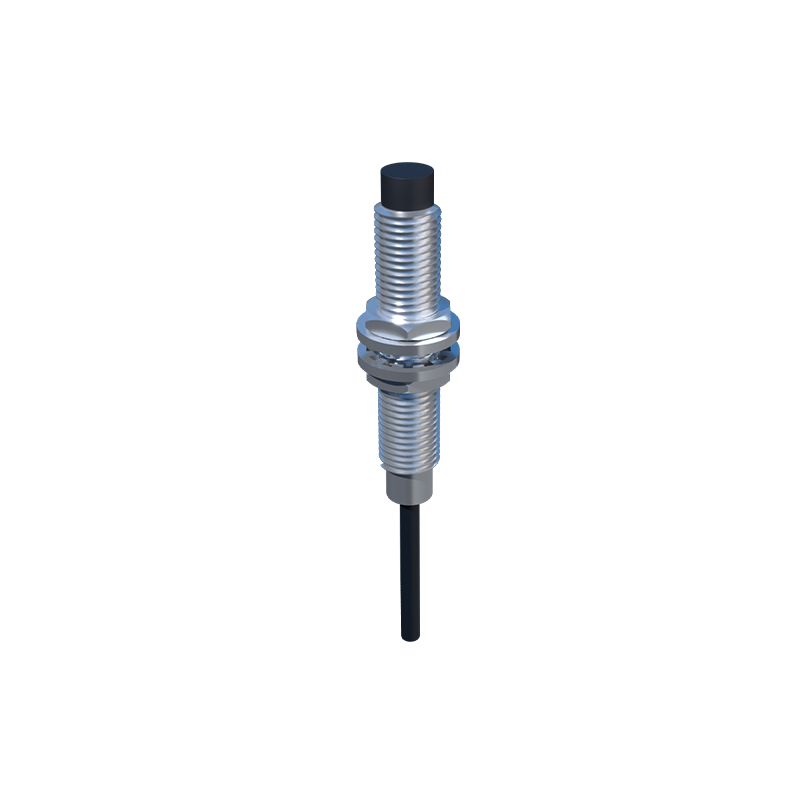
In practical terms, the WX2008 is widely used for position detection, object counting, and end-of-travel sensing in conveyor systems, robotic arms, and assembly lines. Its three-wire setup simplifies wiring compared to two-wire alternatives, reducing installation time and potential errors. For instance, in automotive manufacturing, the sensor ensures precise alignment of components, while in food processing, its sealed design prevents contamination. Regular calibration and testing, using standardized targets, help maintain accuracy over time. As industries move toward Industry 4.0, sensors like the WX2008 play a pivotal role in enabling real-time data acquisition and process optimization. Future trends may include integration with IoT platforms for predictive maintenance, though the core reliability of three-wire designs remains a cornerstone.
Overall, the WX2008 proximity switch sensor exemplifies robust engineering tailored for industrial efficiency. By understanding its capabilities and adhering to best practices, engineers can leverage this tool to enhance system performance, reduce downtime, and achieve higher productivity. For specific applications, consulting the technical manual and conducting on-site trials is recommended to ensure optimal compatibility and performance.