Proximity sensors are essential components in modern industrial automation, enabling non-contact detection of objects within a specified range. Their sensing zones, which define the effective detection areas, vary significantly based on sensor type, technology, and application requirements. This article explores the primary sensing zones associated with proximity sensors, providing insights into their characteristics and practical implications.
The sensing zone of a proximity sensor refers to the spatial region where it can reliably detect an object's presence or absence. This zone is typically three-dimensional and influenced by factors such as sensor design, material composition, and environmental conditions. Common types of proximity sensors include inductive, capacitive, ultrasonic, and photoelectric sensors, each with distinct sensing zone properties.
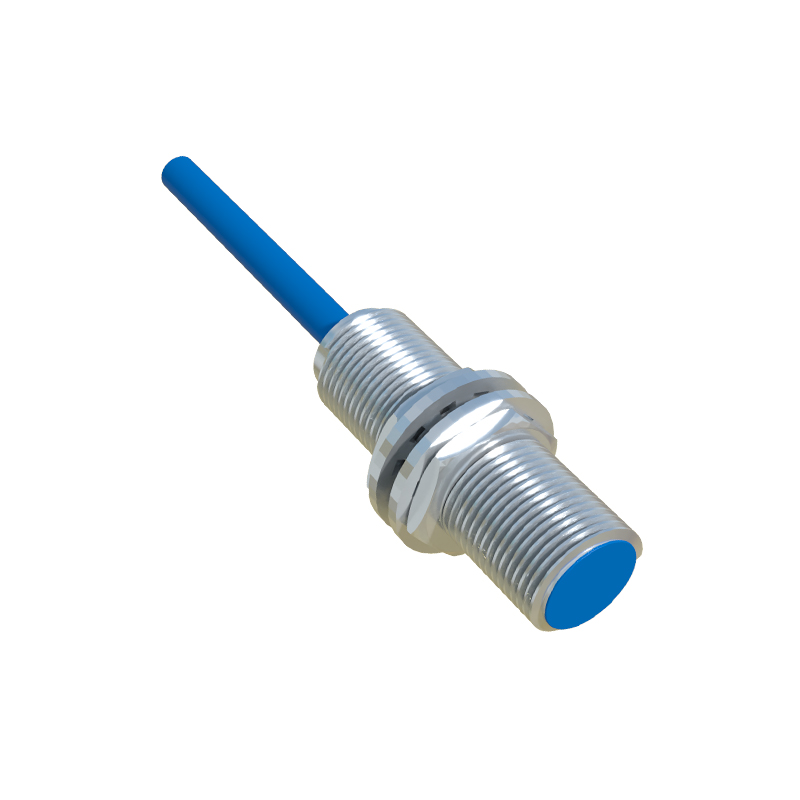
Inductive proximity sensors are widely used for detecting metallic objects. Their sensing zones are often cylindrical or conical, with detection distances ranging from a few millimeters to several centimeters. The effective range depends on the sensor's size, coil design, and the target material's properties. For instance, ferrous metals like iron and steel are detected at longer distances compared to non-ferrous metals such as aluminum or copper. The sensing zone may also exhibit a hysteresis effect, where the switch-on and switch-off points differ slightly to prevent oscillation during detection.
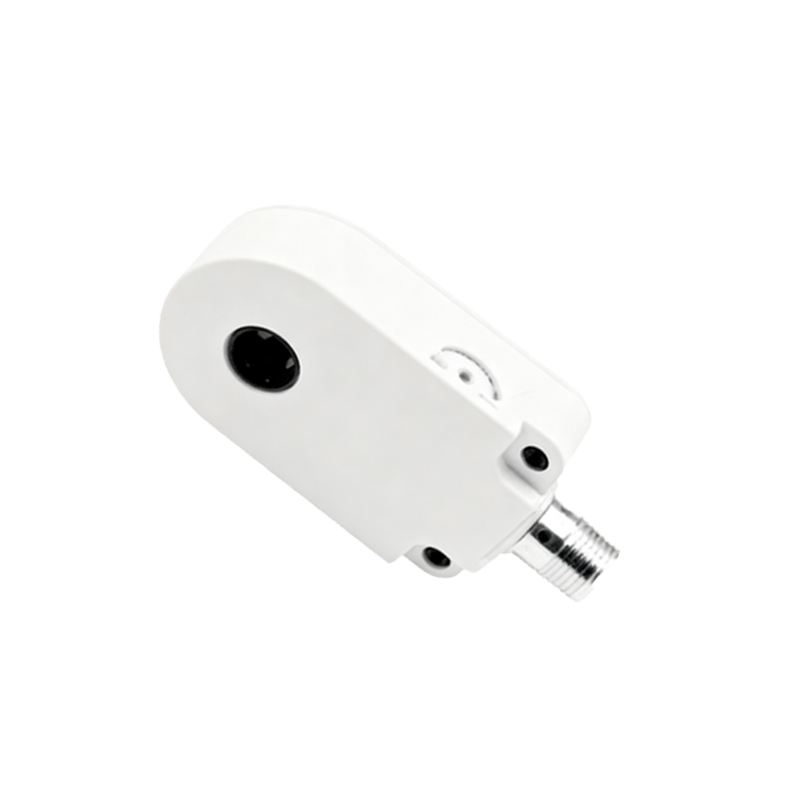
Capacitive proximity sensors can detect both metallic and non-metallic objects, including liquids, plastics, and wood. Their sensing zones are generally spherical or hemispherical, extending from the sensor's active surface. Detection ranges vary from millimeters to tens of centimeters, influenced by the target's dielectric constant and environmental factors like humidity or temperature. Adjustable sensitivity settings allow users to fine-tune the sensing zone, minimizing false triggers from background interference.
Ultrasonic proximity sensors utilize sound waves to detect objects, making them suitable for diverse materials and challenging environments. Their sensing zones are typically conical or fan-shaped, with detection distances extending from centimeters to several meters. The zone's shape and size depend on the transducer's frequency and beam angle. Higher frequencies result in narrower beams, offering precise detection, while lower frequencies provide wider coverage. Ultrasonic sensors are less affected by color, transparency, or surface texture, but they may be influenced by air turbulence or acoustic noise.
Photoelectric proximity sensors employ light beams, usually infrared or laser, for object detection. Their sensing zones can be configured in various patterns, including through-beam, retro-reflective, and diffuse-reflective modes. Through-beam sensors have a linear sensing zone between the emitter and receiver, offering long-range detection up to hundreds of meters. Retro-reflective sensors use a reflector to bounce light back, creating a folded path with a range of several meters. Diffuse-reflective sensors rely on light reflected directly from the target, resulting in a shorter, more focused sensing zone. Environmental factors like ambient light, dust, or fog can impact performance, necessitating proper shielding or filtering.
In addition to these primary types, specialized proximity sensors feature unique sensing zones. For example, magnetic proximity sensors detect permanent magnets with a narrow, directional zone, while eddy-current sensors offer high-resolution detection for conductive materials. The selection of an appropriate sensing zone depends on application-specific criteria such as object size, material, required precision, and installation constraints.
Practical considerations for optimizing sensing zones include alignment, mounting, and calibration. Misalignment can reduce effective range or cause blind spots, while improper mounting may introduce interference from nearby objects. Regular calibration ensures consistent performance, especially in dynamic environments. Industry standards, such as IEC 60947-5-2, provide guidelines for testing and specifying sensing zones, aiding in interoperability and safety compliance.
Advancements in sensor technology continue to enhance sensing zone capabilities. Smart sensors with integrated microprocessors offer adaptive zoning, allowing real-time adjustments based on object proximity or environmental changes. Multi-zone sensors enable simultaneous detection across multiple areas, improving efficiency in complex automation tasks. As industries embrace Industry 4.0, the integration of proximity sensors with IoT platforms facilitates remote monitoring and predictive maintenance, further optimizing sensing zone utilization.
In summary, the sensing zones of proximity sensors are critical to their functionality, shaped by underlying technologies and application demands. Understanding these zones helps engineers select and deploy sensors effectively, ensuring reliable operation in automation, robotics, safety systems, and beyond. By considering factors like range, shape, and environmental adaptability, users can maximize sensor performance and contribute to smarter, more responsive industrial ecosystems.