In today's rapidly evolving industrial landscape, the demand for intelligent proximity sensors has surged, driven by the need for automation, precision, and efficiency. These advanced sensors are pivotal in various sectors, including manufacturing, automotive, robotics, and logistics, offering capabilities such as non-contact detection, environmental adaptability, and data integration. For professionals seeking reliable sources, intelligent proximity sensors are available through multiple channels, each catering to different requirements and scales.
Leading global manufacturers like Siemens, Omron, Rockwell Automation, and Pepperl+Fuchs are primary providers of intelligent proximity sensors. These companies offer a wide range of products, from inductive and capacitive sensors to ultrasonic and photoelectric variants, designed for harsh industrial environments. Their sensors often feature smart functionalities, such as IO-Link communication, self-diagnosis, and adjustable parameters, enabling seamless integration into Industry 4.0 systems. Purchasing directly from these manufacturers ensures access to cutting-edge technology, comprehensive technical support, and warranty services. However, this option may be more suitable for large-scale operations due to higher costs and minimum order quantities.
Industrial distributors and suppliers, such as Digi-Key, RS Components, and Grainger, serve as accessible hubs for procuring intelligent proximity sensors. These platforms stock products from various brands, providing flexibility in selection, competitive pricing, and fast shipping. They often include detailed specifications, datasheets, and customer reviews, aiding in informed decision-making. For urgent needs or small to medium-sized projects, distributors offer a practical solution, with many providing online tools for compatibility checks and configuration. Additionally, local industrial supply stores in regions like North America, Europe, and Asia can offer in-person assistance and same-day pickup options, though their inventory may be limited compared to online giants.
Specialized automation integrators and system providers are another valuable resource, particularly for complex applications requiring customized solutions. Companies like Festo, SICK, and Balluff not only supply sensors but also offer engineering services to tailor them to specific operational needs, such as high-speed assembly lines or hazardous environments. This approach is ideal for industries like pharmaceuticals or food processing, where sensors must meet stringent safety and hygiene standards. Collaborating with integrators ensures optimal sensor placement, calibration, and networking, reducing downtime and enhancing overall system performance.
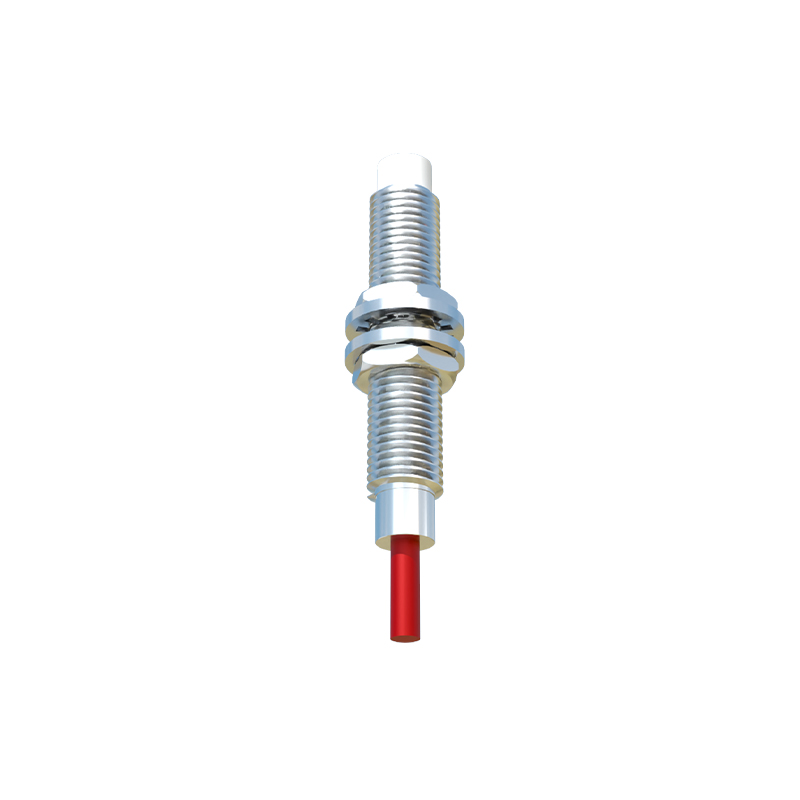
Online marketplaces, including Amazon Business and Alibaba, have emerged as convenient platforms for sourcing intelligent proximity sensors, especially for startups or experimental projects. These sites feature a vast array of products from global sellers, often at lower prices, but require careful vetting for quality and authenticity. Buyers should prioritize listings with certifications like CE, UL, or ISO to ensure reliability. While online marketplaces may lack specialized support, they provide user forums and ratings that can guide purchases.
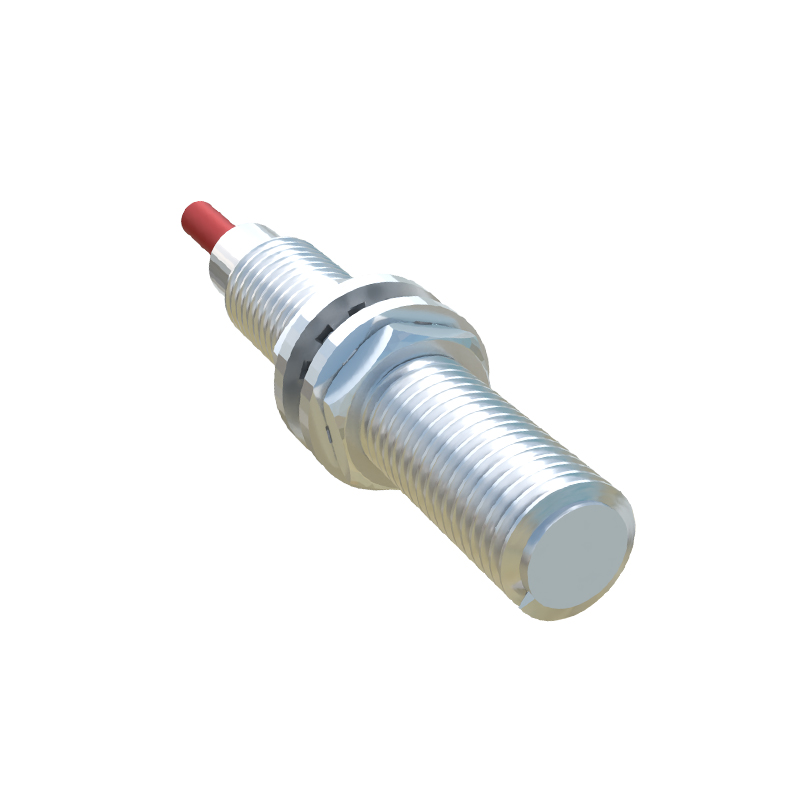
Industry trade shows and exhibitions, such as Hannover Messe, SPS, and Automate, offer direct access to the latest innovations in intelligent proximity sensors. Attending these events allows engineers to interact with experts, test products in real-time, and explore emerging trends like AI-enhanced sensing or wireless connectivity. Many manufacturers launch new models at these venues, providing early adoption opportunities. Additionally, professional networks and technical publications, such as IEEE journals or industry blogs, can highlight niche suppliers and research-driven solutions.
In summary, intelligent proximity sensors are widely accessible through manufacturers, distributors, integrators, online platforms, and industry events. The choice depends on factors like budget, application complexity, and support needs. As industries continue to embrace smart manufacturing, these sensors will remain crucial components, with sourcing strategies evolving to prioritize interoperability, sustainability, and digital integration. By leveraging the right channels, businesses can enhance operational resilience and drive innovation in an automated world.