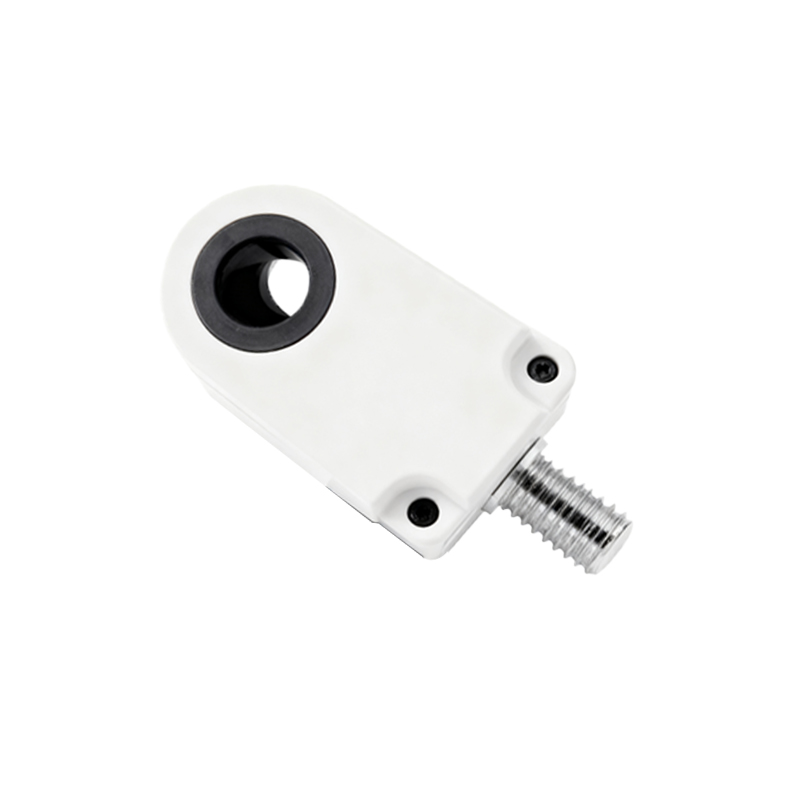
In the realm of industrial automation and smart systems, X10 proximity light sensors have emerged as pivotal components, renowned for their precision and reliability. These sensors operate on the principle of detecting the presence or absence of an object within a specified range using infrared or laser-based light beams, without physical contact. Their applications span diverse sectors, making them indispensable in modern engineering.
One of the primary domains where X10 proximity light sensors are extensively utilized is in manufacturing assembly lines. Here, they facilitate automated quality control by identifying misaligned parts or verifying component placement, thereby reducing human error and enhancing production efficiency. For instance, in automotive manufacturing, these sensors ensure that robotic arms accurately position components like windshield wipers or door handles, streamlining processes and minimizing downtime.
Another critical application lies in the packaging industry. X10 sensors are employed to detect labels, count products on conveyor belts, and monitor fill levels in containers. Their high-speed response and immunity to environmental factors such as dust or moisture make them ideal for harsh operational environments. By integrating these sensors, companies achieve consistent throughput and reduce material waste, contributing to sustainable practices.
In the realm of safety systems, X10 proximity light sensors play a vital role. They are integrated into machinery guards to prevent accidents by halting equipment when an object or person encroaches on a danger zone. This is particularly crucial in heavy industries like metalworking or logistics, where worker protection is paramount. Additionally, in smart building management, these sensors enable energy conservation by controlling lighting and HVAC systems based on occupancy detection, aligning with global green initiatives.
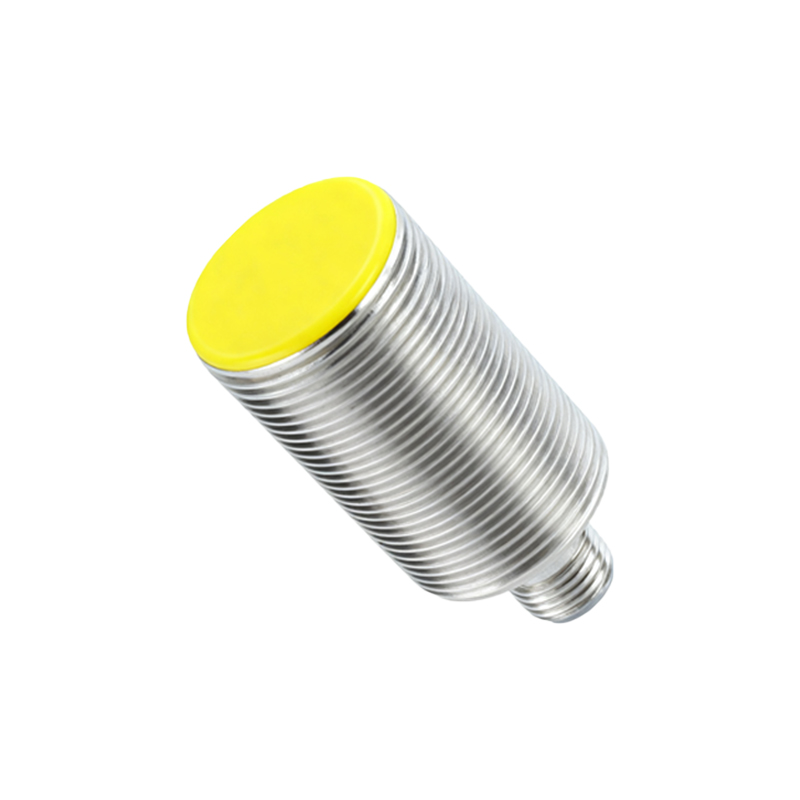
The technology behind X10 sensors has evolved to include advanced features such as adjustable sensing ranges, digital output interfaces, and robust housing for industrial durability. Engineers often select models based on factors like response time, detection distance, and environmental resistance. For example, in pharmaceutical cleanrooms, sensors with stainless-steel casings and IP67 ratings are preferred to maintain sterility and reliability.
Looking ahead, the integration of X10 proximity light sensors with IoT platforms is driving innovation. By connecting sensors to cloud-based analytics, industries can predict maintenance needs, optimize workflows, and gather real-time data for decision-making. This trend is evident in smart agriculture, where sensors monitor crop growth or equipment proximity, enhancing precision farming techniques.
In summary, X10 proximity light sensors are foundational to automation across manufacturing, packaging, safety, and beyond. Their versatility and technological advancements continue to redefine industrial standards, offering engineers scalable solutions for complex challenges. As industries embrace digital transformation, these sensors will undoubtedly remain at the forefront, enabling smarter, safer, and more efficient operations worldwide.