In an increasingly automated and interconnected world, the ability of machines to perceive their environment without physical contact is not just an advantage—it's a necessity. At the heart of this capability lies the proximity sensor, a silent workhorse enabling countless innovations across industries. From the smartphone that dims its screen when held to your ear to the complex robotic assembly line that avoids collisions, proximity sensing technology is the invisible enabler of seamless interaction and operational safety.
Understanding the core technology is the first step. Fundamentally, a proximity sensor detects the presence or absence of an object within a specific range without any physical contact. It does this by emitting an electromagnetic field, a beam of electromagnetic radiation (like infrared light), or an ultrasonic sound wave, and then looking for changes in the field or return signal. The absence of mechanical contact means no wear and tear, leading to exceptional reliability and a long operational life. This non-contact nature also allows for detection of fragile, delicate, or fast-moving objects that would be impossible to sense with traditional mechanical switches.
The landscape of proximity sensors is diverse, with each type offering distinct advantages tailored to specific challenges. Inductive sensors are the stalwarts of industrial automation, perfectly suited for detecting metallic objects. Their robustness in dirty, oily, or wet environments makes them indispensable on factory floors for tasks like counting metal parts, determining position limits, or confirming the presence of a machine component. Capacitive sensors, on the other hand, can detect a much wider range of materials, including liquids, plastics, wood, and granular substances. This versatility finds application in level sensing for tanks and silos, touch-sensitive interfaces, and detecting non-metallic objects on conveyor belts.
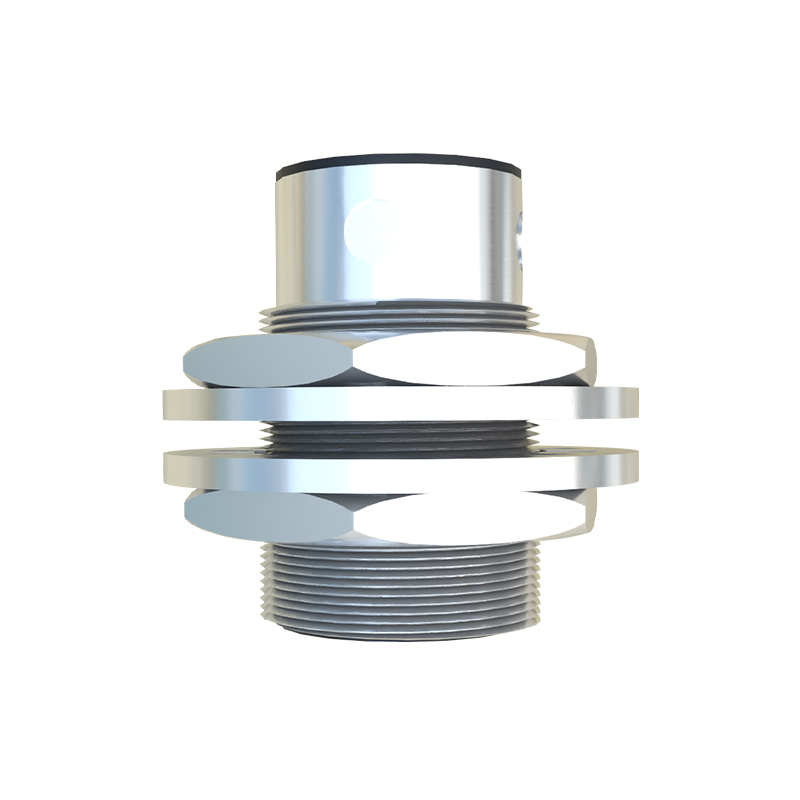
For longer ranges and precise distance measurement, photoelectric and ultrasonic sensors come to the fore. Photoelectric sensors use a light beam, typically infrared or laser, and are excellent for detecting objects at distances from a few centimeters to several meters. They are commonly used in packaging, material handling, and security systems. Ultrasonic sensors measure the time it takes for a sound pulse to bounce back from an object, providing highly accurate distance data regardless of the object's color, transparency, or material (though soft materials can absorb sound). They are ideal for applications like parking assistance, liquid level control in harsh chemical environments, and collision avoidance for automated guided vehicles (AGVs).
The process of selecting the right sensor for an application is critical and hinges on several key parameters. The first consideration is the sensing range—the maximum distance at which the sensor can reliably detect the target object. Equally important is the target material; choosing an inductive sensor for a plastic bottle is a fundamental error. Environmental factors are paramount: will the sensor be exposed to extreme temperatures, washdown conditions, dust, or intense vibration? The required output signal (digital on/off or analog distance data) and the electrical interface (PNP/NPN, analog voltage/current) must match the control system's input requirements. Finally, the sensor's form factor and mounting style must be compatible with the mechanical design of the machine or system.
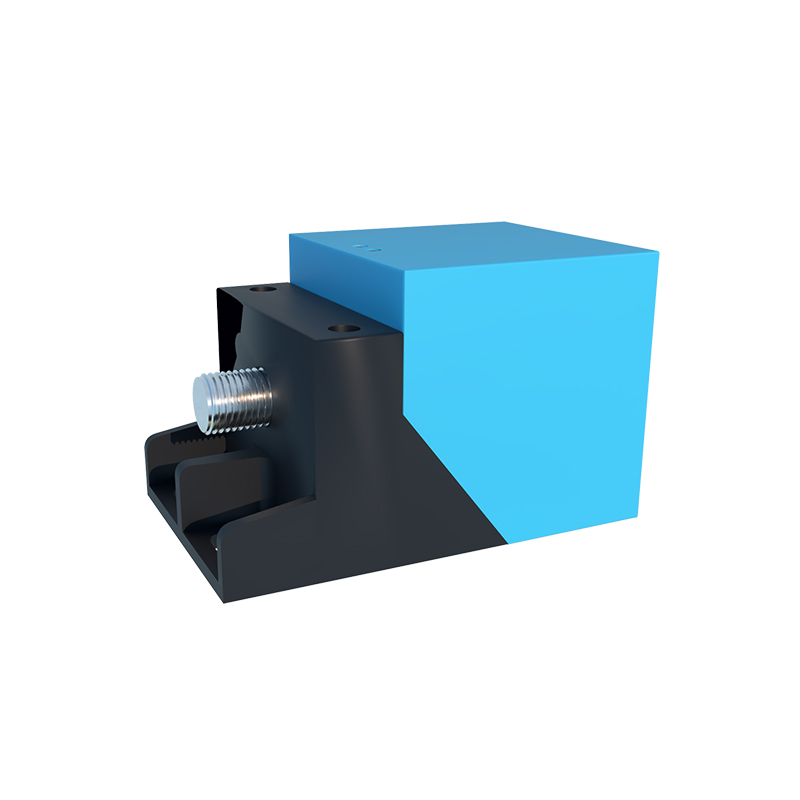
The real-world applications of proximity sensors are vast and growing. In consumer electronics, they manage power saving and prevent accidental touchscreen inputs. In the automotive sector, they are integral to advanced driver-assistance systems (ADAS), enabling features like blind-spot monitoring and automatic parking. Industrial automation relies on them for precise positioning, object counting, and ensuring machine and operator safety through presence detection in hazardous zones. In the burgeoning field of the Internet of Things (IoT), proximity sensors act as the "eyes" of smart devices, triggering actions based on the presence of people or objects, enabling smarter homes, offices, and cities.

Looking ahead, the evolution of proximity sensing is geared towards greater intelligence, miniaturization, and integration. Sensors are becoming "smarter" with embedded microprocessors that allow for advanced functions like self-diagnostics, temperature compensation, and customizable sensing profiles. Miniaturization continues to open new possibilities in wearable technology and compact medical devices. Furthermore, the integration of multiple sensing modalities (e.g., combining a proximity sensor with an ambient light sensor) on a single chip is creating more context-aware and power-efficient solutions. As machines continue to evolve towards greater autonomy and interactivity, the humble proximity sensor will remain a foundational component, its role only expanding in the intelligent systems of the future.