In the realm of additive manufacturing, achieving a perfectly leveled print bed is paramount for successful first-layer adhesion and overall print quality. Manual bed leveling, while foundational, is often time-consuming and prone to human error. This is where proximity sensor auto-leveling systems come into play, offering a sophisticated, automated solution that enhances precision, repeatability, and user convenience in 3D printing.
A proximity sensor in a 3D printer context is typically a non-contact device—often an inductive or capacitive sensor—that detects the distance between the nozzle or a dedicated probe and the print bed surface. Inductive sensors are common for metallic build plates, as they detect ferromagnetic materials, while capacitive sensors can work with non-metallic surfaces like glass. The core principle involves the sensor generating an electromagnetic field; when the bed enters this field, a change is detected, signaling the proximity. The printer's firmware uses this signal to determine the bed's position relative to the nozzle at multiple points across the build area.
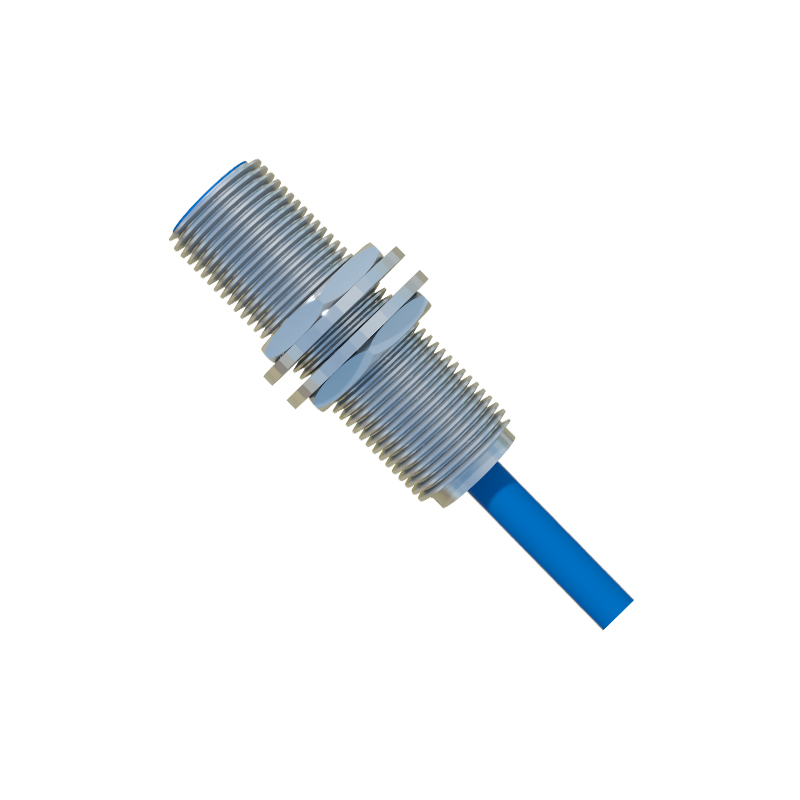
The auto-leveling process, often referred to as Automatic Bed Leveling (ABL), begins with the printer executing a G-code command (usually G29) that instructs it to probe the bed at a predefined grid of points—commonly 3x3, 5x5, or more, depending on the firmware configuration. As the sensor approaches each point, it triggers at a specific distance, recording the Z-axis height. These measurements create a topographic map of the bed's surface, revealing any deviations, such as warping or tilting. Advanced firmware, like Marlin or Klipper, then uses this data to dynamically adjust the Z-axis during printing, compensating for unevenness by raising or lowering the nozzle in real-time to maintain a consistent first-layer height. This is often achieved through a mesh leveling system, where the bed is divided into a mesh, and the printer interpolates the Z-offset for any point within that mesh.
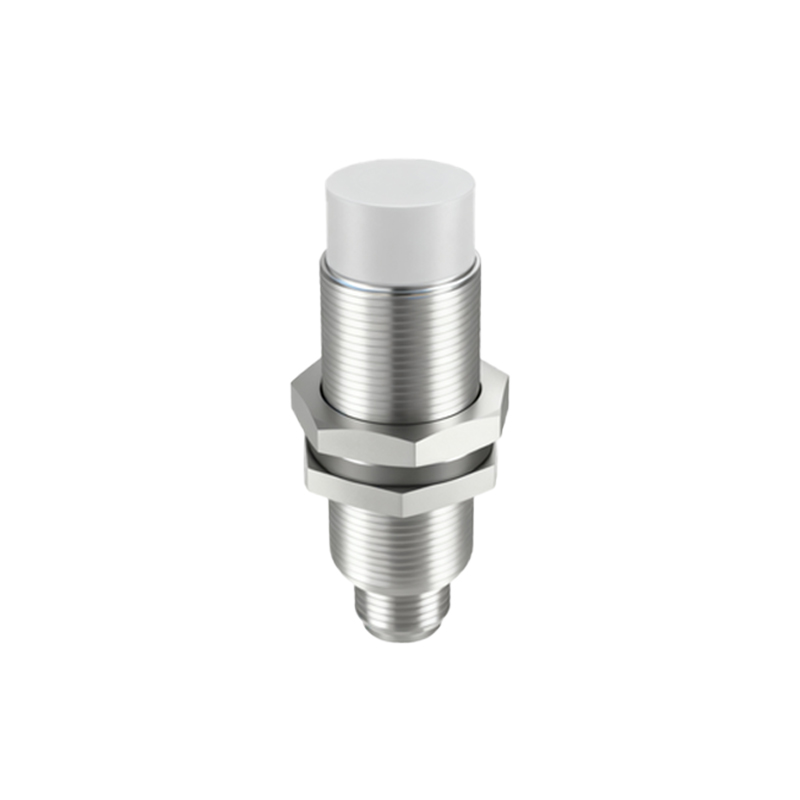
From an engineering standpoint, implementing a robust auto-leveling system involves several critical considerations. Sensor selection is crucial: factors include detection range, repeatability accuracy (often within microns), response time, and environmental robustness (e.g., resistance to temperature fluctuations or electromagnetic interference from stepper motors). Mounting the sensor securely to minimize vibration-induced errors is essential, as is calibrating the sensor offset—the precise distance between the sensor's trigger point and the actual nozzle tip. Incorrect offset calibration can lead to nozzle crashing into the bed or poor adhesion. Firmware configuration is equally vital; parameters like probe speed, lift height between points, and mesh density must be tuned to balance speed and accuracy. Additionally, thermal expansion of the bed and frame during heating can affect leveling, so many systems perform probing at printing temperature for optimal results.
The benefits of proximity sensor auto-leveling are substantial. It significantly reduces setup time, eliminates the guesswork of manual leveling, and improves print success rates, especially on larger printers where bed irregularities are more pronounced. It also extends the lifespan of build surfaces by preventing nozzle damage from incorrect leveling. However, challenges exist. Sensors may have compatibility issues with certain bed materials, requiring alternative solutions like BLTouch (a contact-based probe) for non-metallic surfaces. Electrical noise can sometimes cause false triggers, necessitating proper shielding and grounding. Moreover, while auto-leveling compensates for bed imperfections, it does not replace the need for a mechanically sound printer frame and properly tensioned belts, as these affect overall dimensional accuracy.
Looking ahead, advancements in sensor technology and firmware integration continue to refine auto-leveling. Smart sensors with higher resolution and self-diagnostic capabilities are emerging, coupled with machine learning algorithms that can predict and correct for bed deformation over time. For engineers and enthusiasts, understanding the interplay between hardware selection, firmware settings, and mechanical calibration is key to leveraging auto-leveling for industrial-grade reliability in 3D printing. By automating this critical step, proximity sensor systems not only democratize high-quality printing but also pave the way for more complex, large-scale additive manufacturing applications where consistency is non-negotiable.
In summary, proximity sensor auto-leveling represents a convergence of electromechanical design and software intelligence, transforming a once-tedious task into a seamless, automated process. For any serious 3D printing practitioner, mastering its implementation is a step toward achieving unparalleled print fidelity and operational efficiency.