In the realm of industrial mixing, the efficiency and reliability of mixer hosts are paramount to achieving consistent product quality and operational safety. Among the myriad components that contribute to these objectives, proximity sensors stand out as critical elements in modern mixing systems. These non-contact sensors play a pivotal role in monitoring and controlling various aspects of mixer hosts, ensuring seamless automation and reducing downtime. This article delves into the functionality, types, applications, and benefits of proximity sensors in mixer hosts, tailored for electrical engineers and industry professionals.
Proximity sensors are devices that detect the presence or absence of an object without physical contact, typically using electromagnetic fields, light, or sound. In mixer hosts, they are employed to sense the position of moving parts, such as agitator blades, shafts, or discharge gates, providing real-time data to control systems. This capability is essential for automating mixing cycles, preventing equipment collisions, and optimizing process parameters. For instance, inductive proximity sensors are commonly used to detect metallic components, while capacitive sensors can identify non-metallic materials like plastics or liquids, making them versatile for diverse mixing applications.
The integration of proximity sensors into mixer hosts enhances precision in several ways. By accurately monitoring the rotational speed and position of agitators, these sensors enable precise control over mixing intensity and duration, which is crucial for achieving uniform blends in industries such as pharmaceuticals, food processing, and chemicals. Additionally, they facilitate safety interlocks; for example, sensors can ensure that discharge valves are fully closed before starting a mixing cycle, preventing leaks or spills. This not only safeguards personnel but also protects the integrity of the mixing process.
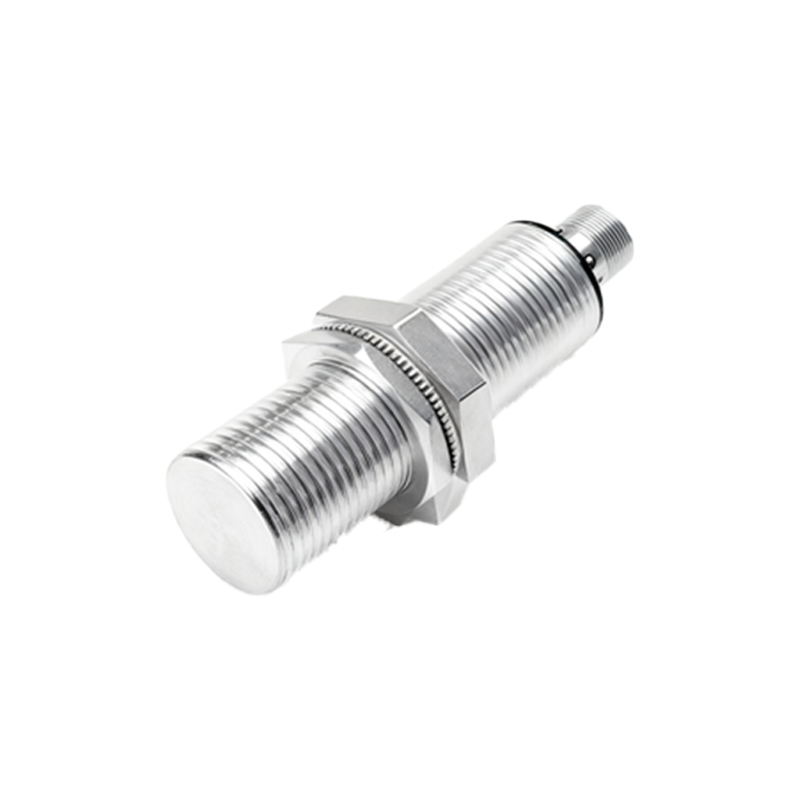
From a reliability standpoint, proximity sensors contribute significantly to reducing maintenance needs and operational interruptions. Their non-contact nature minimizes wear and tear compared to mechanical switches, leading to longer service life and lower replacement costs. In harsh industrial environments, where mixer hosts may be exposed to dust, moisture, or temperature fluctuations, ruggedized proximity sensors with high ingress protection (IP) ratings are available. These sensors are designed to withstand challenging conditions, ensuring consistent performance without frequent calibration or failure. For example, in a concrete mixing plant, sensors resistant to vibration and particulate matter can reliably detect the position of mixing drums, even in dusty surroundings.
When selecting proximity sensors for mixer hosts, engineers must consider factors such as sensing range, output type (e.g., digital or analog), and environmental compatibility. Inductive sensors are ideal for short-range detection of metal parts, while ultrasonic sensors offer longer ranges and can handle varying material types. The choice often depends on the specific mixing application; in a high-speed pharmaceutical mixer, fast-response sensors might be prioritized to capture rapid movements, whereas in a bulk chemical mixer, durability against corrosive substances could be key. Proper installation and alignment are also critical to avoid false triggers and ensure accurate readings, which can be achieved through careful design and testing during system integration.
In practice, proximity sensors are integrated with programmable logic controllers (PLCs) or supervisory control and data acquisition (SCADA) systems in mixer hosts. This connectivity allows for advanced functionalities like predictive maintenance, where sensor data can alert operators to potential issues before they escalate into failures. For instance, a gradual change in the signal from a sensor monitoring agitator bearing alignment might indicate wear, prompting preemptive maintenance. Such proactive approaches not only enhance operational efficiency but also extend the lifespan of mixer hosts, contributing to overall cost savings.
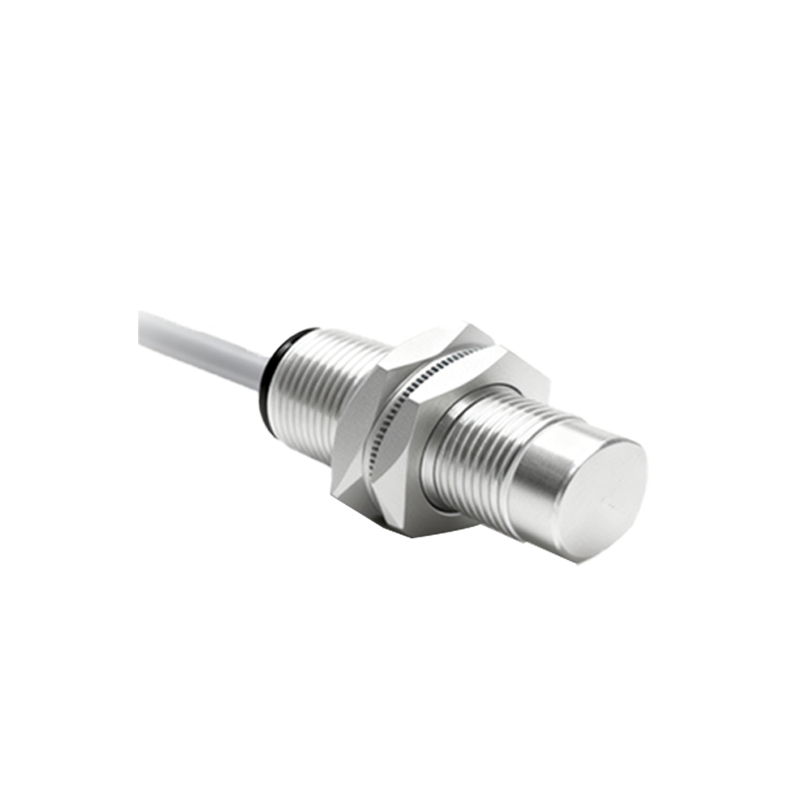
Looking ahead, advancements in sensor technology, such as the development of smart sensors with embedded diagnostics and IoT capabilities, are set to further revolutionize mixer host operations. These innovations promise greater data granularity and remote monitoring options, enabling more agile and responsive mixing processes. As industries continue to embrace automation and digitalization, the role of proximity sensors will only grow in importance, driving improvements in productivity and quality control.
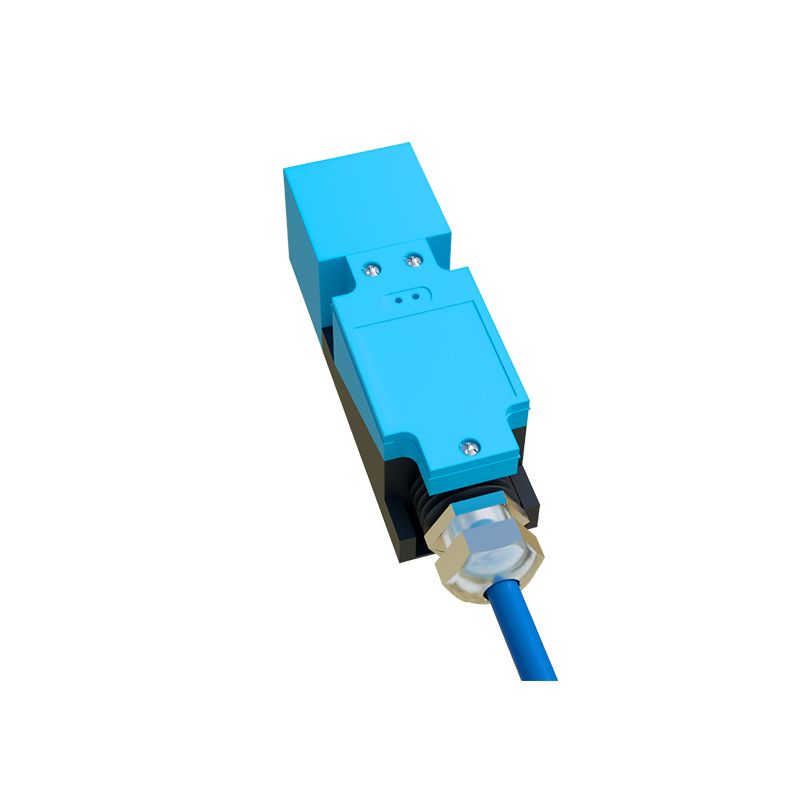
In conclusion, proximity sensors are indispensable components in mixer hosts, offering a blend of precision, reliability, and safety that underpins modern industrial mixing. By understanding their principles and applications, electrical engineers can optimize mixer designs and operations, ensuring that these systems meet the demanding standards of today's manufacturing landscapes. Whether in a small-scale laboratory mixer or a large industrial batch processor, the strategic use of proximity sensors can lead to significant gains in performance and sustainability.