In the realm of industrial automation and safety systems, gas-proof proximity sensors stand as critical components for detecting objects and ensuring operational integrity in hazardous areas where flammable gases, vapors, or dust may be present. Companies specializing in these advanced devices play a pivotal role in safeguarding personnel, equipment, and facilities across sectors such as oil and gas, chemical processing, mining, and pharmaceuticals. By integrating robust engineering with cutting-edge technology, these firms deliver solutions that not only enhance safety but also optimize efficiency in challenging environments.
The core function of a gas-proof proximity sensor is to detect the presence or absence of an object without physical contact, utilizing technologies like inductive, capacitive, or magnetic principles. In explosive atmospheres classified under standards such as ATEX (Europe) or IECEx (international), these sensors are designed with stringent enclosures and certifications to prevent ignition sources. Leading companies in this niche invest heavily in research and development to innovate sensors that offer high precision, durability, and resistance to extreme conditions like temperature fluctuations, corrosion, and pressure variations. For instance, modern sensors may feature non-intrusive designs, allowing for easy installation and maintenance without compromising safety seals.
A key aspect of these companies' offerings is their adherence to global safety regulations. By complying with directives like ATEX Directive 2014/34/EU and IEC 60079 series, they ensure that their products meet rigorous testing for explosion protection. This involves designing sensors with intrinsic safety barriers, flameproof enclosures, or increased safety measures to mitigate risks. Moreover, top-tier firms often provide comprehensive support, including risk assessment consultations, custom engineering for specific applications, and after-sales services to guarantee long-term reliability. For example, in oil refineries, gas-proof proximity sensors are deployed to monitor valve positions or detect equipment movements, enabling automated shutdowns in case of anomalies and preventing potential disasters.
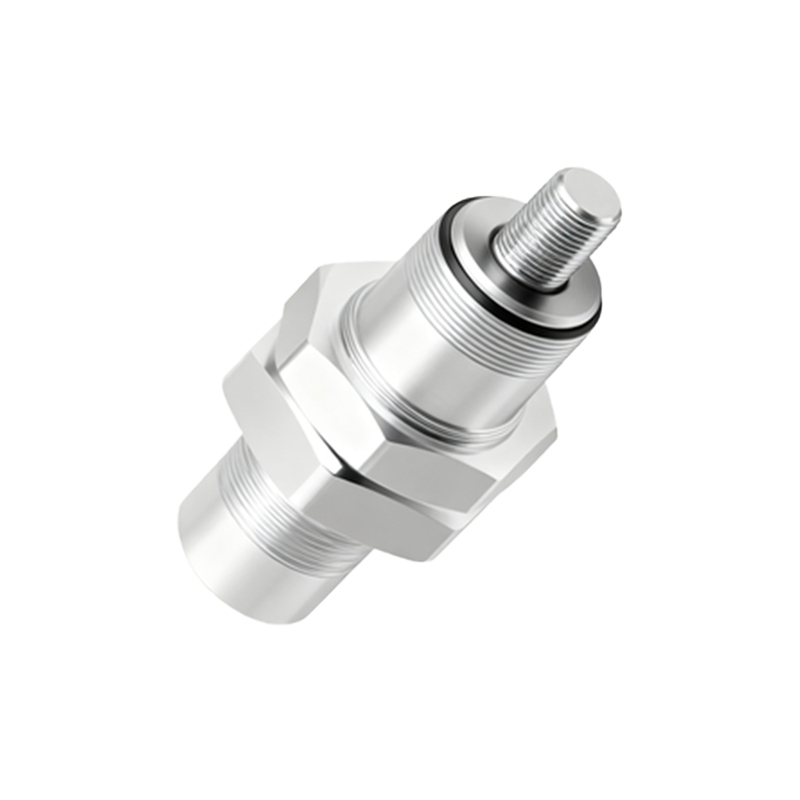
Technological advancements are driving evolution in this sector. Companies are increasingly incorporating smart features such as IoT connectivity, which allows for real-time data monitoring and predictive maintenance. Wireless sensors, for instance, reduce wiring complexities in hazardous zones, while digital interfaces enable seamless integration with control systems like PLCs (Programmable Logic Controllers). Additionally, the use of materials like stainless steel or specialized polymers enhances sensor longevity in corrosive environments. By leveraging these innovations, gas-proof proximity sensor companies contribute to Industry 4.0 initiatives, promoting safer and more efficient industrial operations.
Despite the progress, challenges persist, such as the need for cost-effective solutions without sacrificing quality, or adapting to diverse regional standards. Forward-thinking companies address this by fostering collaborations with industry partners and investing in sustainable practices. Ultimately, the expertise of gas-proof proximity sensor manufacturers is indispensable for modern industry, as they bridge the gap between operational demands and safety imperatives. Through continuous innovation and a commitment to excellence, these firms empower businesses to navigate hazardous environments with confidence, ensuring that safety remains a non-negotiable priority in the pursuit of industrial advancement.