Proximity sensors are indispensable components in modern industrial automation, playing a critical role in object detection, positioning, and process control without physical contact. A fundamental and frequently asked question by engineers and system integrators is: "What is the application range of a proximity sensor, typically measured in millimeters or inches?" However, in the context of high-speed or specialized applications, this inquiry sometimes extends to the sensor's performance in terms of frequency, loosely interpreted as "how many K" it can handle. This article clarifies this concept, detailing the operational ranges and key factors influencing the effective sensing capability of various proximity sensor technologies.
Firstly, it is essential to distinguish between sensing distance and switching frequency. The sensing range, or nominal sensing distance (Sn), is the rated distance at which a standard target can be reliably detected. This is a spatial measurement. For inductive proximity sensors (common for metal detection), typical ranges vary from 1-2 mm for miniature models to 30-40 mm for larger cylindrical types. Capacitive sensors (for non-metallic materials) often have similar or slightly shorter ranges. Ultrasonic sensors offer much longer ranges, from a few centimeters up to several meters. Magnetic sensors (reed or Hall effect) have ranges highly dependent on the magnet's strength but are usually limited to short distances.
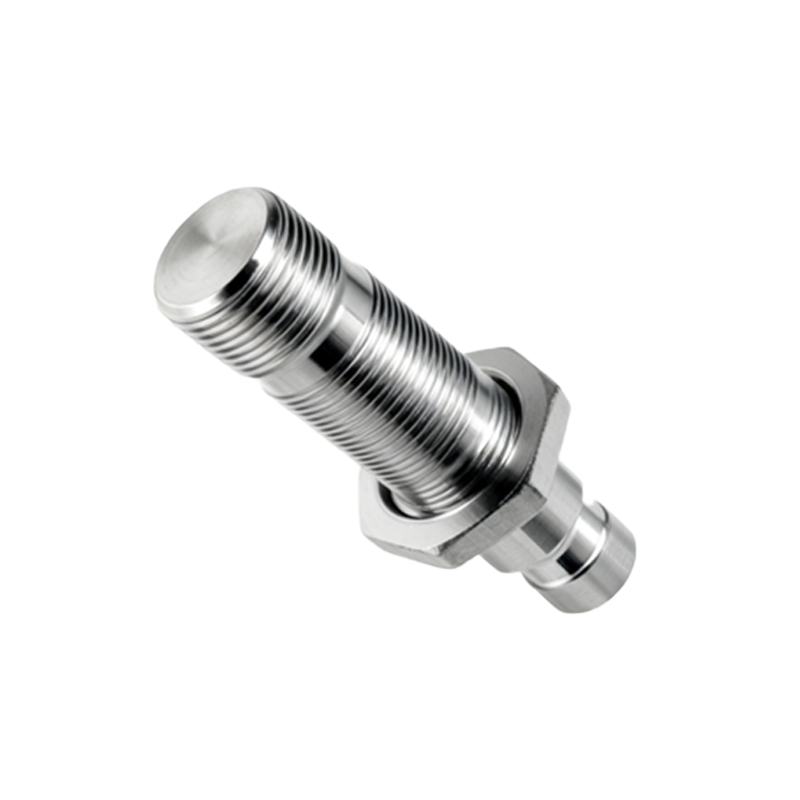
The "K" reference, when not pertaining to distance, generally points to the sensor's switching frequency or response frequency, measured in Hertz (Hz) or kilohertz (kHz). This parameter defines how many detection cycles (on/off operations) the sensor can perform per second. It is crucial for high-speed counting, sorting, or monitoring fast-moving objects on production lines. For instance, a standard inductive sensor might have a switching frequency of 500 Hz to 2 kHz (0.5 to 2 kHZ). High-speed variants can reach 5 kHz, 10 kHz, or even higher. Therefore, when an engineer asks about the range in "K," they are likely inquiring about the operational speed in kilohertz, not a spatial range in kilometers.
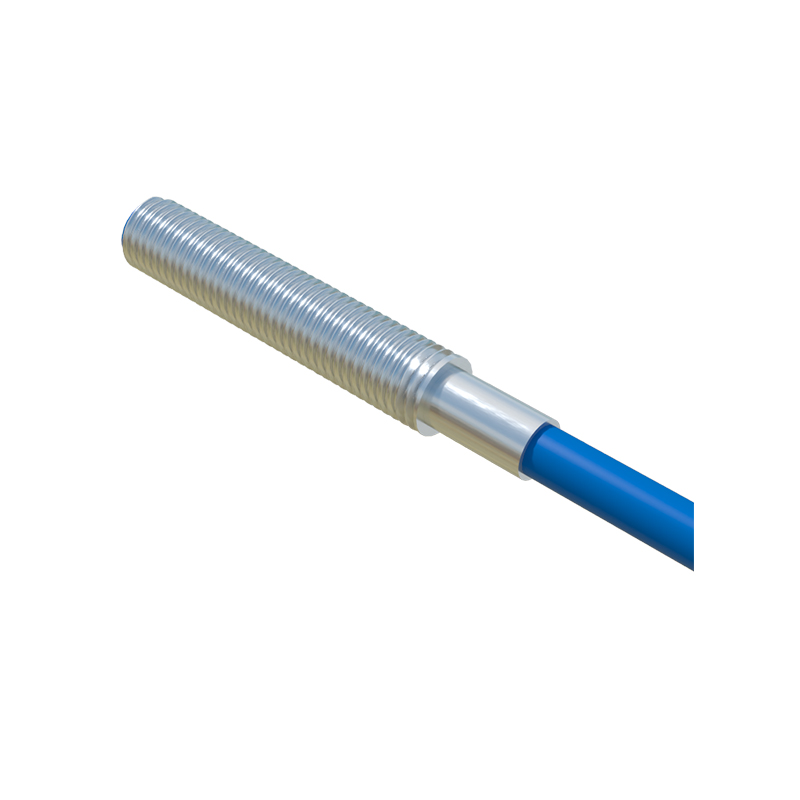
Several core factors determine both the effective sensing distance and the maximum reliable switching frequency of a proximity sensor.
1. Sensor Technology: Inductive sensors are fast and robust for metals but have limited range. Capacitive sensors are influenced by the material's dielectric constant and environmental humidity. Ultrasonic sensors have longer ranges but slower response times (lower frequency). Photoelectric sensors (though not always classified as "proximity" in the strictest sense) offer versatile ranges and high speeds, with modulated versions minimizing interference.
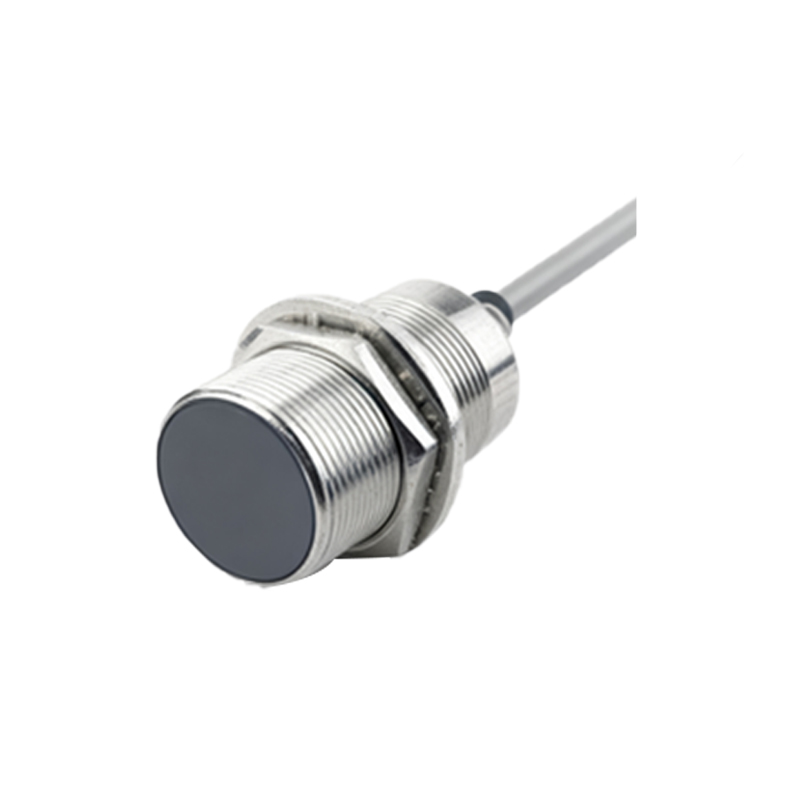
2. Target Material and Size: For inductive sensors, the target's metal type (steel, aluminum, copper) and size relative to the sensor face significantly affect the actual sensing distance. A standard target is typically a square of mild steel with a side length equal to the sensor's diameter or the rated sensing distance. Smaller or non-ferrous targets reduce the effective range.
3. Environmental Conditions: Temperature extremes, dust, oil, cutting fluids, and strong electromagnetic interference can attenuate sensing performance. High temperatures can reduce the sensing distance and potentially damage internal components. Washdown or harsh-duty sensors are built to withstand these conditions but may have specified derating factors.
4. Installation and Alignment: Proper mounting is paramount. Flush-mountable sensors (shielded) can be installed in metal without affecting their rating, but their range is shorter. Non-flush (unshielded) sensors have a longer range but require a metal-free zone around the sensing face. Incorrect alignment with the target can drastically reduce reliability.
5. Electrical Characteristics and Output Type: The sensor's output circuit (PNP/NPN, analog, IO-Link) and load capacity influence its response time. Two-wire AC/DC sensors typically have slower switching speeds than three-wire DC models. Analog sensors provide a continuous distance-proportional signal, while digital sensors provide a discrete on/off signal.
In practical application, selecting the correct sensor involves a careful balance of these parameters. For a high-speed packaging line counting small metal components, a high-frequency (e.g., 10 kHz) inductive sensor with a short, precise sensing range would be specified. For detecting the level of plastic granules in a silo, a capacitive sensor with a lower switching frequency but appropriate material sensitivity would be chosen. For precise distance measurement of a pallet on a conveyor, an ultrasonic sensor with a longer range and slower update rate might be ideal.
In conclusion, the "application range" of a proximity sensor is a multi-faceted specification encompassing both spatial sensing distance and temporal switching frequency. The spatial range is defined in millimeters for most industrial sensors, with specific technologies defining practical limits. The performance in "K" (kilohertz) refers to