Linear proximity sensors are critical components in modern industrial automation, offering non-contact detection of metallic objects with high precision and reliability. High-definition images of these sensors provide invaluable insights into their design, installation, and operational characteristics, enabling engineers and technicians to optimize system performance. This article explores the significance of high-quality visual documentation for linear proximity sensors, detailing key features visible in such images and their practical implications in industrial settings.
High-definition images typically reveal the robust construction of linear proximity sensors, which are often housed in stainless steel or nickel-plated brass casings to withstand harsh environments. These enclosures protect internal components such as the oscillator, trigger circuit, and output amplifier from dust, moisture, and mechanical impact. In detailed photos, one can observe the sensor's face or sensing area, where an electromagnetic field is generated. The size and shape of this area, clearly visible in close-up shots, directly influence the sensor's detection range and sensitivity. For instance, cylindrical sensors with threaded barrels, commonly used in machining applications, show distinct mounting threads and sealing rings in high-resolution images, highlighting their suitability for embedded installations.
The electrical connections of linear proximity sensors are another focal point in high-definition imagery. Clear photos display the cable or connector types, such as M8 or M12 connectors, which are standard in industrial automation for quick deployment and maintenance. Wiring configurations, including the number of cores (e.g., 3-wire or 4-wire designs) and color coding, are easily discernible, aiding in correct integration with PLCs (Programmable Logic Controllers) and other control systems. Additionally, LED indicators for power and output status are often visible in images, providing visual feedback on sensor operation—a feature crucial for troubleshooting in dynamic production lines.
From a technical perspective, high-definition images allow for the examination of sensing technologies employed in linear proximity sensors. Inductive sensors, the most common type for detecting ferrous metals, show a coil assembly in internal cutaway views, while capacitive variants, used for non-metallic materials, display different electrode arrangements. These visual details help users select the appropriate sensor based on material composition and application requirements, such as in packaging or woodworking industries. Moreover, images can illustrate the sensor's output characteristics, including analog outputs (e.g., 4-20 mA or 0-10 V) for distance measurement or digital outputs (e.g., PNP or NPN) for simple object detection, with labeling often visible on the housing.
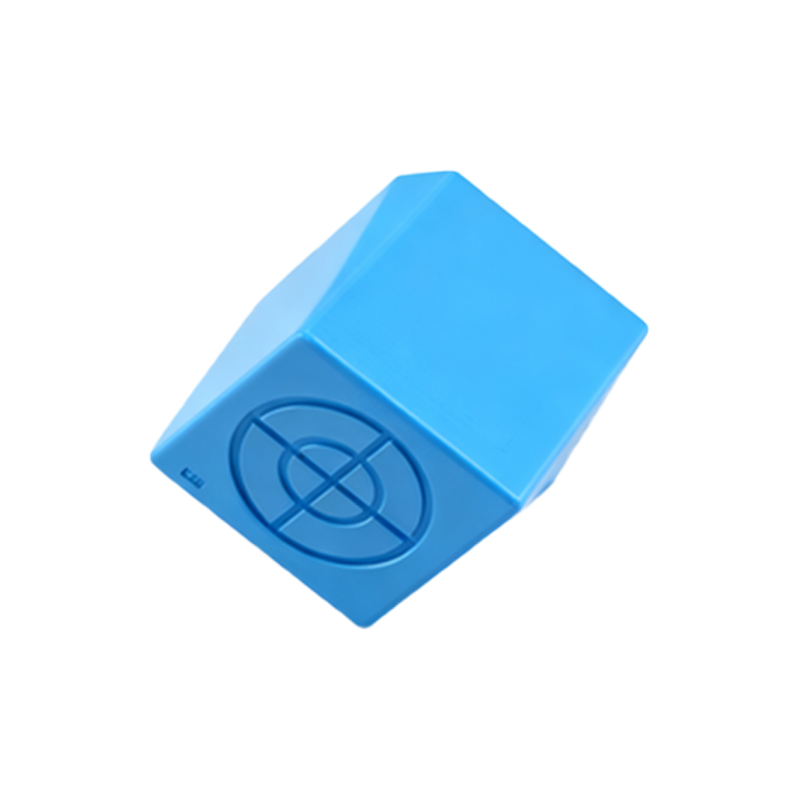
In practical applications, high-definition images support installation and alignment processes. For example, in automotive assembly lines, linear proximity sensors monitor the position of robotic arms or conveyor components. Clear photos demonstrate mounting brackets, alignment marks, and recommended clearance distances, reducing setup errors and enhancing repeatability. Environmental factors, such as temperature ratings or IP (Ingress Protection) codes, are frequently indicated on sensor labels in images, ensuring compliance with safety standards in sectors like food processing or chemical manufacturing.
The advent of digital documentation has further elevated the utility of high-definition images. Online catalogs and technical datasheets now incorporate zoomable photos, allowing engineers to inspect minute details like part numbers, certification marks (e.g., CE or UL), and calibration points. This visual accessibility streamlines procurement and maintenance workflows, minimizing downtime in high-throughput facilities. Furthermore, comparison images between different models—such as shielded versus unshielded sensors—aid in understanding magnetic field behaviors and potential interference issues.
In conclusion, high-definition images of linear proximity sensors serve as essential tools for industrial professionals, bridging the gap between theoretical specifications and real-world implementation. By offering clear visual references, they enhance decision-making, improve system reliability, and foster innovation in automation projects. As industries evolve toward smarter manufacturing, the demand for precise visual data will only grow, making high-quality imagery a cornerstone of effective engineering practice.