Inductive proximity sensors are pivotal components in modern industrial automation, particularly in side-hole machine applications where precision, reliability, and durability are non-negotiable. These non-contact sensors detect metallic objects without physical interaction, leveraging electromagnetic fields to ensure seamless operation in demanding environments. This article delves into the technical principles, selection criteria, and implementation strategies for inductive proximity sensors in side-hole machinery, offering insights for engineers and industry professionals.
At the core of an inductive proximity sensor lies an oscillator circuit that generates a high-frequency electromagnetic field. When a metallic target enters this field, eddy currents are induced on the target's surface, causing a change in the sensor's oscillation amplitude. This alteration is detected by a threshold circuit, which triggers an output signal—typically a switching action. The sensing range depends on factors like target material, size, and sensor design, with ferrous metals generally offering longer detection distances compared to non-ferrous metals. In side-hole machines, where components like bolts, shafts, or metal plates must be precisely positioned or counted, this technology enables accurate, repeatable detection even in confined spaces or under high-vibration conditions.
Selecting the right inductive proximity sensor for side-hole applications requires careful consideration of several parameters. First, the sensor's housing material and ingress protection (IP) rating are critical, as side-hole machines often operate in environments exposed to coolants, metal chips, or dust. Stainless steel or nickel-plated brass housings with IP67 or higher ratings are recommended to withstand harsh conditions. Second, the sensing distance must be optimized; too short a range may miss targets, while excessive range could cause false triggers from nearby objects. Engineers should refer to datasheet specifications, noting the nominal sensing distance (Sn) and ensuring it aligns with the machine's mechanical tolerances. Third, output types—such as NPN, PNP, or analog—should match the control system's requirements. For instance, PNP (sourcing) outputs are common in European systems, while NPN (sinking) outputs prevail in Asian markets. Additionally, frequency response and temperature stability are vital for high-speed or extreme-temperature operations common in drilling, milling, or tapping processes.
Installation and alignment play a crucial role in sensor performance. In side-hole machines, sensors are often mounted near rotating parts or within narrow cavities, necessitating compact designs like cylindrical or rectangular form factors. Proper shielding (e.g., shielded sensors for flush mounting) prevents interference from surrounding metals, while unshielded sensors offer extended ranges but require clearance from adjacent structures. Alignment should ensure the target approaches the sensor axially for optimal sensitivity, and wiring must follow EMI/RFI guidelines to avoid signal degradation. Regular maintenance, including cleaning of sensor faces and checking for mechanical wear, helps sustain long-term reliability.
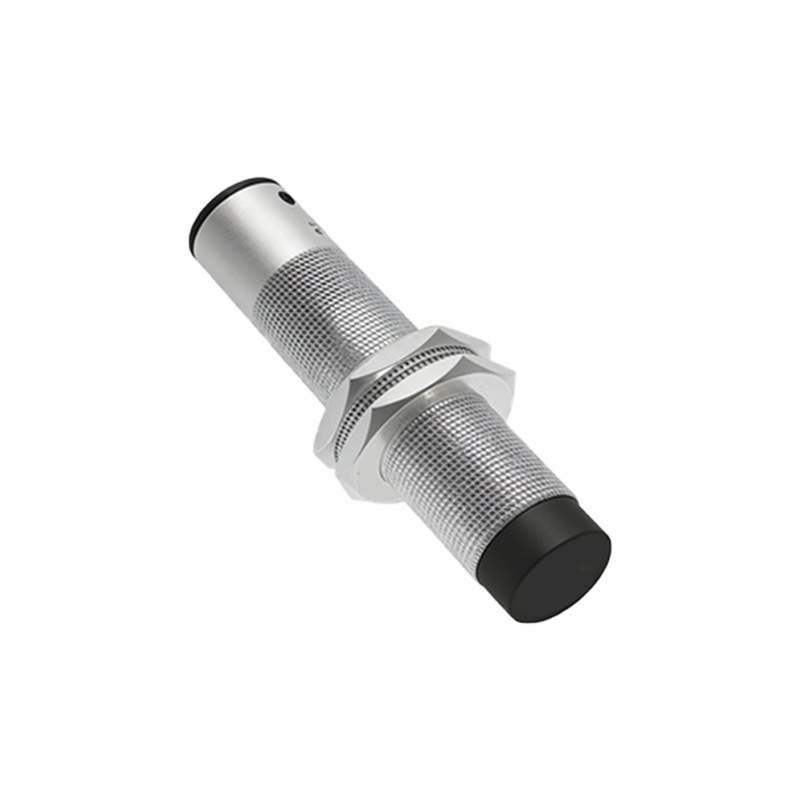
Advancements in inductive sensor technology continue to enhance side-hole machine efficiency. Modern sensors integrate features like IO-Link communication for real-time diagnostics and parameter adjustments, reducing downtime. Some models offer weld-field immunity, making them suitable for welding environments where spatter or magnetic fields could disrupt operation. Additionally, miniaturization has led to sensors as small as M5 threads, enabling integration into tight spaces without compromising performance. As Industry 4.0 evolves, these sensors contribute to predictive maintenance and data-driven optimization, aligning with smart manufacturing trends.
In conclusion, inductive proximity sensors are indispensable for side-hole machines, offering robust, non-contact detection of metallic objects. By understanding their operating principles, selection criteria, and installation best practices, engineers can maximize machine uptime and precision. As industrial automation advances, these sensors will remain key enablers of efficiency and innovation in machining applications.