Proximity sensors have become indispensable components in modern industrial automation and control systems. These non-contact detection devices offer a range of distinctive characteristics that make them superior to traditional mechanical limit switches in countless applications. Their core function is to detect the presence or absence of an object within a specified sensing range without any physical contact, leading to enhanced reliability, longevity, and operational efficiency.
One of the most significant characteristics of proximity sensors is their non-contact operation. This fundamental feature eliminates mechanical wear and tear associated with physical switches, dramatically increasing the sensor's operational life and reducing maintenance costs. Since there is no physical impact during detection, both the sensor and the target object are protected from damage, making them ideal for delicate or high-speed applications. This non-invasive nature also allows for the detection of fragile, soft, or liquid materials that could be damaged by a mechanical probe.
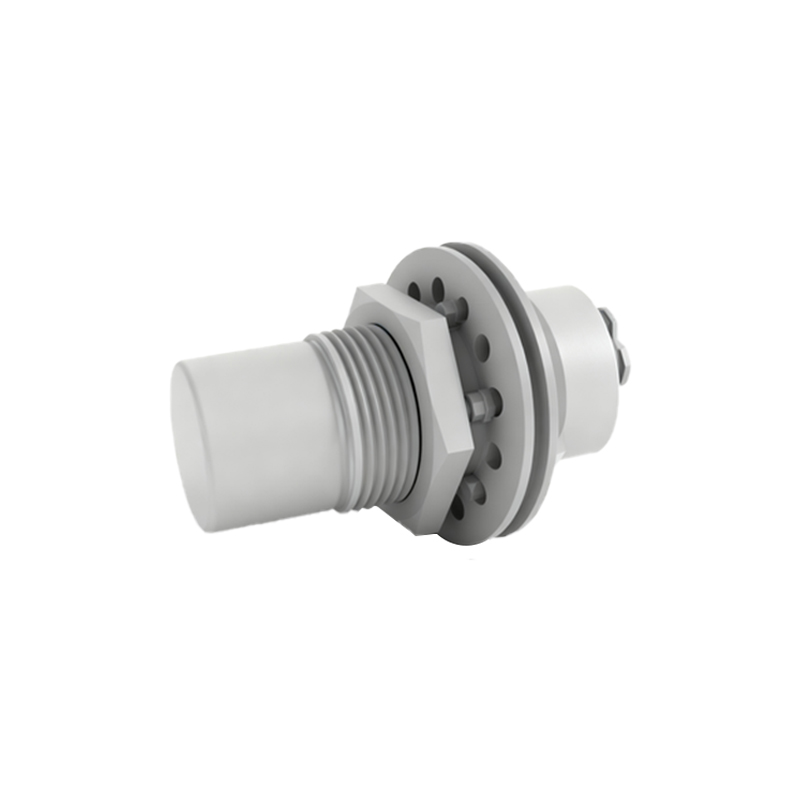
Another critical feature is their high switching frequency and fast response time. Modern inductive, capacitive, and photoelectric proximity sensors can detect objects at speeds far exceeding the capability of any mechanical device. This enables their use in high-speed production lines, packaging machinery, and sorting systems where rapid and precise detection is paramount for throughput and quality control. The consistent and repeatable sensing distance ensures reliable operation cycle after cycle.
Proximity sensors are renowned for their environmental robustness. They are typically housed in rugged, sealed enclosures made from materials like nickel-plated brass, stainless steel, or PBT plastic. This construction provides high resistance to environmental factors such as dust, dirt, oil, coolants, and vibration. Many models boast IP67, IP68, or even IP69K ratings, meaning they can withstand harsh washdowns, submersion, and extreme industrial environments where mechanical switches would fail. This durability ensures stable performance in challenging conditions found in automotive manufacturing, food and beverage processing, and metalworking.
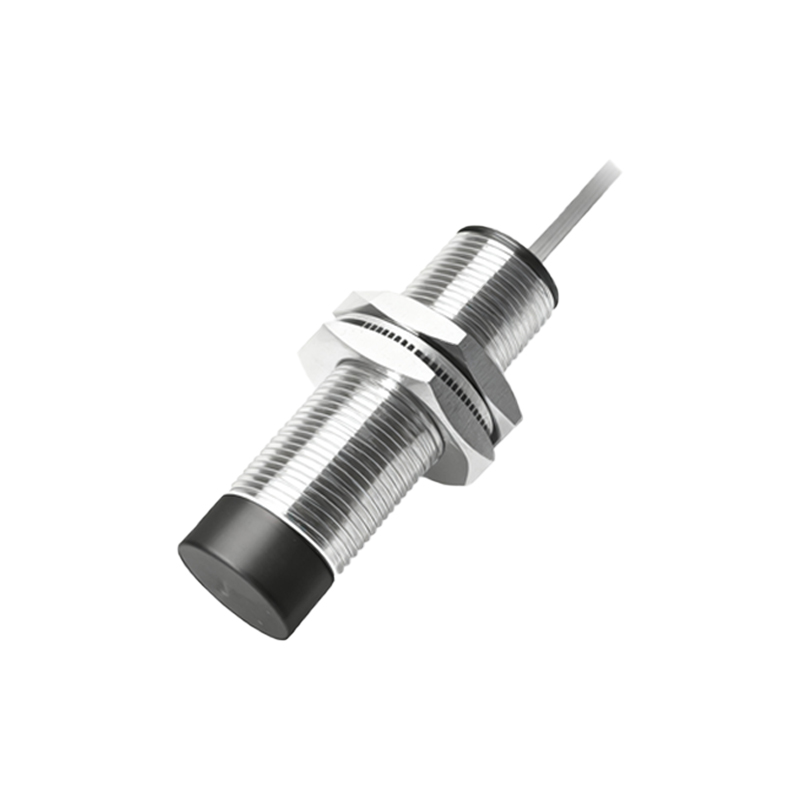
The variety of sensing principles—primarily inductive, capacitive, and magnetic—allows for tailored application solutions. Inductive sensors are the workhorses of metal detection. They generate an electromagnetic field and detect the eddy current losses caused by a metallic target. Their characteristics include precise sensing ranges for ferrous and non-ferrous metals, high resistance to environmental interference, and insensitivity to non-metallic substances like dust or water. They are extensively used for position detection of machine parts, end-of-travel limits, and counting metal objects.
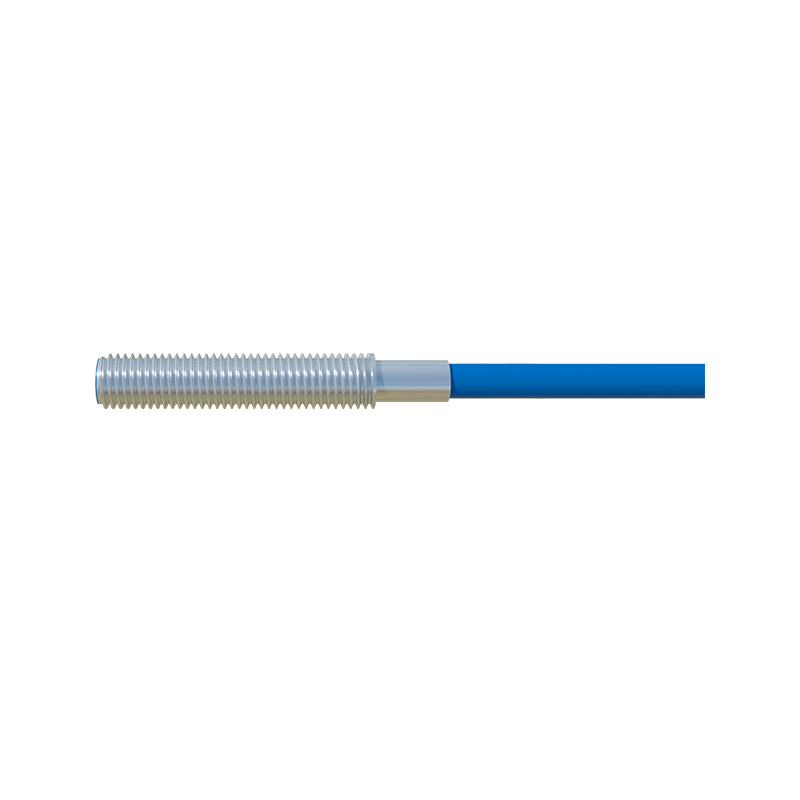
Capacitive sensors, on the other hand, can detect nearly any material—metals, plastics, glass, wood, liquids, and granules. They function by detecting changes in the capacitance of an electrical field. A key characteristic is their ability to sense through non-metallic container walls, making them perfect for liquid level detection in tanks, bulk material level control in silos, or detecting the presence of non-metallic products on a conveyor. Their sensitivity is often adjustable to ignore container walls and focus on the target material.
Magnetic proximity sensors (often reed or Hall-effect types) specifically detect permanent magnets. Their hallmark characteristic is the ability to operate over very long distances relative to their size and through non-magnetic barriers like aluminum, stainless steel, plastic, or wood. This makes them ideal for secure, concealed position sensing in doors, cylinders, and safety systems.
Furthermore, the output versatility of proximity sensors is a major advantage. They provide solid-state switching outputs (typically NPN or PNP DC configurations) that interface seamlessly with Programmable Logic Controllers (PLCs), motor drives, and other control systems. Analog output versions provide continuous distance or signal strength information for more complex control tasks like positioning or thickness measurement. The advent of IO-Link enabled sensors adds a new dimension, allowing for digital parameter setting, advanced diagnostics, and process data exchange, paving the way for Industry 4.0 predictive maintenance strategies.
In application, these characteristics translate into tangible benefits. On assembly lines, they ensure precise component positioning for robotic arms. In automated warehousing, they provide accurate pallet detection for stacker cranes. In the automotive sector, they monitor robotic weld gun positions and confirm part presence in fixtures. Their hermetic sealing allows them to be used directly in hydraulic cylinders for piston position feedback. The absence of contact points prevents sparking, a crucial safety feature in potentially explosive atmospheres when designed with appropriate certifications (e.g., ATEX, IECEx).
In conclusion, the defining characteristics of proximity sensors—non-contact operation, high speed and frequency, environmental durability, material-specific sensing principles, and output versatility—collectively address the core demands of modern industry: increased productivity, enhanced reliability, reduced downtime, and greater operational safety. Their continued evolution with smarter features ensures they will remain a foundational technology in the advancement of industrial automation.