In the world of industrial automation and machinery, proximity sensors are indispensable components. They detect the presence or absence of objects without physical contact, ensuring smooth, reliable, and efficient operations. However, selecting the right proximity sensor often involves a delicate balance between performance requirements and budget constraints. Price is a critical factor, but it should not be the sole determinant. Understanding what influences the cost and how it correlates with performance is key to making an informed, cost-effective decision.
First, let's examine the primary types of proximity sensors and their typical price ranges. Inductive sensors, used for detecting metallic objects, are generally the most affordable, with prices starting as low as $20 for basic models. Capacitive sensors, capable of detecting both metallic and non-metallic materials like liquids or plastics, tend to be slightly more expensive, often ranging from $30 to $100. Ultrasonic sensors, offering longer detection ranges and the ability to sense various materials, usually fall in the $50 to $200 bracket. Photoelectric sensors, known for their versatility and long-range capabilities, can vary widely from $25 to over $300 depending on features. Finally, specialized or high-performance models, such as those with extended temperature ranges, high IP ratings for harsh environments, or analog outputs, can command prices from $100 to $500 or more.
Several core factors directly impact the price of a proximity sensor. Detection range is a major one; sensors with longer ranges require more sophisticated components and engineering, increasing cost. Sensing technology itself plays a role—inductive sensors are typically cheaper to manufacture than ultrasonic or advanced photoelectric types. The build quality and housing material also matter. Sensors designed with stainless steel housings or higher Ingress Protection (IP) ratings (like IP67 or IP69K) for dust and water resistance are more costly than standard plastic or lower IP-rated units. Output configuration is another consideration. Basic models with simple digital (PNP/NPN) outputs are less expensive than those offering analog outputs (4-20mA, 0-10V) or IO-Link communication, which provide more data and integration capabilities. Brand reputation and associated services (warranty, technical support) also contribute to the price premium of established manufacturers.
When evaluating cost, it's crucial to consider the Total Cost of Ownership (TCO), not just the initial purchase price. A cheaper sensor might seem attractive upfront, but if it fails prematurely in a critical application, the resulting downtime, production losses, and replacement labor can far outweigh the initial savings. Conversely, a more expensive, robust sensor with higher reliability and a longer lifespan often provides better value over time. Consider the application's demands: Is it a harsh environment with moisture, chemicals, or temperature extremes? Does it require high-speed detection or extreme precision? Investing in a sensor specifically designed for these conditions prevents frequent failures and maintenance costs.
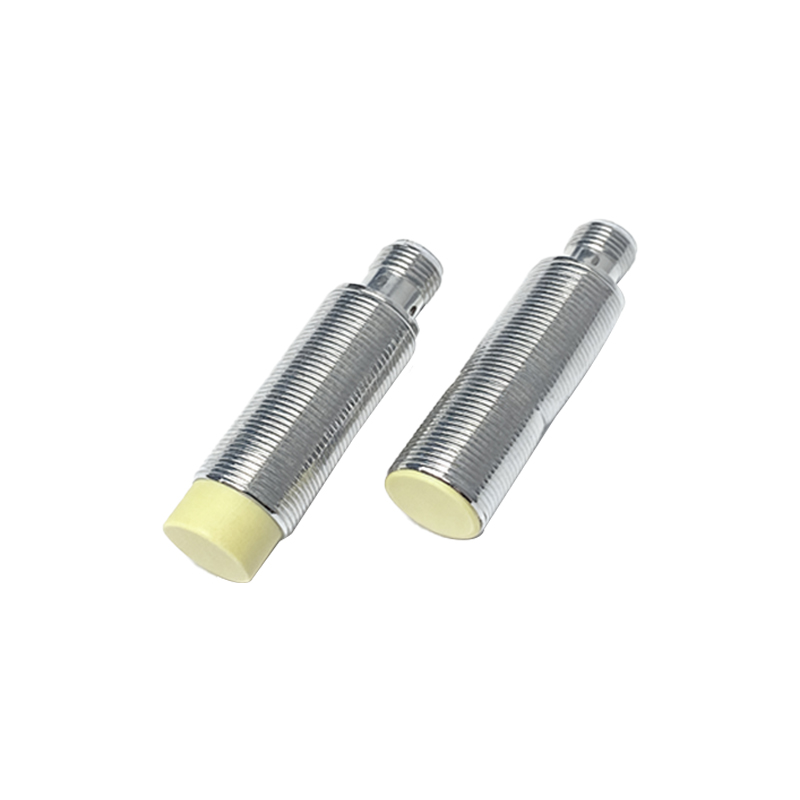
To optimize your budget, start by clearly defining your application requirements. What material are you detecting? What is the required sensing distance? What are the environmental conditions (temperature, humidity, potential washdowns)? What output signal does your control system need? Answering these questions will narrow down the sensor type and necessary features, preventing you from overpaying for capabilities you don't need. For non-critical, standard applications, a mid-range sensor from a reliable supplier often offers the best balance. For high-volume purchases, explore quantity discounts from distributors or manufacturers. Finally, don't overlook compatibility with existing systems; a sensor that integrates seamlessly can save significant installation and configuration time and money.
In conclusion, the price of a proximity sensor is a reflection of its technology, capabilities, durability, and support. While budget is always a consideration, the goal should be to select a sensor that delivers the required performance and reliability for your specific application at the lowest total cost of ownership. By carefully assessing technical needs against cost factors, engineers and procurement specialists can make smart investments that ensure operational efficiency and long-term savings, rather than opting for a low initial price that leads to higher expenses down the line.