In the realm of mobile device engineering, the gap proximity sensor stands as a critical component that often goes unnoticed by end-users, yet it plays a pivotal role in enhancing user experience and device functionality. This sensor, typically integrated near the earpiece or front-facing camera of smartphones, is designed to detect the presence of objects in close proximity to the device, primarily to prevent accidental touch inputs during calls or conserve battery life by turning off the display when the phone is held to the ear.
The operational principle of the gap proximity sensor is rooted in infrared (IR) technology. It consists of an IR emitter and an IR receiver, separated by a small physical gap—hence the name. The emitter sends out infrared light, which, when reflected by a nearby object such as a user's face, is captured by the receiver. By measuring the intensity of the reflected light, the sensor determines the distance to the object. This data is then processed by the device's microcontroller to trigger specific actions, like deactivating the touchscreen to avoid unintended button presses during a call.
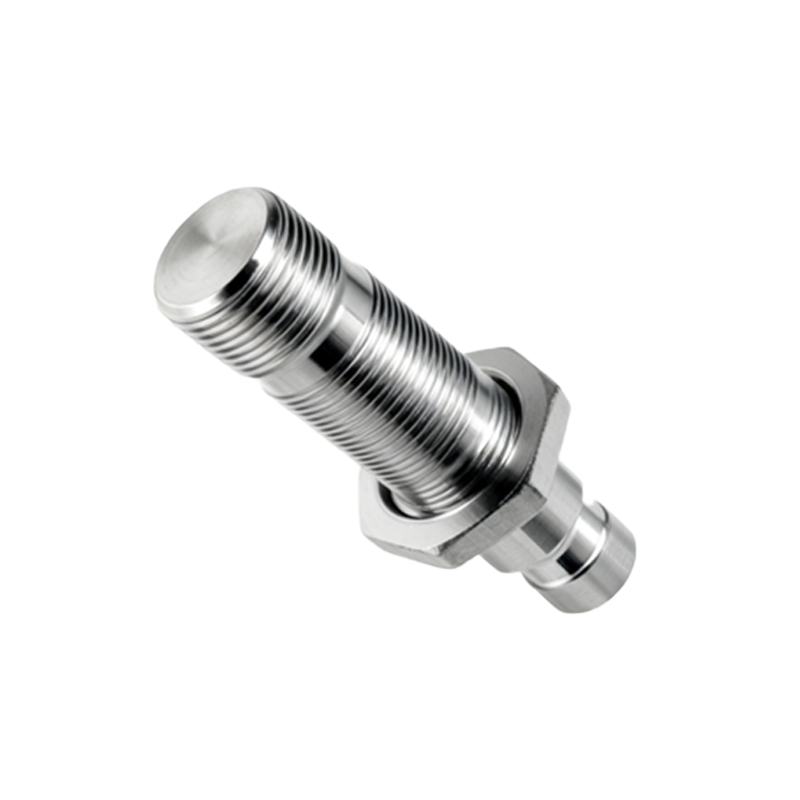
From an electrical engineering perspective, the design of gap proximity sensors involves careful consideration of several factors. First, the wavelength of the IR light must be optimized to minimize interference from ambient light sources, such as sunlight or artificial lighting, which could lead to false readings. Engineers often employ filters or modulated IR signals to enhance accuracy. Second, the gap between the emitter and receiver is meticulously calibrated to balance sensitivity and power consumption. A smaller gap can improve detection precision but may increase the risk of crosstalk, where the emitter's light directly reaches the receiver without reflection, causing malfunctions. Conversely, a larger gap might reduce sensitivity, requiring higher power output from the emitter, which impacts battery life.
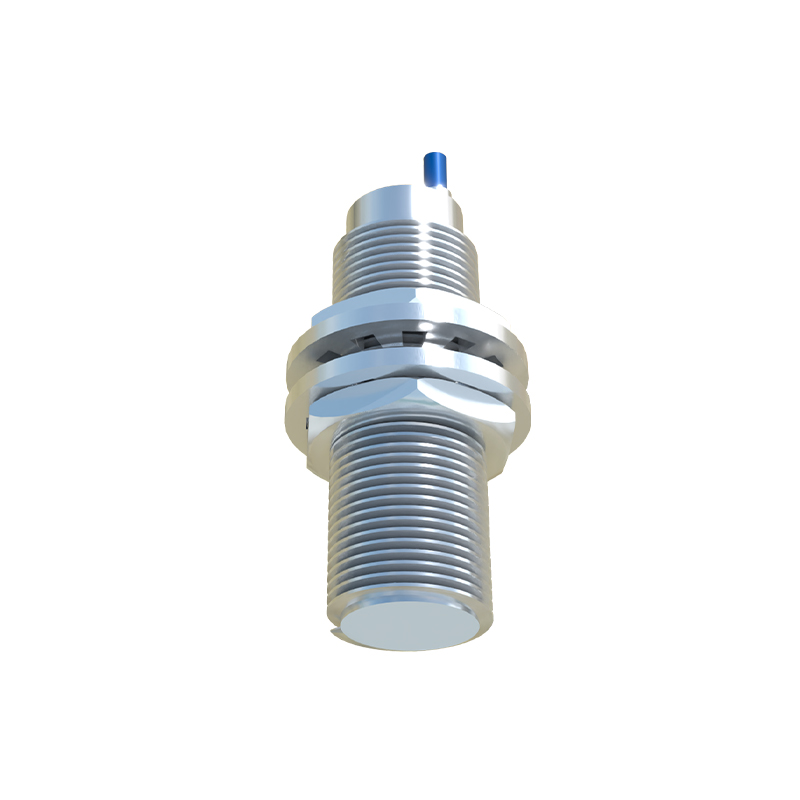
In modern smartphones, the integration of gap proximity sensors has evolved with advancements in miniaturization and multi-functionality. Many devices now combine this sensor with ambient light sensors or even 3D facial recognition systems, creating compact sensor arrays that save space and reduce manufacturing costs. For instance, in flagship models, the gap proximity sensor is often embedded within the display or bezel, contributing to sleek, edge-to-edge designs without compromising performance.
However, challenges persist in the deployment of these sensors. Environmental factors, such as dust accumulation or moisture in the gap, can degrade signal integrity, leading to unreliable operation. To mitigate this, manufacturers implement protective coatings or hermetic sealing techniques. Additionally, software algorithms are crucial for interpreting sensor data accurately; they must account for variations in object reflectivity and movement to prevent errors like premature screen reactivation.
Looking ahead, the future of gap proximity sensors in mobile devices is intertwined with trends in IoT and wearable technology. As devices become more interconnected, these sensors could enable new features, such as gesture-based controls or enhanced safety mechanisms in automotive applications. Innovations in materials science, like the use of graphene-based IR detectors, may further improve sensitivity and energy efficiency.
In conclusion, the gap proximity sensor exemplifies how subtle engineering solutions can significantly impact daily technology use. By bridging hardware design with software intelligence, it ensures seamless interactions between users and their devices, underscoring the importance of precision in electrical component development. As mobile technology continues to advance, the evolution of such sensors will remain a key area of focus for engineers aiming to deliver smarter, more responsive gadgets.