In the demanding landscape of industrial automation, high temperature proximity sensors are critical components for ensuring operational reliability and safety in extreme thermal environments. These specialized sensors are engineered to withstand ambient temperatures that would cause standard inductive, capacitive, or photoelectric sensors to fail. Understanding the factors that influence their pricing is essential for engineers and procurement specialists making cost-effective decisions without compromising on performance or durability.
The core determinant of price is the sensor's maximum operating temperature rating. Standard industrial sensors typically function up to 70-85°C. In contrast, high-temperature variants are categorized into several tiers: those rated for 150°C to 200°C, advanced models for 200°C to 350°C, and specialized units capable of exceeding 400°C. Each incremental jump in temperature capability involves significant material science and engineering, leading to a substantial increase in cost. Sensors designed for the 150-200°C range might see a price multiplier of 2-3x compared to standard models. Those rated above 350°C can easily command prices 5 to 10 times higher, due to the use of exotic housing materials like high-grade stainless steels (e.g., 316L), Inconel, or ceramic, and specialized internal components with high-temperature solder and insulation.
Technology type is another major pricing factor. Inductive proximity sensors, used for metallic target detection, are most common. High-temperature inductive sensors often require precision-wound coils with high-temperature wire and advanced ferrite cores, increasing unit cost. High-temperature capacitive sensors for non-metallic material detection involve even more complex dielectric design, often placing them in a higher price bracket. Photoelectric sensors adapted for high-heat zones necessitate specialized lenses and light sources, adding to the expense.
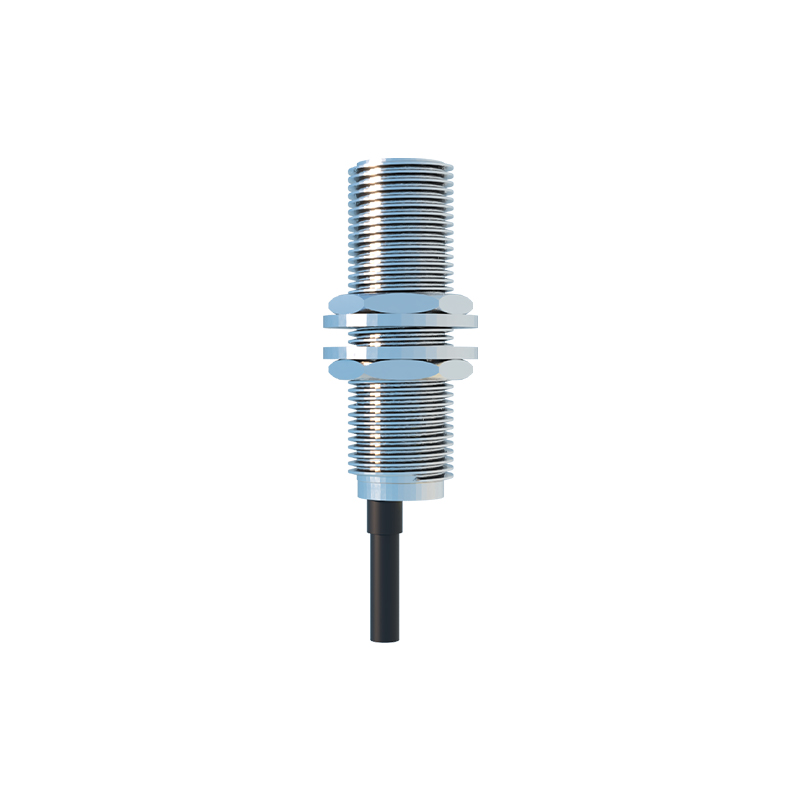
Additional features directly impact the final quotation. Intrinsic safety (ATEX, IECEx) certifications for hazardous areas add a significant premium due to rigorous testing and encapsulation requirements. The choice of electrical connection—pre-wired cables, quick-disconnect (M12, M8), or high-temperature-rated connectors—also affects cost. Extended sensing range under high heat, superior resistance to thermal cycling, and enhanced ingress protection (IP67, IP69K) all contribute to a higher price point.
Brand reputation and supply chain stability are intangible yet crucial cost components. Established manufacturers with proven reliability in sectors like metal casting, glass manufacturing, semiconductor processing, and automotive welding often price their sensors higher. This premium reflects extensive R&D, rigorous quality control, and dependable warranty support. Conversely, newer or generic brands may offer lower initial quotes, but potential risks in longevity and performance in consistent high-heat applications must be carefully evaluated.
Current market dynamics show that lead times can influence pricing, especially for custom-configured sensors. Standard high-temperature sensor models might be readily available, but units with specific housing dimensions, output types (PNP/NPN, analog, IO-Link), or special coatings for corrosive atmospheres may require extended manufacturing cycles, potentially affecting project timelines and total cost of ownership.
For an accurate quotation, it is imperative to provide suppliers with detailed application parameters: the precise ambient and peak temperature, target material, required sensing distance, electrical specifications, housing material preference, and any necessary certifications. A sensor rated for 250°C continuous duty in a clean oven environment will have a different price than one rated for the same temperature but exposed to thermal shock, steam, or abrasive dust in a foundry.
In summary, pricing for high-temperature proximity sensors is not a single figure but a spectrum shaped by technical specifications, environmental challenges, and brand value. Investing in a correctly specified sensor from a reputable supplier minimizes downtime and replacement costs, offering superior long-term value despite a higher initial capital outlay. Always consult directly with technical sales engineers to match the sensor's capabilities precisely to the application's demands for an optimal balance of performance, durability, and cost.