In the realm of industrial automation and machinery design, the question occasionally arises: "Can a proximity sensor itself function as a mounting bracket?" This inquiry often stems from a desire for component consolidation, space-saving, or cost reduction. As a seasoned electrical engineer, I will provide a definitive, technically grounded analysis of this concept, separating practical application from theoretical possibility.
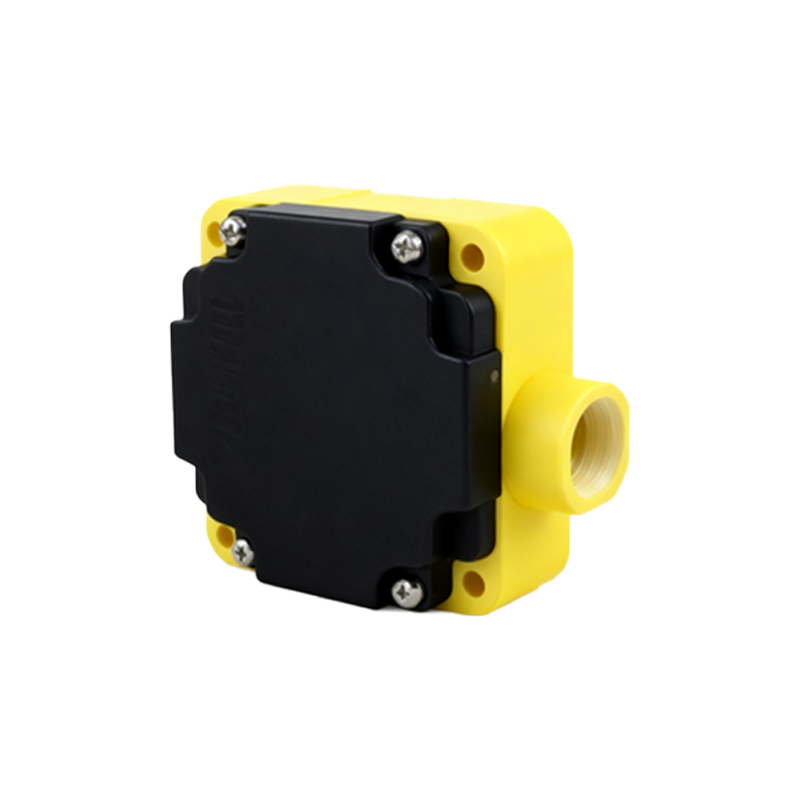
First and foremost, it is crucial to understand the fundamental design and purpose of a proximity sensor. A proximity sensor is a non-contact electronic device designed to detect the presence or absence of an object within its sensing field. Its primary components typically include a sensing face (inductive, capacitive, or optical), an oscillator, a signal converter, and a housing, which is often a threaded metal barrel (e.g., M8, M12, M18, M30) or a rectangular plastic/metal casing. The housing provides environmental protection (commonly rated IP67) and a means for installation—namely, threaded holes or pre-drilled mounting slots.
The core function of the housing is to protect sensitive internal electronics from physical damage, contaminants like dust and coolant, and electromagnetic interference. It is engineered to withstand typical industrial vibrations and minor incidental contact. However, it is not engineered to serve as a primary structural load-bearing element.
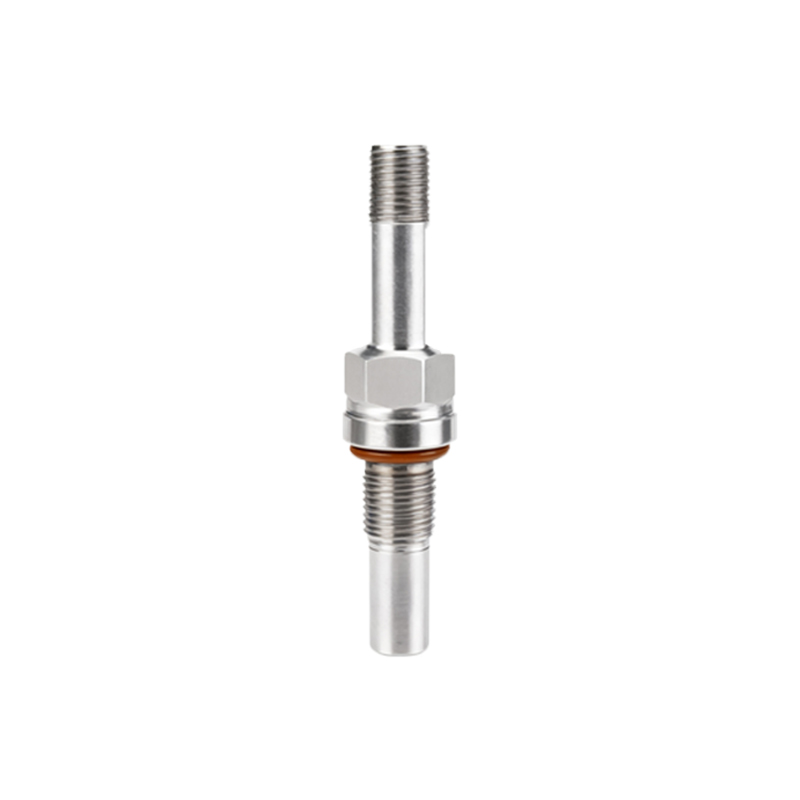
Now, let's address the central question. Technically, the threaded barrel of a standard cylindrical inductive sensor could be screwed into a tapped hole, and an auxiliary component could be attached to it. One might imagine using a long-threaded sensor and placing a nut against a small bracket. However, this approach fundamentally misuses the component. The sensor housing is designed to handle the torsional stress of installation (tightening with a wrench to a specified torque, usually in N·m or lb-in) and the axial load of its own weight. It is not designed to handle significant bending moments, shear forces, or the dynamic loads that a dedicated mounting bracket or arm must endure.
Using a proximity sensor as a bracket poses several critical risks:
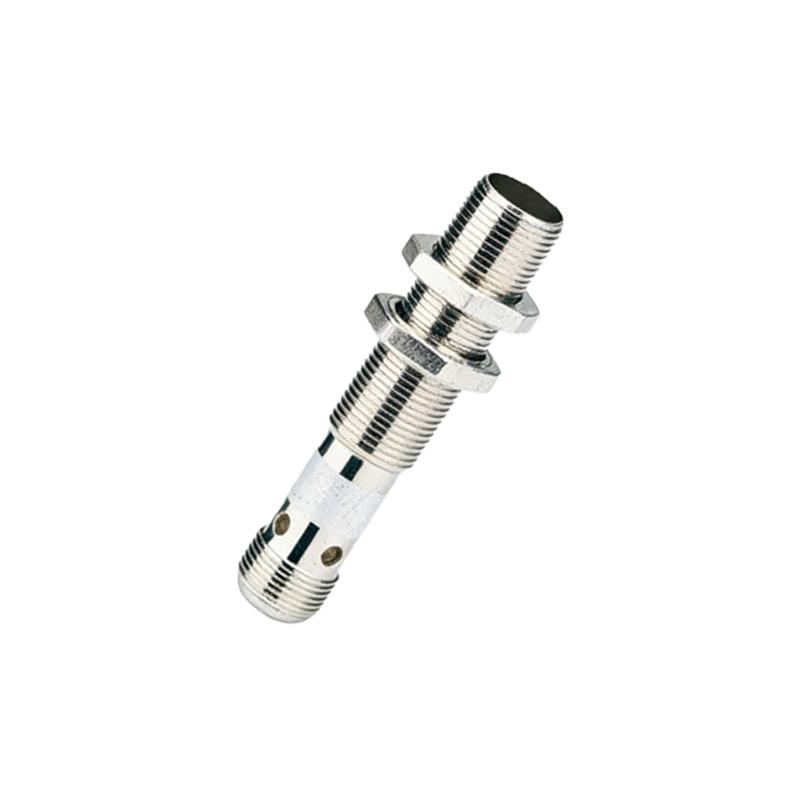
1. Mechanical Failure: The housing, especially at the neck where the threads meet the body or at cable gland entries, is a potential point of failure under unexpected lateral stress. A cracked housing compromises the IP rating, leading to sensor failure.
2. Measurement Inaccuracy: Any deflection or strain on the sensor body can alter the precise alignment of the sensing face. For inductive and capacitive sensors, this can change the effective sensing distance and switching point, causing unreliable detection. For optical sensors, it can misalign the beam entirely.
3. Premature Wear: Constant vibration or load can loosen the sensor's mounting, leading to positional drift. It can also fatigue the metal, leading to breakage.
4. Voided Warranty: Manufacturers specify intended use cases. Employing a sensor outside these parameters, particularly as a structural member, will almost certainly void any product warranty.
The correct engineering practice is always to use a dedicated mounting bracket or accessory. Sensor manufacturers offer a vast ecosystem of mounting brackets, adjustable arms, swivel mounts, and stanchions specifically designed for this purpose. These brackets are made from robust materials like stainless steel or hardened aluminum, with designs that provide mechanical rigidity and often allow for fine positional adjustment. The sensor is then securely attached to this bracket, which is itself firmly mounted to the machine frame or panel.
For example, a common solution is a 30mm vertical adjustable bracket for an M18 sensor. The bracket bolts solidly to the machine, and the sensor clamps into the bracket's collar. This isolates the sensor from machine vibrations and allows for precise positioning without imparting any structural stress on the sensor body.
In conclusion, while the physical form of a proximity sensor might invite creative mounting ideas, it is a fundamentally poor and risky practice to use it as a load-bearing bracket. The principle of "right tool for the job" is paramount in reliable system design. The proximity sensor's job is precise, reliable detection. The mounting bracket's job is secure, rigid, and adjustable positioning. Attempting to combine these functions into the sensor housing compromises both. Always specify and use the appropriate manufacturer-recommended mounting hardware to ensure system longevity, accuracy, and safety. Invest in the proper bracket; it safeguards the far greater investment in the sensor and the machinery it controls.