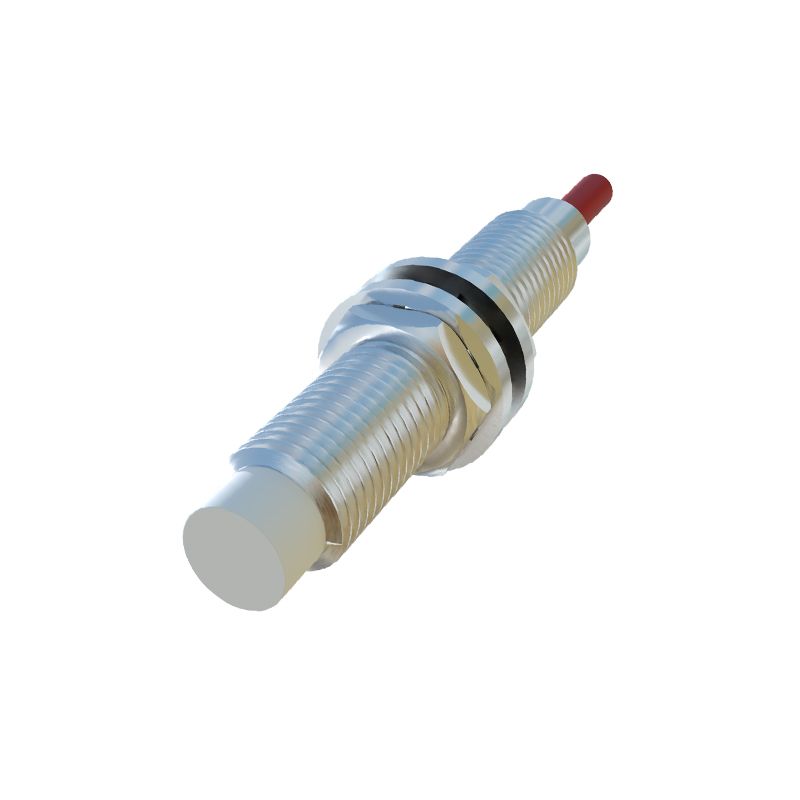
In the rapidly evolving landscape of automotive electronics, the tailgate proximity sensor has emerged as a critical component, enhancing both vehicle functionality and user safety. Often integrated into advanced access and safety systems, these sensors are pivotal in modern vehicle design, particularly in SUVs, hatchbacks, and vans where powered tailgates are common. But what exactly is its primary function, and how does it contribute to the overall driving and ownership experience?
At its core, a tailgate proximity sensor is a type of non-contact sensor designed to detect the presence of an object or person in close vicinity to the vehicle's rear closure panel. It acts as the "eyes" of the automated tailgate system. The most fundamental and crucial role of this sensor is to prevent the power-operated tailgate from closing on an obstacle, be it a person, a pet, or an object like a bicycle rack or low-hanging garage door. Upon detection, the sensor sends an immediate signal to the tailgate's control module, which halts the closing action and often reverses the direction to open slightly, thereby preventing potential injury or damage. This safety function is non-negotiable and is a key part of meeting global automotive safety standards.
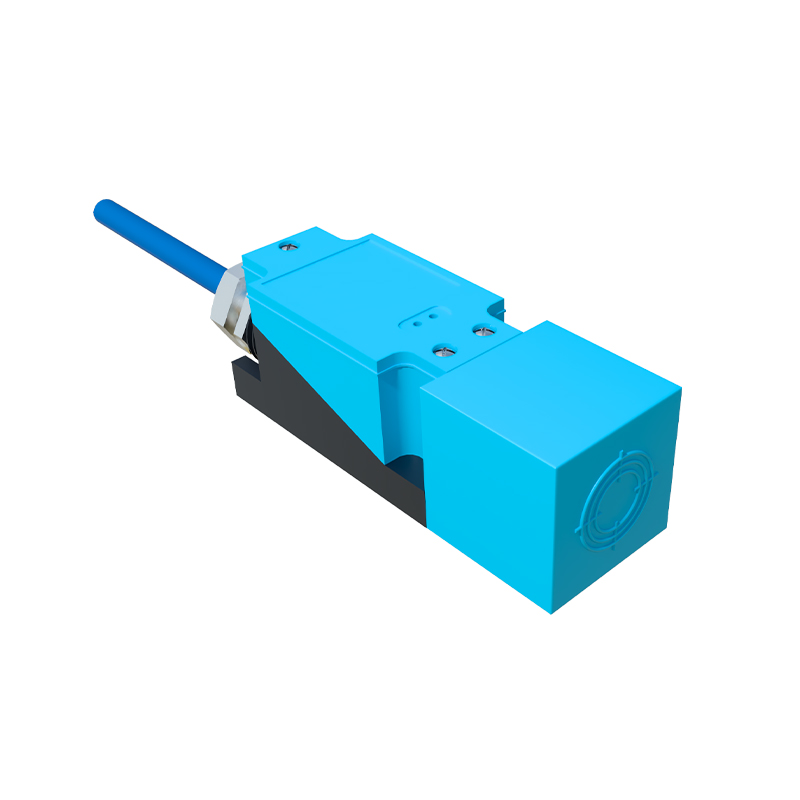
Beyond basic obstacle detection, these sensors enable and enhance several convenient features. One of the most user-appreciated applications is the "hands-free" or "foot-activated" tailgate opening feature. A set of sensors, often located in the rear bumper, detects a specific kicking motion under the vehicle. This allows a user with their hands full, such as carrying groceries, to open the tailgate effortlessly without fumbling for keys or a button. The proximity sensor ensures the command is only executed when the intended motion is detected in the correct zone, preventing accidental activation.
Furthermore, these sensors are integral to the "smart" operation of the tailgate. They work in concert with other systems like the vehicle's keyless entry fob. When the authorized key fob is detected in close proximity to the rear of the vehicle, a light tap on the tailgate handle—equipped with a capacitive or touch sensor—can trigger the opening or closing sequence. The proximity sensor helps define this operational zone, ensuring the feature works reliably only when the user is genuinely intending to operate the tailgate.
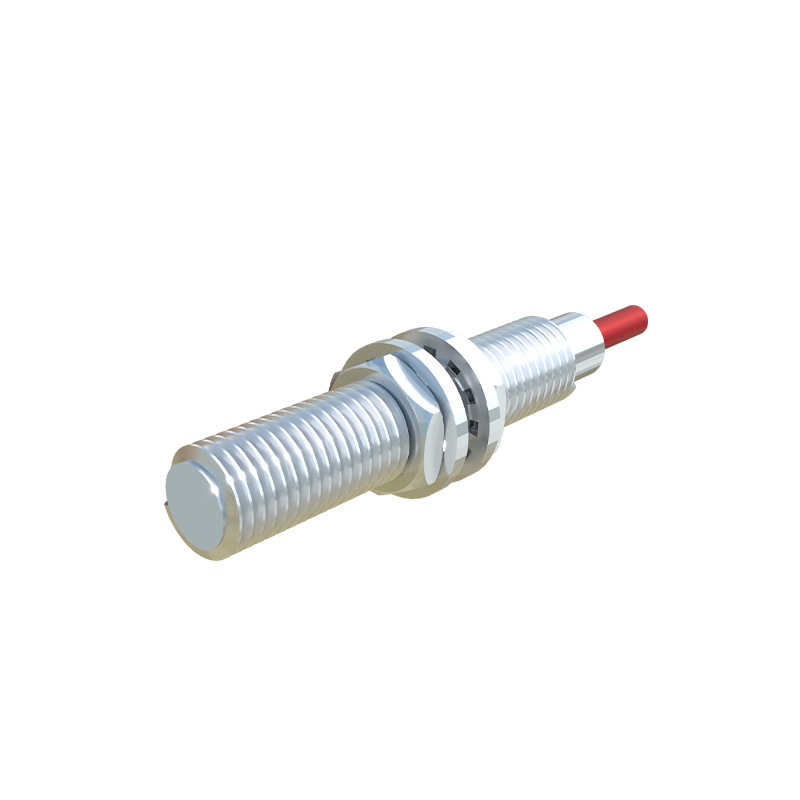
From a technical perspective, tailgate proximity sensors typically utilize one of two primary technologies: capacitive sensing or ultrasonic sensing. Capacitive sensors detect changes in an electrical field caused by the presence of a conductive object (like a human body). They are highly sensitive and excellent for detecting precise gestures, such as the foot-kick motion. Ultrasonic sensors, on the other hand, emit high-frequency sound waves and measure the echo's return time to calculate distance to an object. They are robust and effective for general obstacle detection across a wider area behind the vehicle. Many modern systems employ a fusion of both technologies to maximize reliability and functionality.
The integration of these sensors is a sophisticated process. They are connected to a dedicated body control module (BCM) or a specific tailgate control unit. This ECU processes the sensor data in real-time, applying algorithms to distinguish between a deliberate user command (a kick), a stationary obstacle (a wall), and irrelevant environmental noise (rain or blowing leaves). This processing is vital to prevent nuisance reversals while maintaining instant response to genuine hazards.
In summary, the tailgate proximity sensor is far more than a simple switch. It is a sophisticated safety sentinel and an enabler of modern convenience. Its primary role is unambiguous: to ensure the powered tailgate operates safely by preventing collisions with obstacles. Concurrently, it unlocks intuitive, hands-free access, elevating the user experience. As vehicles continue their march toward greater automation and connectivity, the intelligence and reliability of components like the tailgate proximity sensor will only become more paramount, quietly ensuring that one of the most common interactions with a vehicle is both seamless and secure.