In the demanding landscape of modern industrial automation, the selection of sensing technology is a critical decision that directly impacts operational efficiency, safety, and overall cost of ownership. Among the various specialized sensors, anti-slag proximity sensors have emerged as indispensable components in environments plagued by welding spatter, molten metal droplets, and other conductive debris. This article delves into the key factors that influence the pricing of these robust sensors, providing a comprehensive guide for engineers and procurement specialists navigating this niche market.
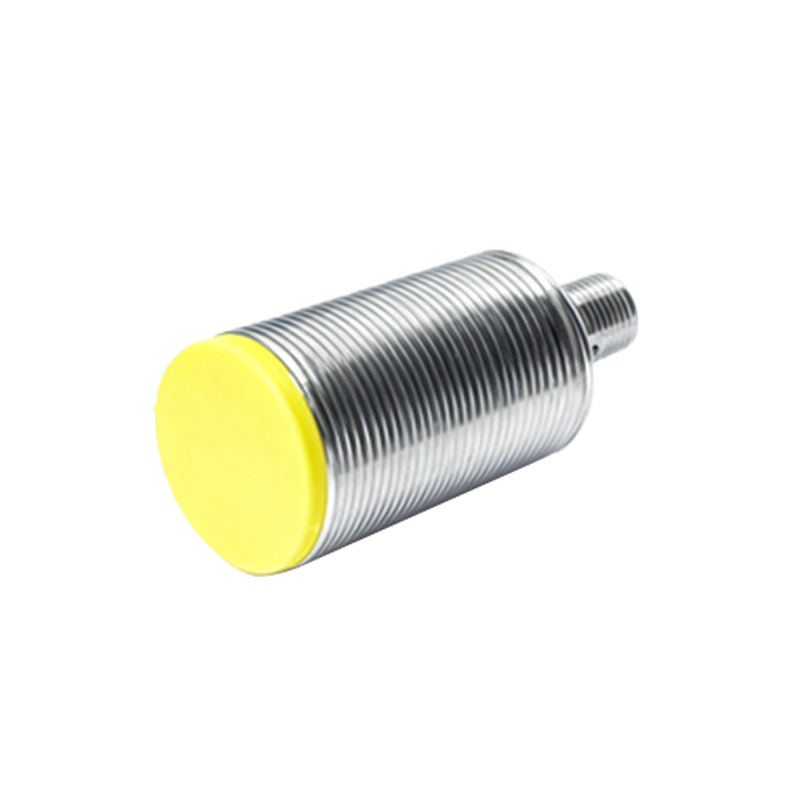
The primary driver of cost for an anti-slag proximity sensor is its construction and material science. Unlike standard inductive or capacitive sensors, these units are engineered to withstand extreme abuse. The sensing face is typically protected by a specialized, high-temperature resistant coating—often a ceramic or a proprietary composite material. This coating must be non-stick to prevent slag adhesion and highly durable to resist abrasion from falling debris. The quality, thickness, and type of this protective layer constitute a significant portion of the manufacturing cost. Higher-grade ceramics and advanced composites command a premium but offer substantially longer service life in continuous welding cells or heavy foundry applications.
Another major pricing factor is the sensor's housing and overall ruggedness. Industrial-grade anti-slag sensors feature heavy-duty metal housings, usually made from stainless steel (e.g., V4A/316L), which provides excellent resistance to corrosion from coolants and industrial atmospheres. The ingress protection rating is crucial; most models are rated IP67, IP68, or IP69K to ensure reliable operation despite exposure to high-pressure washdowns, oils, and coolants. The process of achieving these ratings through precise machining, high-quality seals, and rigorous testing adds to the unit cost. Furthermore, the design often includes a robust mounting thread and a protected cable outlet or connector system to withstand mechanical stress.
The core sensing technology itself influences price. While most anti-slag sensors operate on the inductive principle for detecting ferrous metals, the internal electronics are optimized for stability in electrically noisy environments. Features like weld-field immunity (the ability to ignore strong magnetic fields from welding equipment), constant current output for long cable runs, and short-circuit protection are standard in higher-end models. Advanced diagnostics, such as LED status indicators that can show signal strength or contamination warnings, also add value and cost. The sensing range, though typically short (e.g., 2mm to 15mm for a standard 18mm or 30mm diameter sensor), must be precise and repeatable, requiring calibrated and stable oscillator circuits.
Brand reputation and supply chain considerations play a substantial role in market pricing. Established manufacturers with a proven track record in welding automation—such as Balluff, Turck, Pepperl+Fuchs, or IFM—invest heavily in research, development, and quality control. Their sensors often come with extensive certifications (CE, UL, CUL) and longer warranty periods, justifying a higher price point. Conversely, generic or less-known brands may offer lower initial costs but could pose risks in terms of consistency, longevity, and technical support. The origin of manufacturing and the complexity of the global supply chain for electronic components can cause price fluctuations and affect lead times.
When evaluating a quotation, it is essential to look beyond the unit price per sensor. The total cost of ownership (TCO) is a more accurate metric. A premium sensor with a 50% higher purchase price but double or triple the lifespan in a harsh environment results in lower long-term costs by reducing downtime, maintenance labor, and replacement frequency. Additionally, consider the cost of accessories: mounting brackets, protective shrouds, and high-flex cables rated for continuous movement are often necessary and add to the project budget.
In summary, the报价 of an anti-slag proximity sensor is a reflection of its engineered durability, material quality, technological features, and brand value. For applications in robotic welding, spot welding guns, or near casting lines, specifying the correct sensor is not an area for cost-cutting. Engineers should carefully assess the specific environmental challenges, required performance specifications, and expected lifecycle to make an informed procurement decision that balances upfront investment with long-term reliability and productivity.